- Regional and international leaders call for action after deadly strike on Riyadh airport
- Condemnations mount as attacks threaten Saudi aviation and regional stability
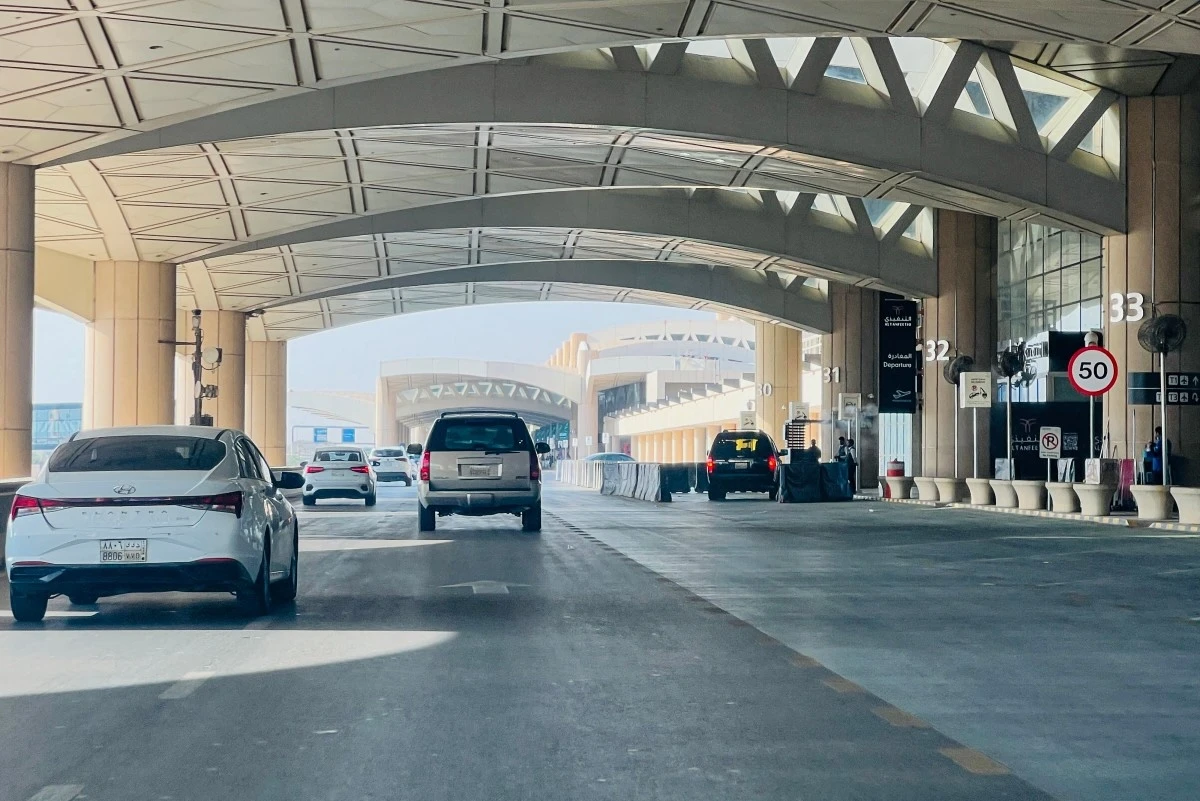
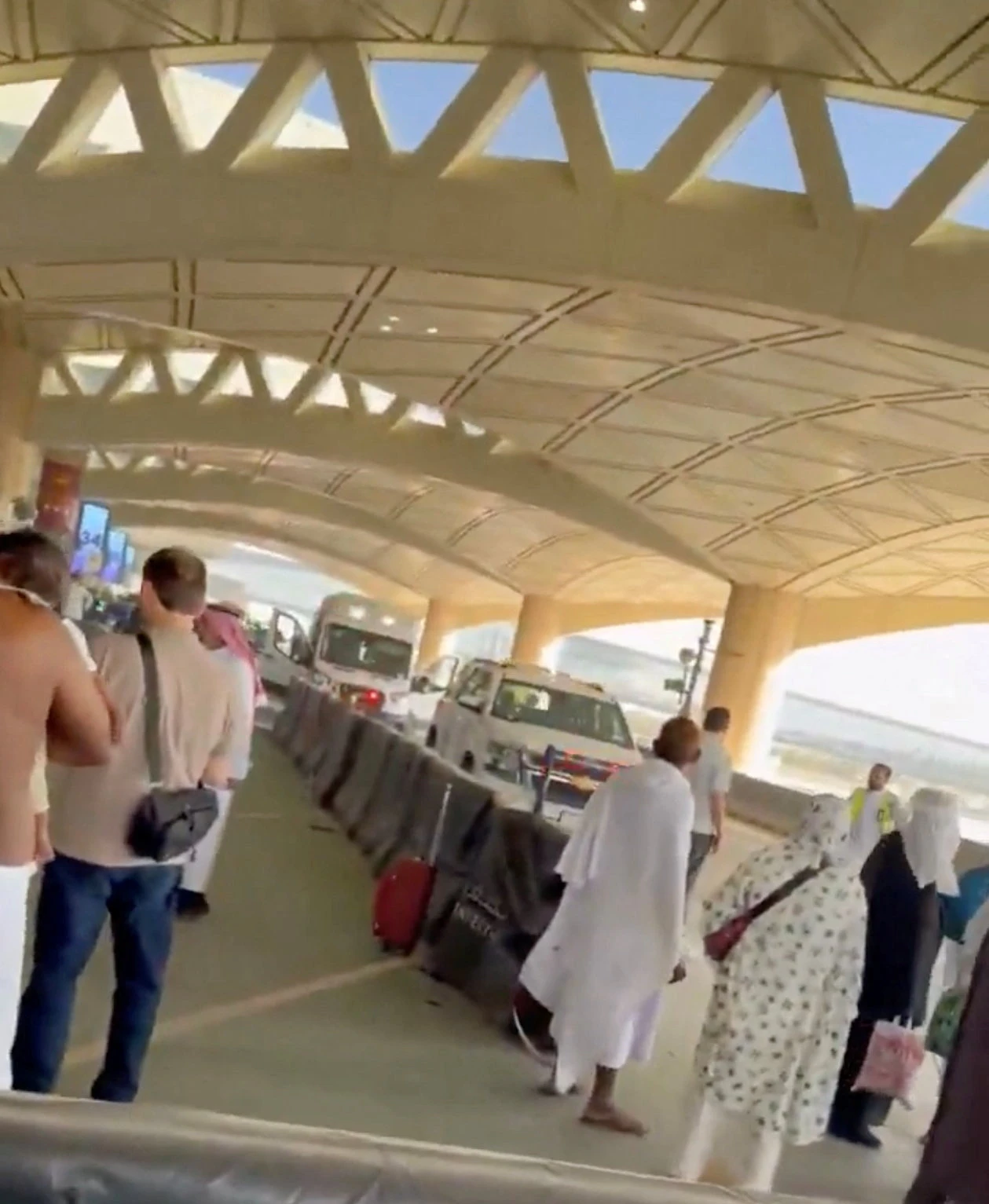
RIYADH: Countries and international organizations have condemned Houthi attacks on Saudi Arabia’s airports, including Saturday’s strike on King Khalid International Airport in Riyadh that killed 12 people and injured 309 others, according to Saudi authorities.
The condemnations, carried by the Saudi Press Agency (SPA), came as the Iran-backed Yemeni militia continued its attacks on the Kingdom’s civilian aviation infrastructure, prompting calls for international action to protect civilians and prevent further escalation.
Saudi Arabia’s General Authority of Civil Aviation said early Sunday that the dead included four Saudi citizens and nationals of Bangladesh, Palestine, the US, Egypt, Jordan, Syria and Sudan. The 309 injured included people in critical condition.
Hours after Saturday’s attack, Maj. Gen. Turki Al-Maliki, spokesman for the Coalition to Support Legitimacy in Yemen, announced that a projectile had fallen near King Fahd International Airport in Dammam. He provided no further details about the incident.
The Dammam development raised further concerns over the threat to Saudi Arabia’s civilian aviation network as the conflict that began with the Iran war on Feb. 28 continued to spill across the region.
Bahrain strongly condemned the latest attack on Riyadh’s airport, describing it as a dangerous escalation following another strike on the same facility two days earlier.
In a statement carried by SPA, Bahrain’s Foreign Ministry said the attacks violated international law, international humanitarian law and the UN Charter. It warned that they threatened regional stability, civil aviation security, and the safety of passengers and flight crews.
The ministry also cited alleged breaches of the Chicago Convention on International Civil Aviation and resolutions of the International Civil Aviation Organization (ICAO).
Bahrain called on the UN Security Council, ICAO and the international community to take firm measures to halt the attacks and hold those responsible, as well as their supporters, accountable. It also urged the full implementation of relevant Security Council resolutions, particularly Resolutions 2216 and 2817.
Qatar condemned the attacks on King Khalid International Airport as a serious violation of Saudi sovereignty and a direct threat to regional security, civilians and aviation safety.
Its Foreign Ministry reaffirmed Doha’s full solidarity with Riyadh and support for measures taken to protect the Kingdom’s sovereignty, security and territorial integrity. It added that Saudi Arabia’s security was integral to Qatar’s own security and that of the Gulf Cooperation Council member states.
Jordan also condemned the strike as a blatant violation of Saudi sovereignty and a dangerous escalation threatening the Kingdom’s security and stability.
The Jordanian Foreign Ministry reiterated its rejection of attacks on civilians, civilian objects and economic facilities in Saudi Arabia, expressing full solidarity with the Kingdom and support for measures to safeguard its security and national assets.
The Palestinian Ministry of Foreign Affairs and Expatriates similarly condemned the attacks, affirming the State of Palestine’s solidarity with Saudi Arabia and extending condolences over the deaths.
Cyprus condemned the attacks on King Khalid International Airport and Abha International Airport, saying they targeted civilians and critical infrastructure. It expressed solidarity with the Kingdom and condolences to the victims’ families.
Egypt also condemned the attacks on Riyadh’s airport and a Saudia aircraft, describing them as a flagrant violation of international law. Its Foreign Ministry expressed solidarity with Saudi Arabia and offered condolences over the deaths of three Saudi citizens in the attacks it addressed.
Oman conveyed its condemnation during a telephone call between Foreign Minister Sayyid Badr bin Hamad Al Busaidi and Saudi Foreign Minister Prince Faisal bin Farhan bin Abdullah. The Omani minister rejected attacks on civilian facilities and threats to Saudi security, while the two ministers discussed regional developments and the need for diplomatic solutions to de-escalate tensions.
The Independent Permanent Human Rights Commission of the Organization of Islamic Cooperation (OIC) strongly condemned Houthi attacks on Abha International Airport, King Khalid International Airport and a civilian aircraft.
The commission said those attacks had resulted in six deaths, including three Saudi citizens and three residents, and at least 36 injuries. It described the incidents as flagrant violations of international human rights law and international humanitarian law, urging the UN and international and regional bodies to condemn the attacks and take urgent action to prevent their recurrence.
The Council of Arab Interior Ministers’ General Secretariat also denounced Saturday’s attack, describing repeated Houthi strikes on aviation facilities and civilians as violations of international law that threatened regional security and stability.
Somalia condemned the attacks on the airports in Abha and Riyadh as grave violations of international law and threats to Saudi sovereignty and regional security. Uruguay likewise expressed solidarity with the Kingdom while voicing concern over threats to commercial shipping in the Red Sea and Bab Al-Mandab Strait.
Uruguay stressed the importance of protecting vessels and their crews, safeguarding freedom of navigation and upholding the UN Convention on the Law of the Sea. It also reiterated support for UN efforts to secure a comprehensive political solution to the conflict in Yemen.
The latest attacks have intensified concerns about the safety of civil aviation in Saudi Arabia. GACA said operations at King Khalid International Airport were temporarily suspended after Saturday’s strike while authorities assessed the damage.
At least 291 flights at the Riyadh airport were canceled over the preceding 24 hours, according to flight-tracking website FlightAware. Several international airlines had already suspended flights to and from Riyadh and other Saudi airports for varying periods.
The European Union Aviation Safety Agency had expanded its guidance on Saudi airspace, warning of the Houthis’ ability to strike deeper inside the Kingdom and a growing focus on aviation infrastructure. It said missile and drone attacks, along with interception efforts, increased the risk of civil aircraft being misidentified.
Saudi Arabia has repeatedly warned against the use of Yemeni territory as a launchpad for attacks on the Kingdom and threats to regional security.