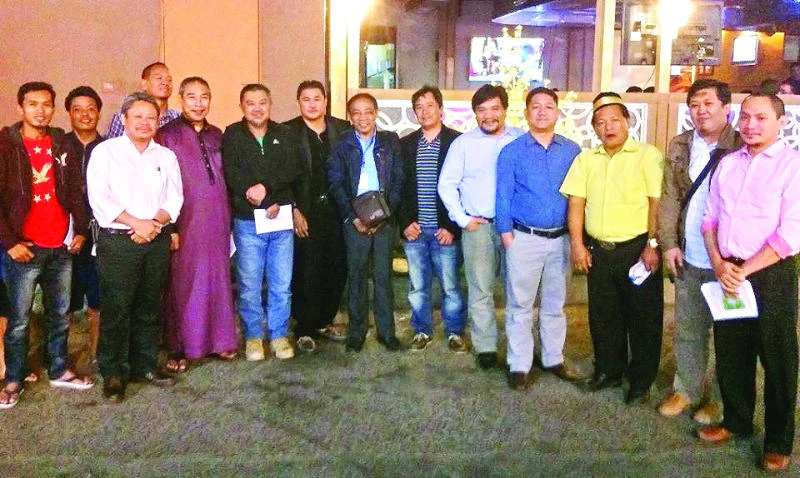
RIYADH: The United Bangsaranao Council (UBC) hailed the Organization of the Islamic Cooperation (OIC) for its concern for peace and environmental issues in the Southern Philippines affecting Lake Lanao, as well as the advocacy efforts of the Alliance of Regional Coalitions Against people's Poverty (ARCPP) for Lake Lanao and the Environmental Hazards program.
UBC, a coalition of 45 Maranao organizations based in the Western region under the leadership of Soler Garlan, made these comments following the ministerial meeting of the OIC-GPH-MNLF tripartitie review process recently held in Jeddah.
At the meeting, the ARCAPP director briefed the OIC officials on the environmental pollution of Lake Lanao and pressed for safeguards against pollution, floods and the contamination of the Lake waters caused by the discharge of effluents from six hydroelectric power plants located nearby.
In his letter, a copy of which was sent to Arab News, the Maranaos are requesting a reasonable share of the power generation revenues of the hydroelectric power plants, in line with international compensation norms.
“The Maranao people hope for a reasonable share of the wealth of Lake Lanao. Beyond this, the preservation and protection of the Lake will perpetuate their identity as a nation,” Attorney Bayan G. Balt told Arab News on the phone from Jeddah.
According to him, in 2007 the OIC sent its special envoy to the Lake Lanao to investigate the reported environmental hazards affecting the lake and the people living in its surroundings.
He said that the OIC Secretary General, Iyad Amen Madani, is greatly concerned about peace in the Southern Philippines and the environmental conditions affecting their lives which has been one of the top priorities of the Islamic body.
Referring to the issue, Balt said that the century-old-problem in Muslim Mindanao has gone far enough, intensified by the continuing environmental degradation affecting the Maranao people, an important segment of the Bangsamoro society.
He further said that in 1952 the Philippine government started building the present six hydroelectric power plants, fed by the water resources of Lake Lanao. They were completed and fully operational by 1992, producing 782 MW with an installed capacity of 1,230 MW of electricity.
The plants supply 60 to 70 percent of the power requirements of 30 million inhabitants residing in the island of Mindanao.
OFWs hail OIC’s concern for peace, environment issues