- Kingdom urges full implementation of next phase of ceasefire and recovery plan while warning of mounting humanitarian pressures as winter approaches
ALKHOBAR: Saudi Arabia has called for accelerated recovery efforts in Gaza and unrestricted humanitarian access ahead of winter, while urging the full implementation of the next phase of the ceasefire and reconstruction plan.
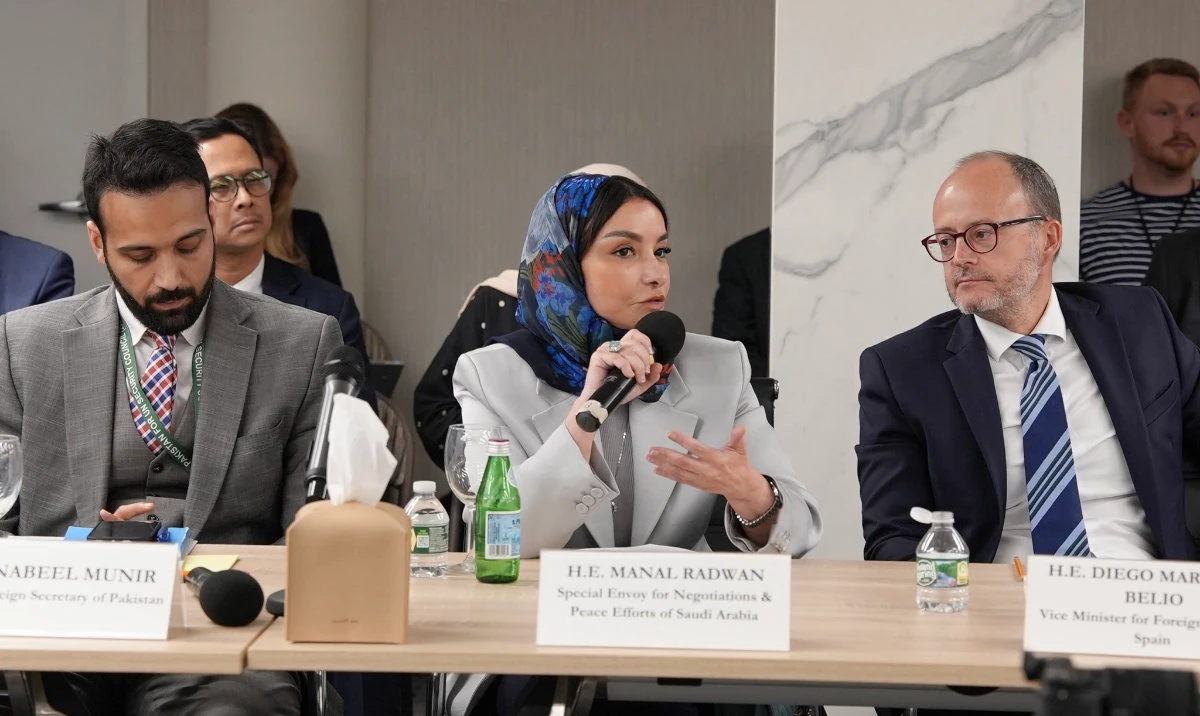
Dr. Manal Radwan, adviser and special envoy to the foreign minister for negotiations and peace efforts, represented the Kingdom at a high-level roundtable in New York City on Wednesday focused on consolidating peace and advancing Gaza’s early recovery. The event was held on the sidelines of the UN General Assembly.
Titled “From Sharm El-Sheikh to Phase II: Consolidating Peace and Early Recovery,” the meeting was hosted by Egypt and co-chaired by France, Germany and the European Commission. Regional and international partners, UN organizations and representatives of the Board of Peace also took part.
Addressing the gathering, Radwan called on all parties to uphold the outcomes of the Sharm El-Sheikh Summit, complete the first phase of the ceasefire and continue implementing phase two of US President Donald Trump’s Comprehensive Plan, as well as UN Security Council Resolution 2803, while ensuring Palestinian ownership of the process.
The Security Council adopted Resolution 2803 in November 2025, endorsing the US-backed Comprehensive Plan to End the Gaza Conflict and calling for its full implementation. The resolution also welcomed the establishment of the Board of Peace as a transitional administration and authorized a temporary International Stabilization Force in Gaza.
Launched in January, phase two of the plan included the creation of a transitional technocratic Palestinian administration and the National Committee for the Administration of Gaza. At the time, the UN secretary-general said recovery and reconstruction efforts should support the emergence of a credible political horizon.
Radwan praised Egypt’s efforts to secure a cessation of hostilities and support humanitarian relief, early recovery and reconstruction initiatives in Gaza.
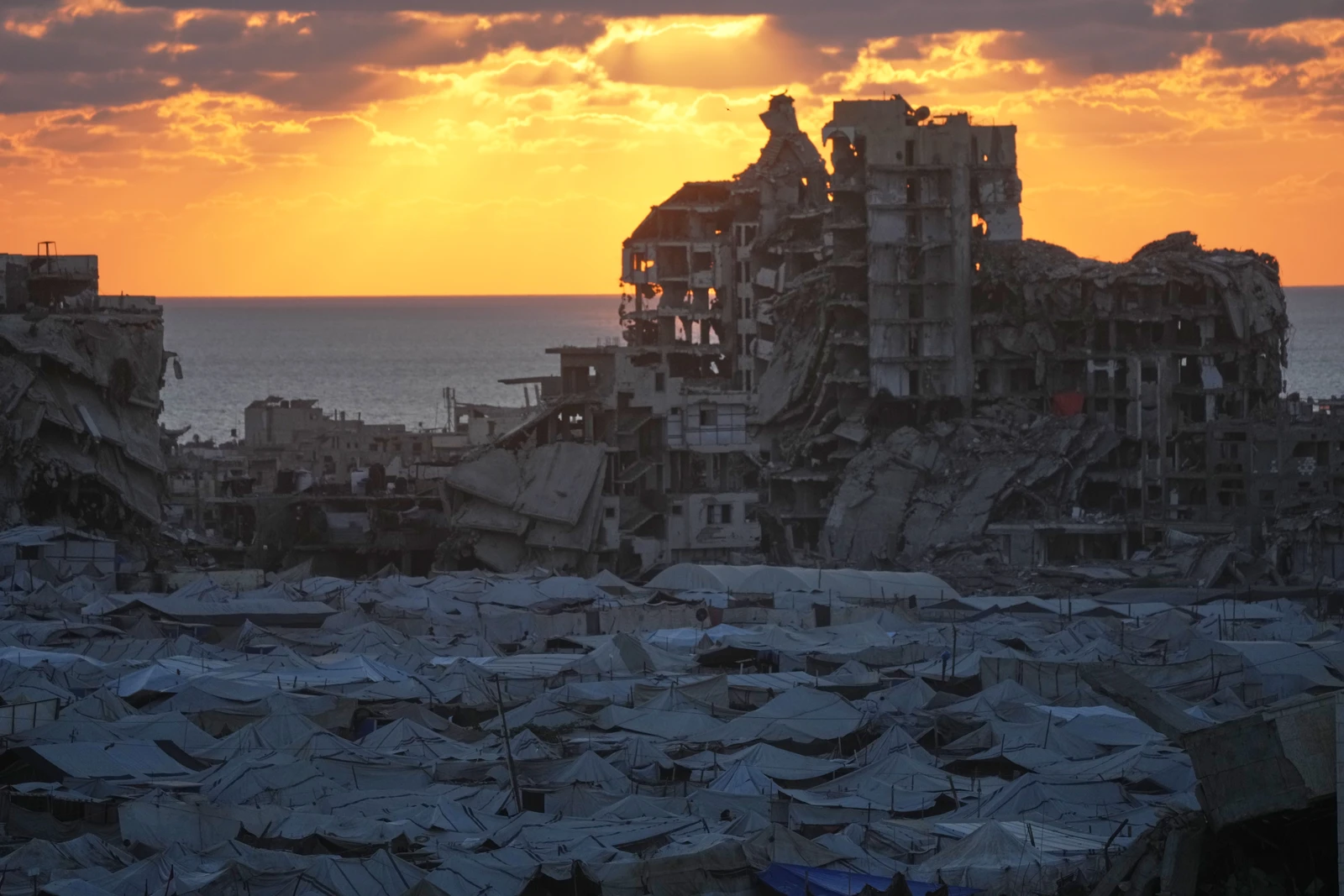
She also expressed concern over deteriorating humanitarian conditions as winter approaches, stressing that aid must be allowed into Gaza without obstacles or preconditions.
According to the Saudi Press Agency, Radwan rejected the politicization of humanitarian assistance or its use as a tool of pressure or a means of displacing Palestinians.
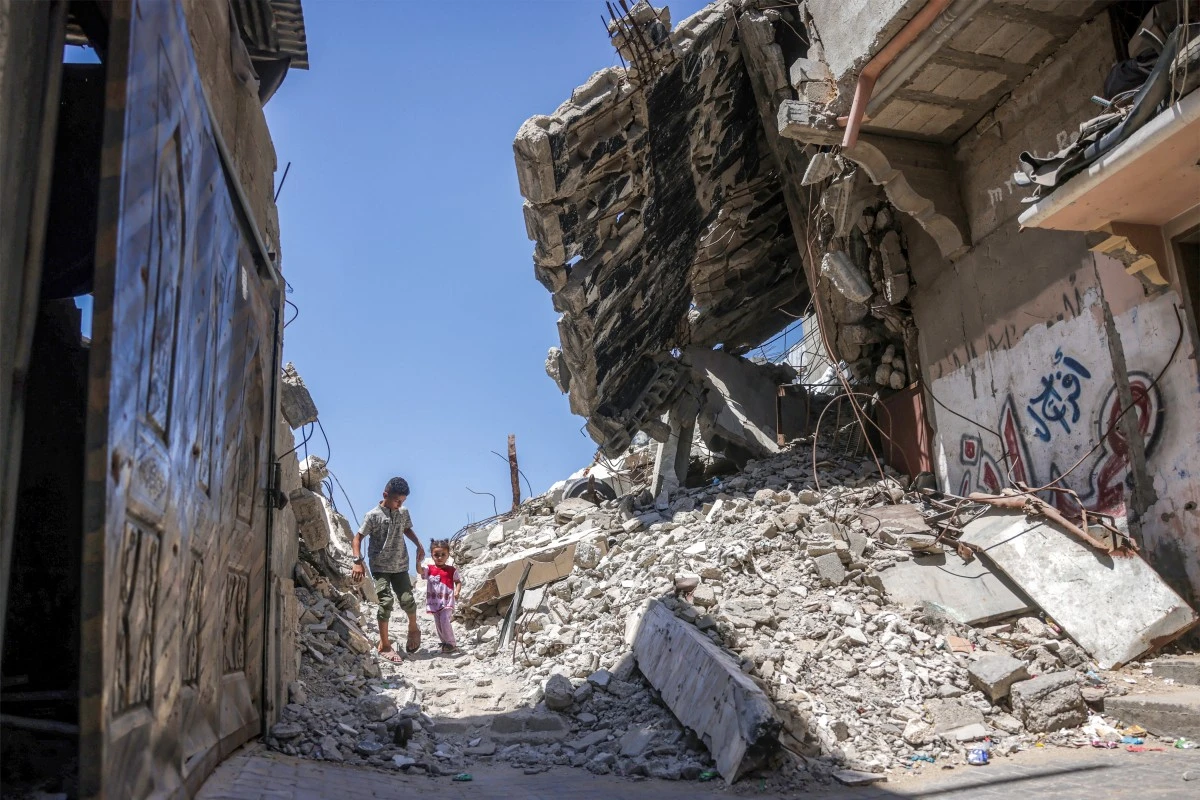
Her remarks come as humanitarian organizations continue to warn of worsening conditions in the enclave. During an August meeting of the UN Security Council, speakers described Gaza’s humanitarian situation as reaching an “absolute breaking point” ahead of winter, with about 2 million people still trapped in the territory.
Saudi Arabia has continued its humanitarian support for Gaza through the King Salman Humanitarian Aid and Relief Center, or KSrelief.
Radwan said KSrelief has implemented about 160 projects in Palestine worth almost $500 million. She added that the Kingdom has provided $120 million in direct support to the Palestinian government, alongside its continued backing of the UN Relief and Works Agency for Palestine Refugees.
Recent Saudi assistance includes an emergency water project launched by KSrelief in Gaza in August. The initiative is designed to deliver about 500,000 liters of safe drinking water daily to displacement camps through water tankers, benefiting almost 100,000 people. KSrelief had previously established four desalination plants in Khan Younis and Deir Al-Balah.
Concluding her remarks, Radwan highlighted Saudi Arabia’s commitment to working with international partners to accelerate Gaza’s recovery, preserve the unity of Palestinian territory and strengthen the institutions of the Palestinian Authority.
She said those efforts should help create the conditions for a just and lasting peace.