- Global-first initiative combining a 250-megawatt solar facility with wildlife rewilding
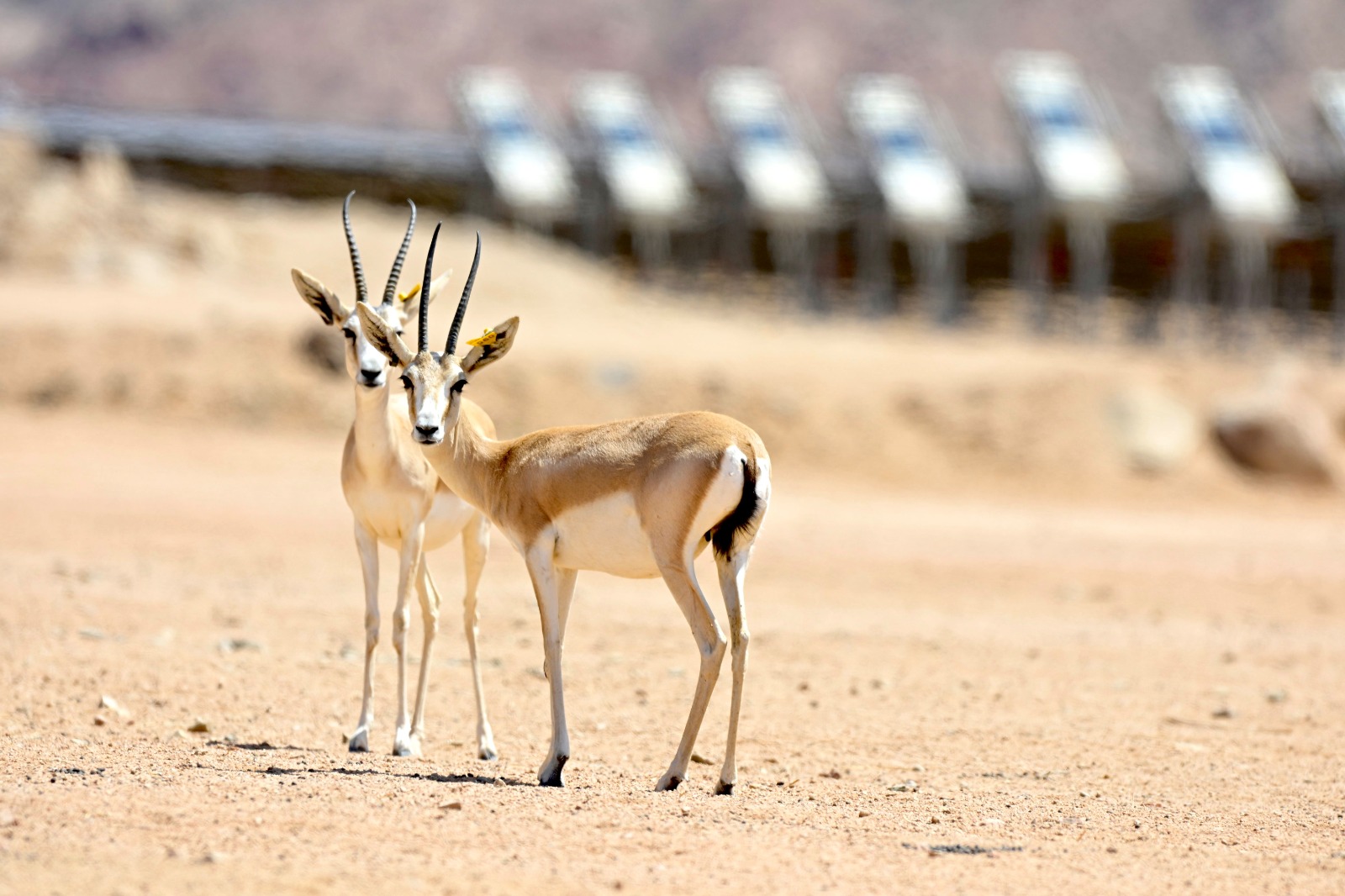
- 38 sand gazelles introduced into solar park as part of Prince Mohammed bin Salman Royal Reserve breeding program
- Herd projected to reach about 600 animals by 2031
- Model aims to demonstrate how renewable energy, biodiversity conservation can advance together
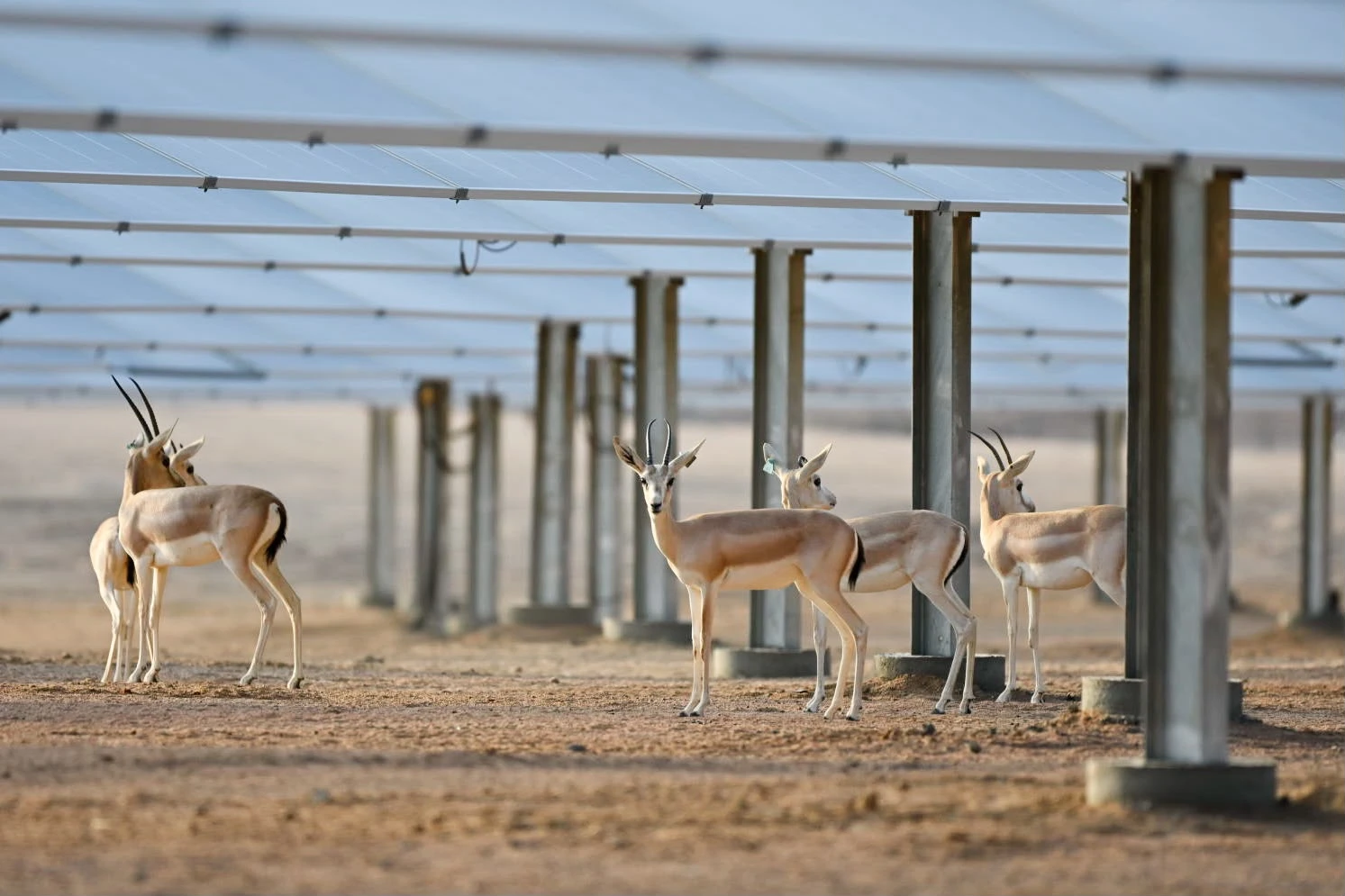
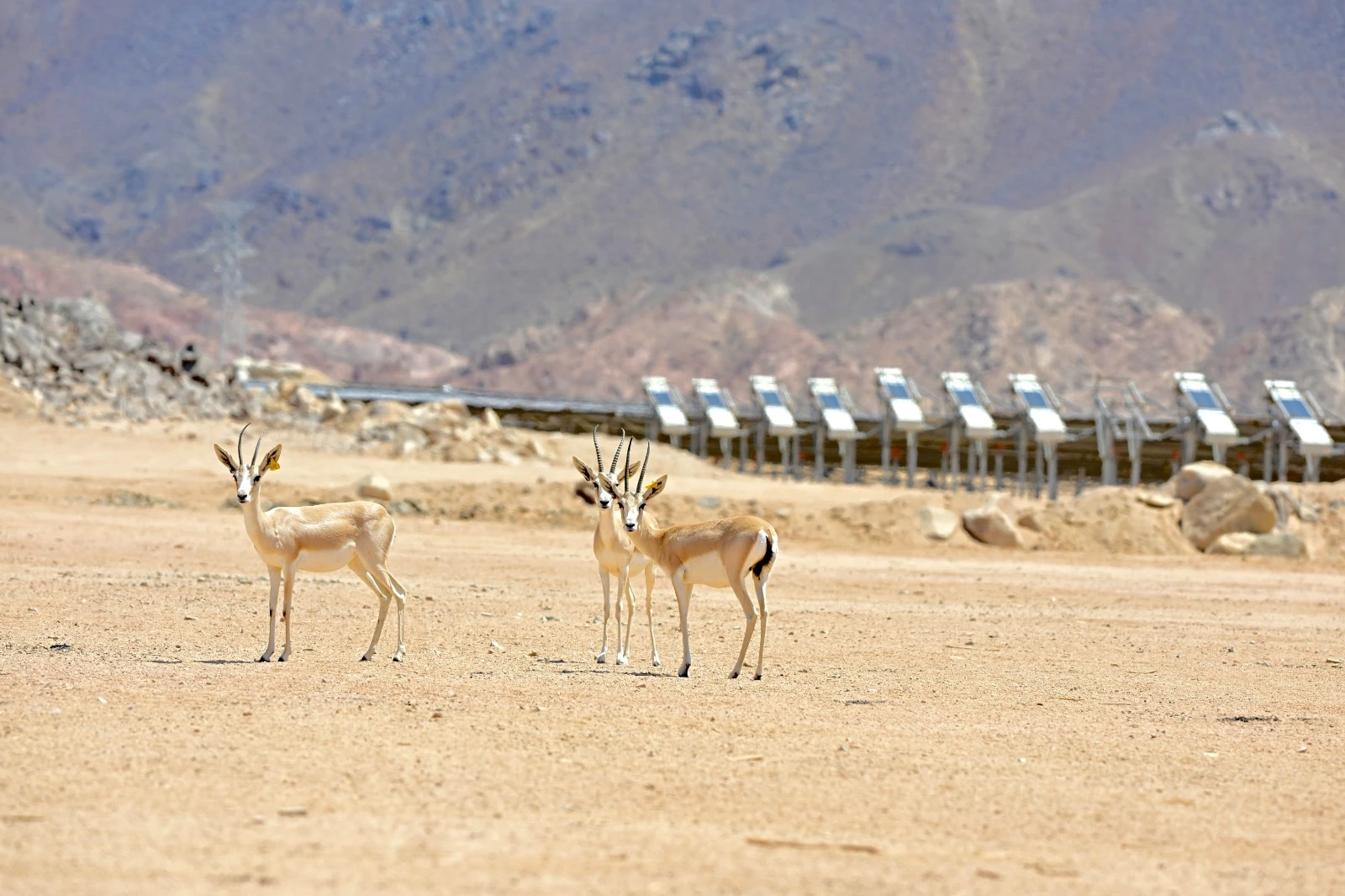
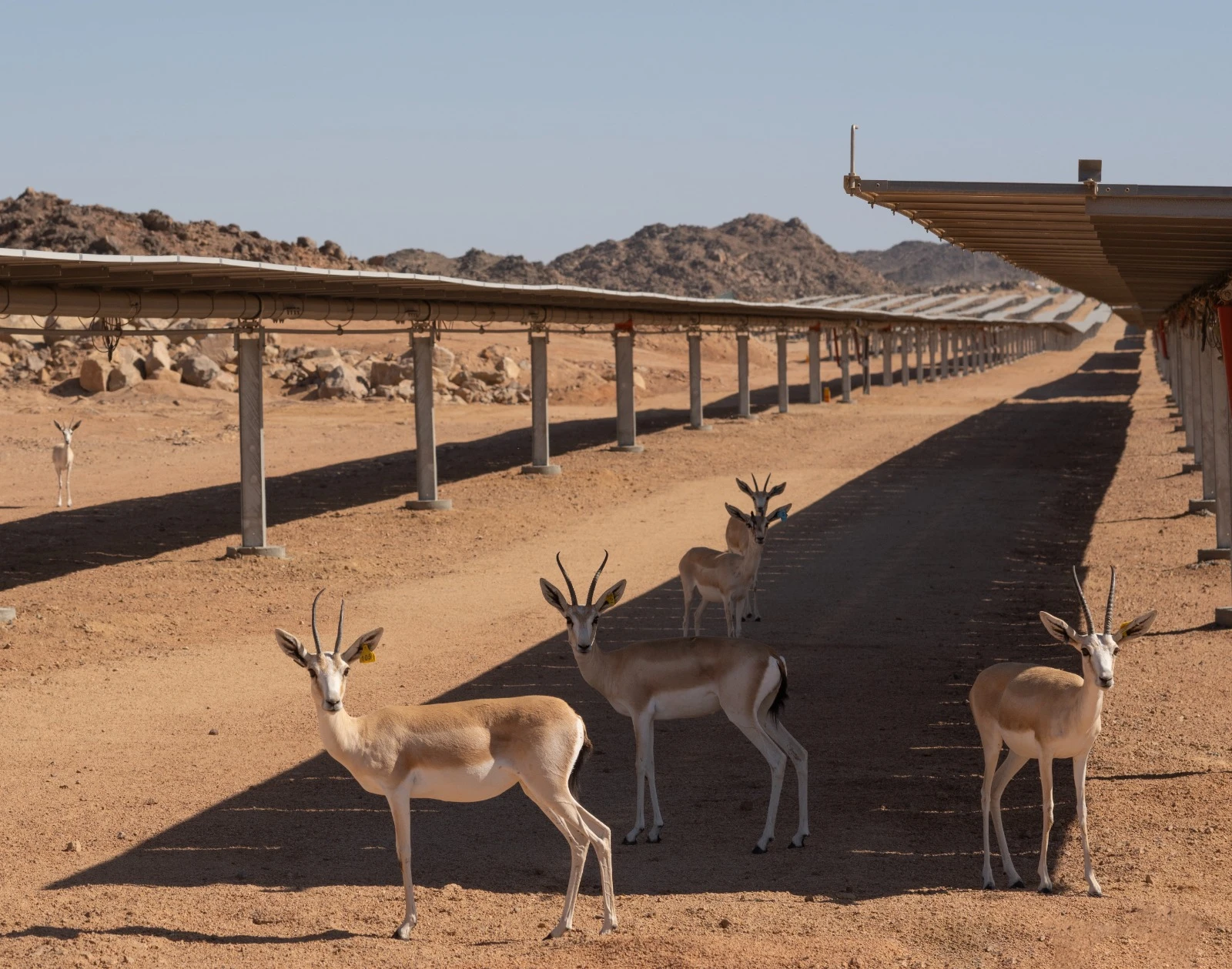
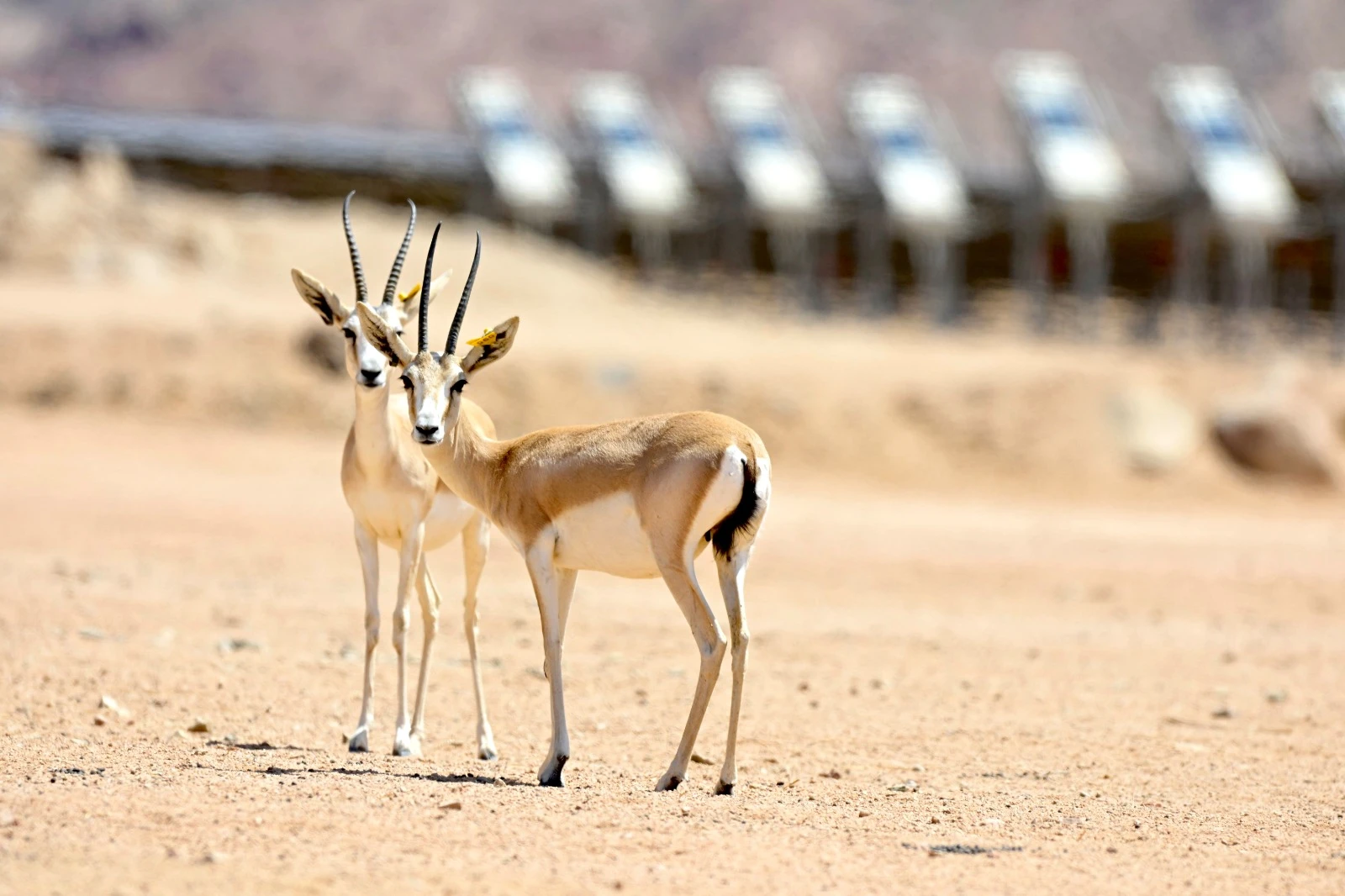
JEDDAH: Some 38 threatened sand gazelles have been introduced into an operational solar park in Saudi Arabia to establish a breeding herd for future release into the wild, in what the Prince Mohammed bin Salman Royal Reserve says is a global conservation first.
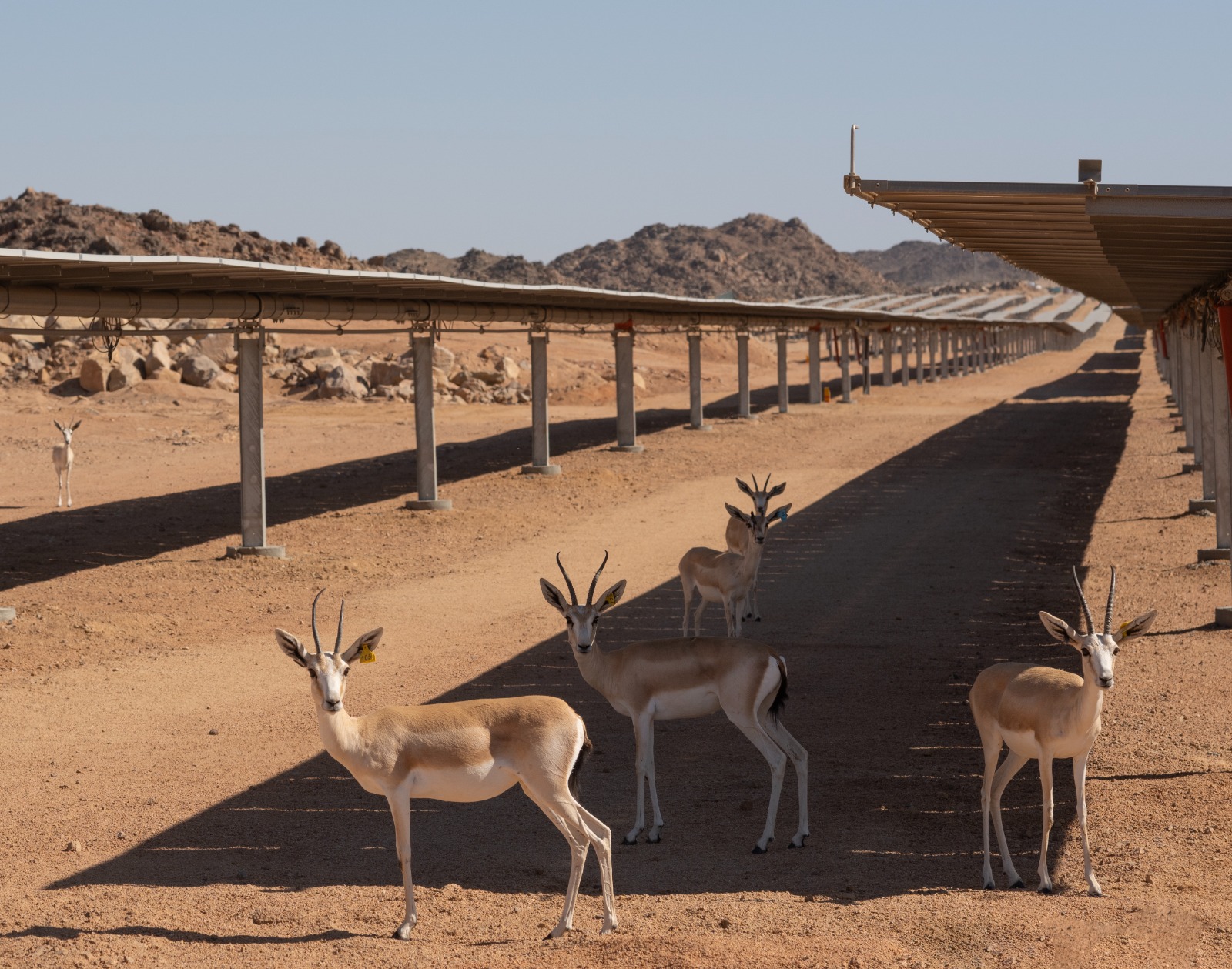
The initiative uses protected space beneath and around solar panels to support wildlife breeding while generating renewable electricity. The first offspring are expected in December, with the herd projected to reach around 600 animals by 2031.
Known as rewilding voltaics, the program operates at a 505-hectare solar park built and managed by Amaala Sustainable Company for Energy, a joint venture involving EDF Group, Masdar, SUEZ, and Korea East-West Power.
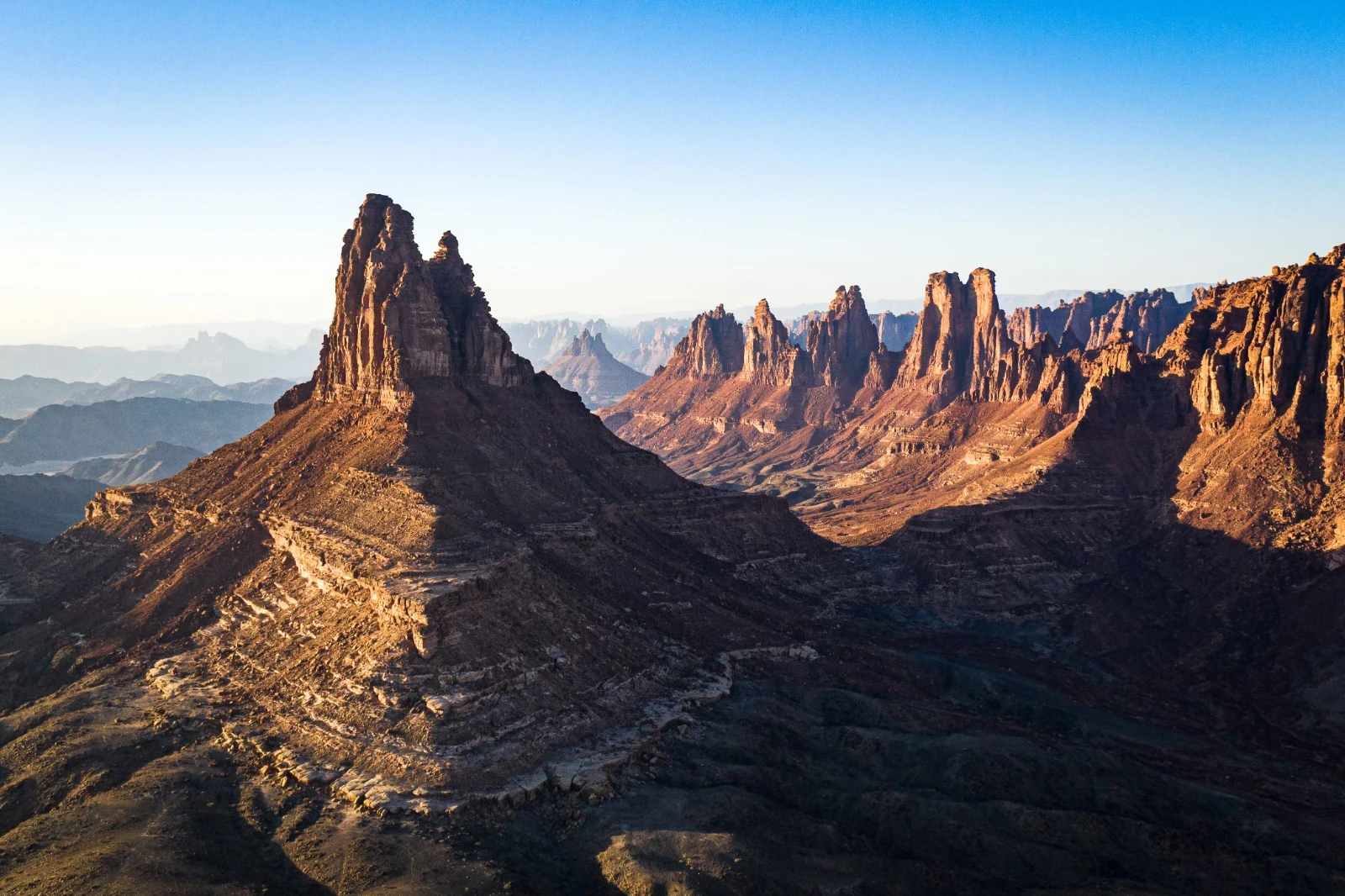
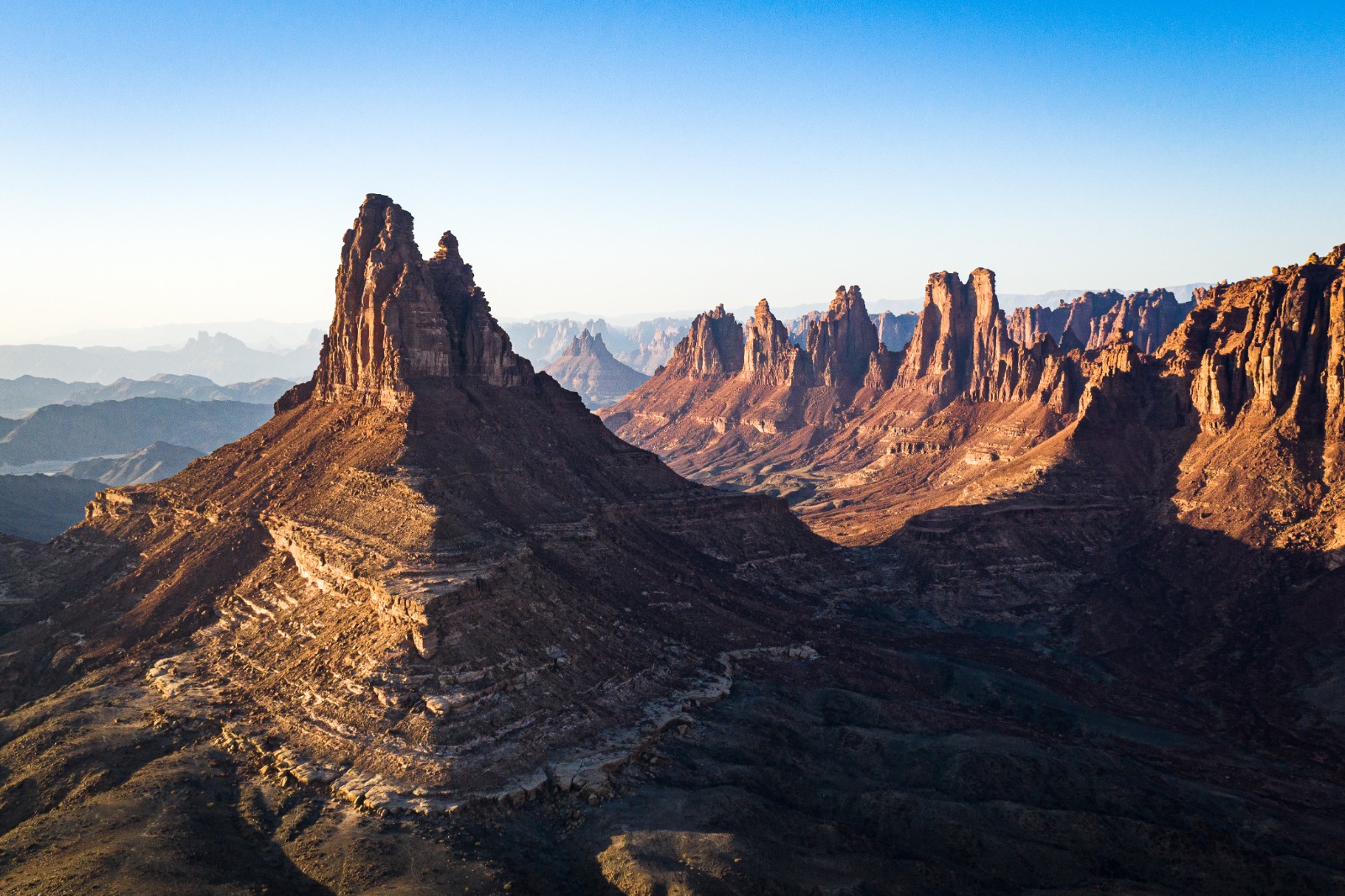
The 250-megawatt facility supplies renewable electricity to Red Sea Global’s AMAALA destination while providing space to breed gazelles for reintroduction into the reserve’s 24,500 sq. km.
Andrew Zaloumis, CEO of the Prince Mohammed bin Salman Royal Reserve, told Arab News that the initiative builds on efforts to combine solar energy production with ecological benefits.
“Globally, the solar industry has been innovating for over 15 years to generate positive ecological outcomes, pairing solar with agriculture through agrivoltaics, ecosystem services through ecovoltaics and biodiversity conservation through conservoltaics,” he said.
“We have found no published information or research on the husbandry of wild animals in solar installations. The reserve has prepared a short academic paper detailing the research done and the methodology behind rewilding voltaics.”
The breeding phase began in May with the introduction of 33 female and five male sand gazelles, a species classified as vulnerable.
It followed a seven-month trial launched in October 2025 involving sand gazelles, mountain gazelles and Arabian hares. According to the reserve, the trial confirmed that the site could support wildlife husbandry.
The park’s predator-proof perimeter provides a controlled environment, while shade from the solar panels reduces ground temperatures by about 5 C to 10 C.
Around 73 percent of the site is suitable habitat for captive breeding, including shaded areas beneath the panels and open terrain featuring natural elements such as rocky outcrops.
Unlike conventional breeding facilities, where enclosure sizes can restrict herd movement, the solar park provides extensive fenced space in which gazelles can display natural behaviors such as courtship, mating and giving birth.
“Herd-level husbandry offers potential gains in production and genetic health, and more robust, adaptable animals,” Zaloumis said.
The initiative has increased the reserve’s husbandry capacity 15-fold, allowing its specialist ranger team to monitor animal behavior, health and reproductive success.
Sand gazelles were selected for their ecological importance and suitability for the site. Their size allows them to move beneath the panels without affecting infrastructure, while their grazing and browsing help manage vegetation and disperse seeds.
Population modeling by the reserve’s Scientific Services Division indicates that the herd could reach about 600 animals by 2031, subject to effective genetic management. The reserve estimates that a founder population of at least 500 animals would be needed for successful reintroduction across the wider landscape.
To reduce inbreeding, males will be screened and rotated, while animals from outside the herd will be introduced when necessary to maintain genetic diversity.
Zaloumis said the challenges facing wildlife restoration extended beyond breeding more animals.
“The main barriers are scale, husbandry capacity, genetic management and habitat restoration,” he said.
Saudi Arabia aims to protect 30 percent of its land and sea areas by 2030. According to the reserve, the Kingdom’s terrestrial conservation footprint has expanded from 4.2 percent to 18.3 percent over the past decade, alongside the establishment of eight royal reserves.
Restoring wildlife across these landscapes requires large founder herds. For sand gazelles alone, thousands of animals are needed across the Kingdom, placing growing pressure on conventional breeding facilities.
“Rewilding voltaics creates additional herd-level husbandry space using land and infrastructure that already exist,” Zaloumis said.
The initiative aligns with the Kunming-Montreal Global Biodiversity Framework by using renewable energy infrastructure to establish populations for release into restored habitats.
Asked how the reserve would measure its contribution to Saudi Arabia’s biodiversity goals beyond gazelle numbers, Zaloumis pointed to the model’s adoption elsewhere.
“We will measure it through uptake: the extent to which the model is replicated across the Kingdom, and the wider Arabian Peninsula, supporting rewilding programs and creating new husbandry capacity on land already in use,” he said.
“Successful rewilding is not just about population numbers; it is about ecosystem functionality.”
He said sand gazelles supported desert biodiversity through seed dispersal, vegetation regeneration and nutrient cycling. Their grazing helps prevent individual plant species from dominating, while their role as prey contributes to restoring natural food chains.
“By scaling up effective gazelle breeding, rewilding voltaics offers the opportunity to accelerate vegetation recovery, restore ecosystem functionality, and increase species diversity at a landscape level,” he added.
The reserve will continue monitoring wildlife and ecosystems to assess the program’s success, with findings intended to inform similar initiatives in regions where renewable energy infrastructure and wildlife restoration efforts operate side by side.