- Children accounted for half of civilian landmine casualties in 2025 for the second straight year
- Syria saw a significant increase in casualties due to returning refugees, with over 1,600 killed or injured
LONDON: Children accounted for half of civilian casualties from landmines and unexploded ordnance whose ages were recorded in 2025, the second consecutive year they made up that share, according to the Landmine Monitor 2026.
Nearly 7,000 people were killed or injured worldwide, the highest annual toll since 2020. Civilians accounted for 84 percent of recorded casualties, according to the report which was released on Tuesday.
Children are particularly vulnerable while playing outdoors or accompanying relatives working in fields or tending livestock, the report says. Explosives left behind by conflict also endanger families returning home.
“No child should have to grow up fearing that the ground beneath their feet could kill or maim them,” said Maj. Gen. James Cowan, CEO of the HALO Trust, a humanitarian mine-clearance organization.
“Behind every statistic is a person whose life has been changed forever. It is particularly distressing that children account for half of civilian casualties.”
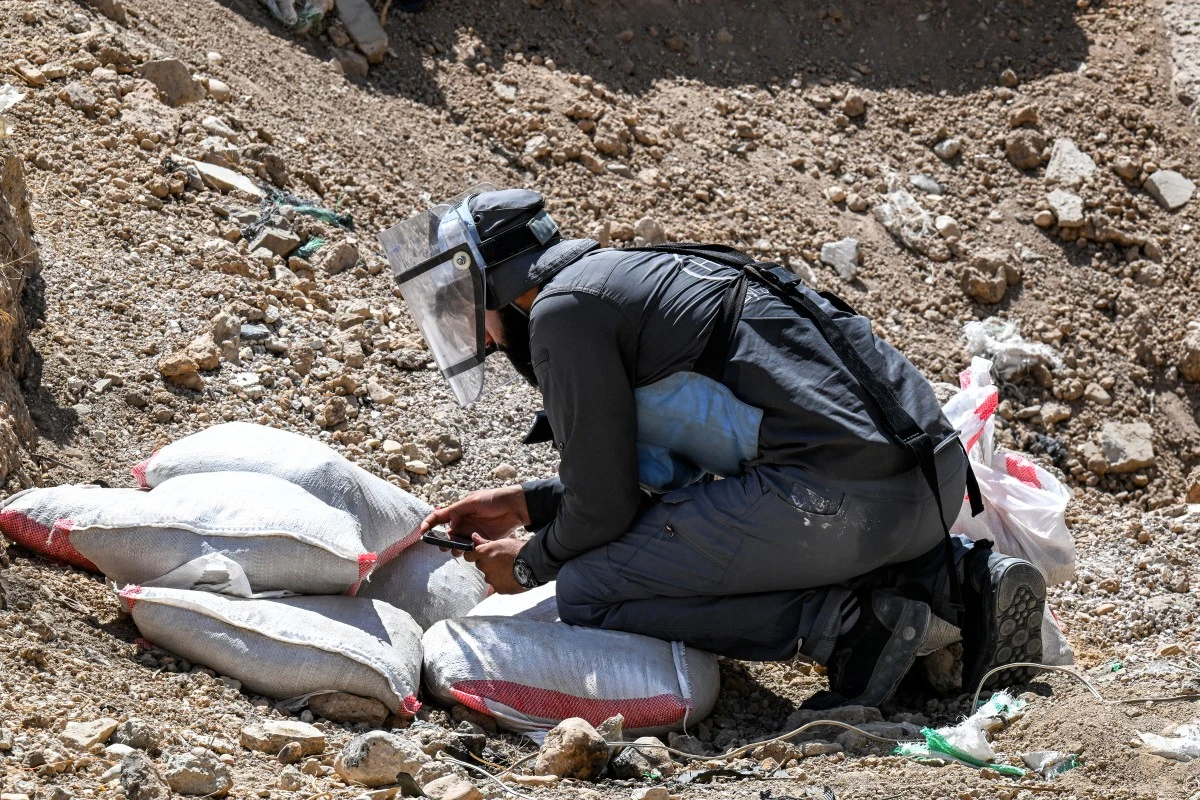
In Syria, refugees returning after the collapse of longtime President Bashar Assad’s government in late 2024 have helped drive a sharp rise in casualties, the report found. More than 1,600 people were killed or injured in Syria in 2025, an increase of more than 50 percent from the previous year.
The HALO Trust, which clears landmines and unexploded ordnance there, said the latest figures show that a civilian is killed or injured every six hours. Myanmar recorded the highest toll for the third consecutive year, with 1,891 people killed or injured, according to the report.
Globally, victim-activated improvised mines caused more casualties than any other type of device, killing or injuring 1,530 people last year. These mines detonate when a person or vehicle applies pressure or disturbs a tripwire.
At least 65 countries and other areas were suspected or confirmed to be contaminated by anti-personnel or improvised mines, leaving communities exposed to dangers that can persist long after fighting ends.
For survivors, the consequences can last a lifetime. Permanent disabilities and psychological trauma can require years of rehabilitation, while access to health care, prosthetics, wheelchairs and employment remains limited in many affected countries.
Cowan urged sustained international investment in mine clearance, education about explosive hazards and support for survivors.
“We cannot allow funding cuts or declining international attention to leave communities living in fear,” he said. “We must redouble our efforts to clear contaminated land and help people rebuild their lives, economies and children’s futures.”