- Ozaki stated that Japan deems Russia's extradition demands unjust and unacceptable
- Japan aims to balance its support for the ICC with its strong alliance with the US
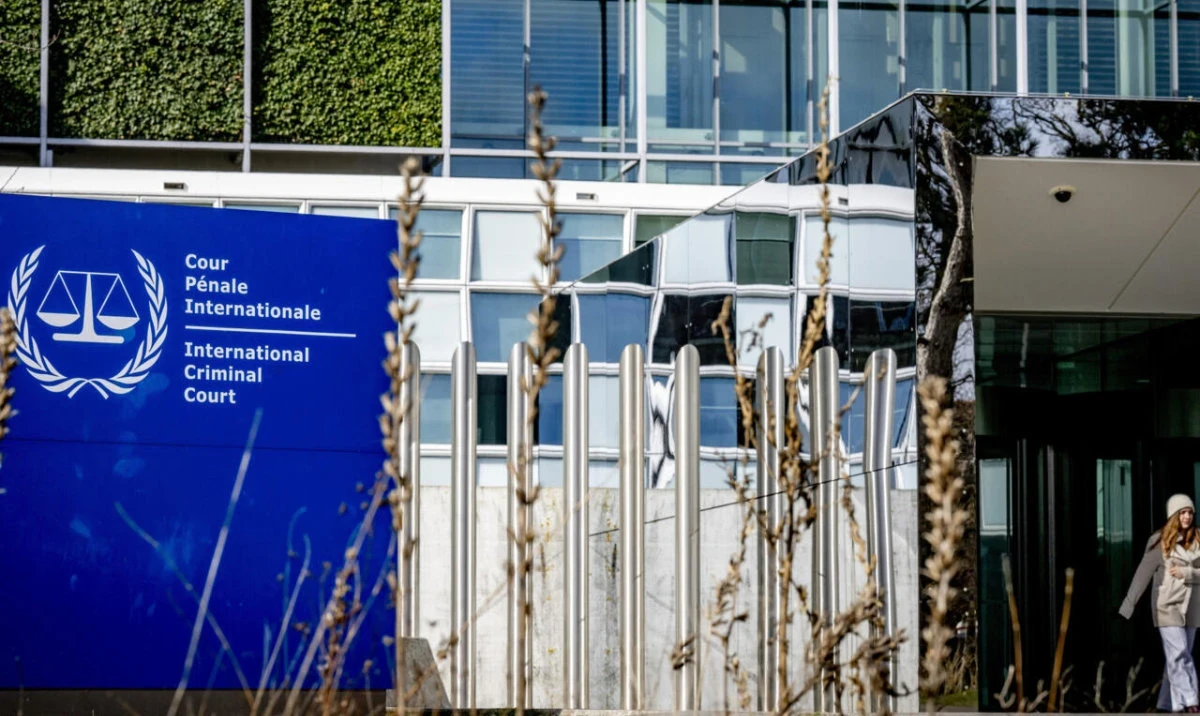
TOKYO: Japan on Friday slammed Russia’s request that the Netherlands extradite the president of the International Criminal Court, a Japanese national, and eight other officials of the court based in the European country.
The extradition requests came after Moscow issued warrants for the nine in response to the ICC’s 2023 arrest warrant for Russian President Vladimir Putin over the war in Ukraine. The Moscow City Court last year sentenced the nine in absentia to prison terms.
A high-ranking Japanese official said Friday that Tokyo protested the requests in communication with Moscow.
“Measures targeting individuals connected to the ICC are unjust and unacceptable,” Deputy Chief Cabinet Secretary Masanao Ozaki told reporters. “We regret that Russia made extradition requests to multiple countries nevertheless.”
Ozaki said Japan would “respond appropriately, including lodging additional protests.”
His comments came after Russia’s Prosecutor General’s Office on Thursday submitted requests to the Netherlands and a number of other countries for the extradition of the nine ICC staff, including its president, Tomoko Akane.
Moscow has accused the ICC of issuing arrest warrants against Russian citizens in violation of fundamental principles and norms of international law without any evidence, according to the Russian state news agency Tass.
Relations between Japan and Russia have worsened since Putin visited a Pacific Island chain claimed by Japan in August. The Soviet Union captured the islands from Japan in the final days of World War II, leading to the dispute that has kept the two countries from signing a peace treaty formally ending their hostilities.
Japan has struggled to balance its support for the ICC and ties with the United States, which has campaigned to dismantle the tribunal over investigations into the United States and its allies, including Israel.
Later Friday, Washington announced sweeping new sanctions against the ICC, in addition to earlier measures targeting Akane and about a dozen other court staffers.
Japanese Prime Minister Sanae Takaichi has been criticized at home, including for balancing her close alliance with the US with Japan’s backing of the Netherlands-based court.
Takaichi reiterated Japan’s support for the ICC and the rule of law in her statement on X late Friday, responding to the new US sanctions.
“The measures are incompatible with Japan’s consistent position, and Japan is deeply concerned about them,” she said.
Japan will continue reaching out to the United States, while providing necessary support for the ICC so that the court can function and fulfill its role, Takaichi said. Tokyo will keep communicating with Akane, the ICC and related countries, she said.
The new sanctions cut the court off from US-based financial services, technology companies and the use of US dollars. They give US firms and individuals doing business with the court six months to wind down those activities.
Earlier measures included freezing of any assets held in US jurisdictions by those sanctioned and preventing court officials and their families from entering the US.