- The US had initially planned to end funding for the United Nations Support Office for Somalia (UNSOS), which is essential for African Union military operations
WASHINGTON: Somalia said Monday it welcomes the decision by the United States to renew support to international military operations against Islamist insurgents in the country, reversing cuts that had threatened the survival of the coalition.
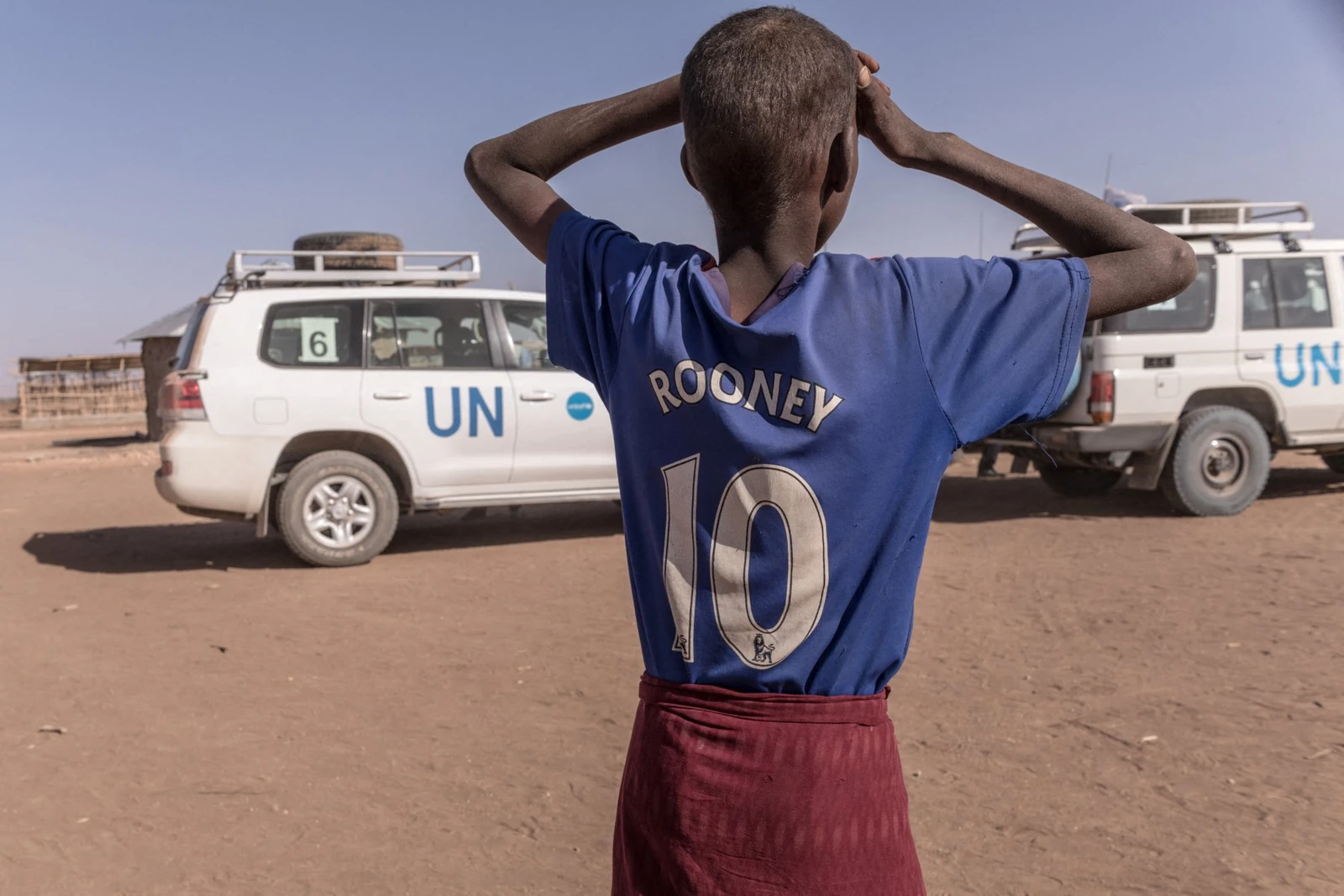
Washington had stopped funding the United Nations Support Office for Somalia (UNSOS) — which provides crucial logistics to African Union military operations — and had given it until the end of 2027 to shut down entirely.
The Al-Qaeda-linked Al-Shabab has been fighting the Somali government for two decades and continues to control large swathes of central Somalia despite the African Union military campaign, which was unlikely to be able to continue without UNSOS support.
But on Sunday, the US State Department said that, after consideration, the United States has decided to “support a one-year renewal of the mandates” for both UNSOS and the African Union Support and Stabilization Mission in Somalia (AUSSOM).
A foreign diplomatic source working on Somalia told AFP the return of US support was welcome but that the sudden swings in policy were “madness.”
The source, who requested anonymity as they were not authorized to speak publicly on the matter, expressed shock that Washington did not use the promise of renewed funding to put pressure on the Somali government, which has lately triggered fresh political chaos that is undermining the campaign against the insurgents.
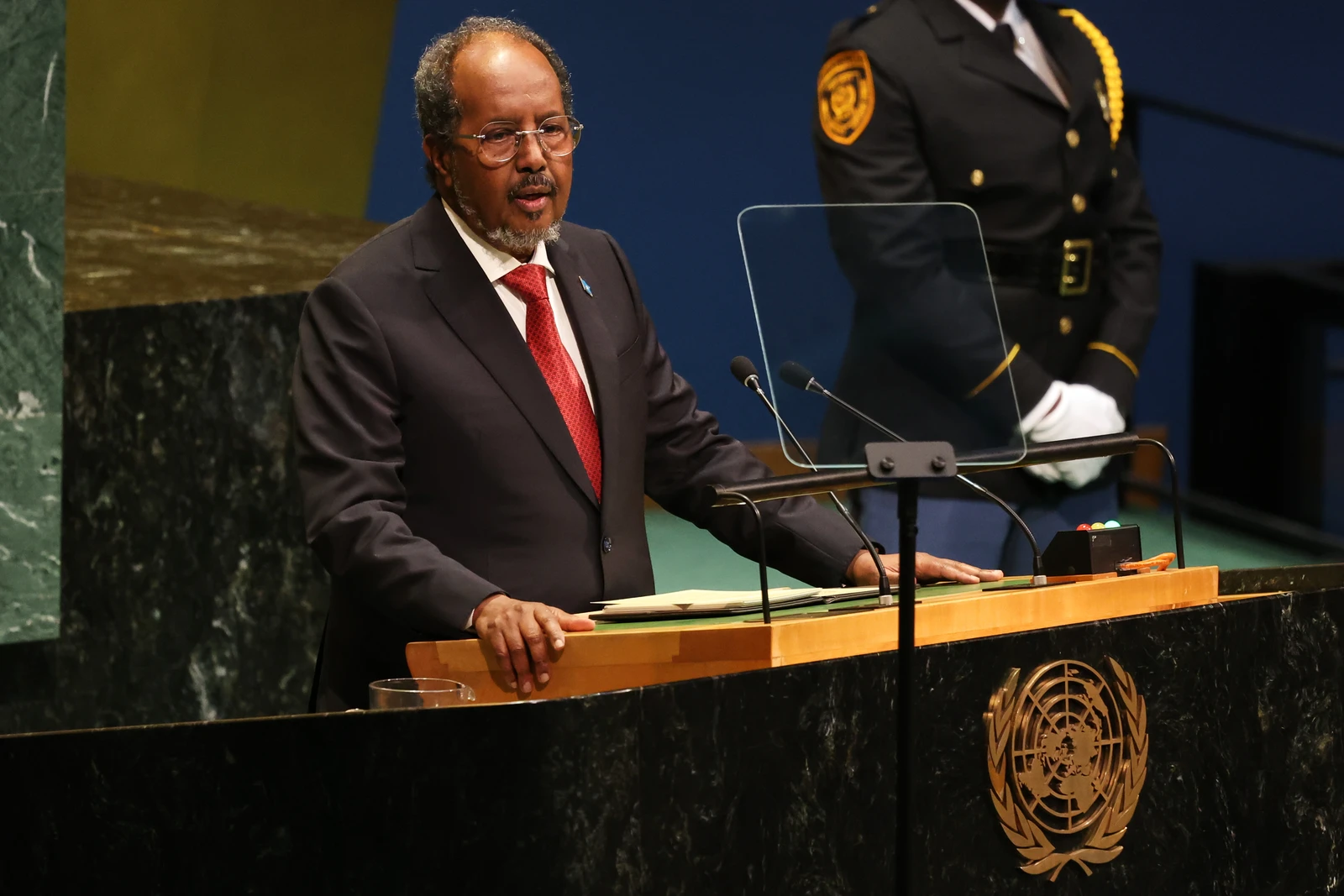
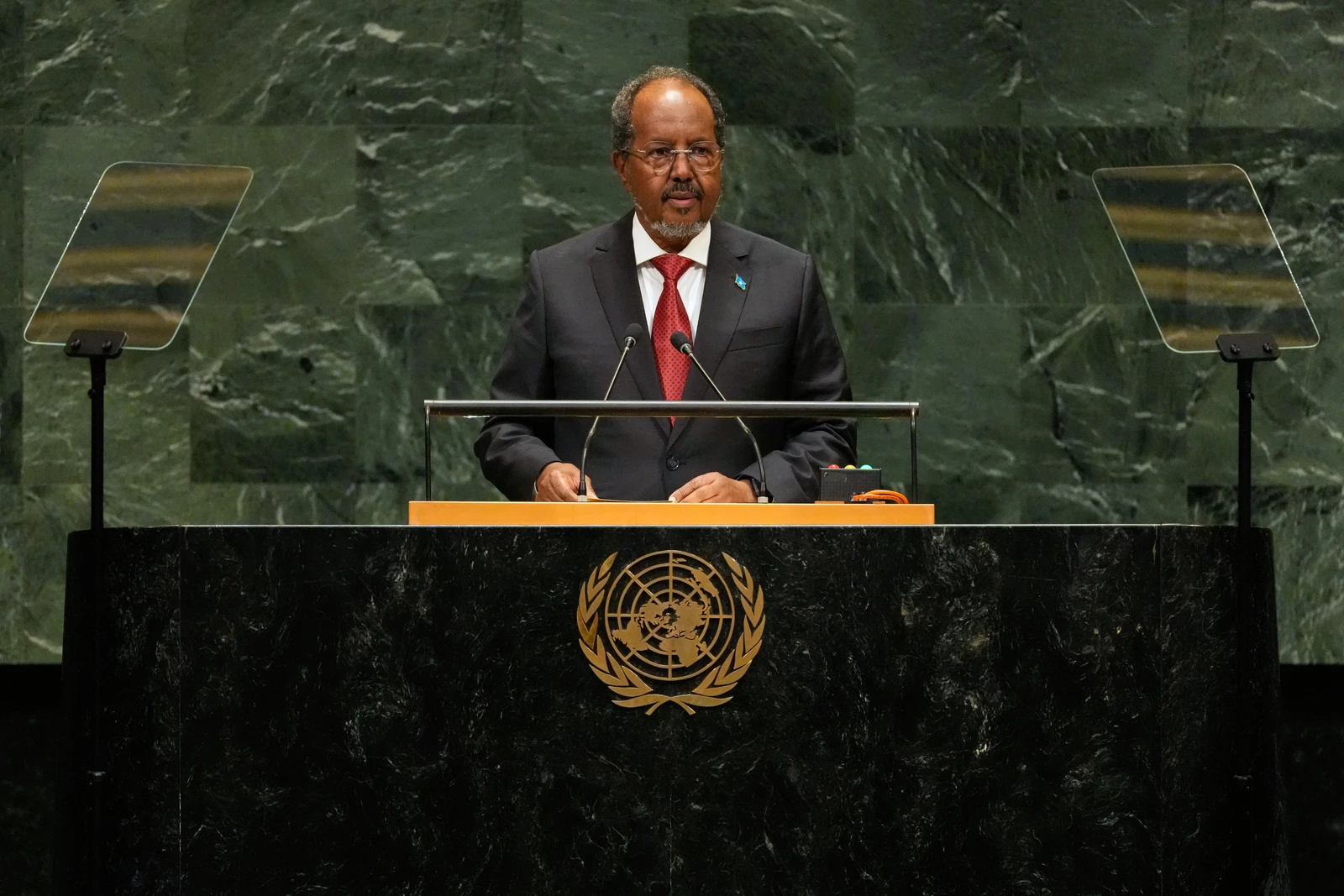
President Hassan Sheikh Mohamud has tried to move Somalia toward fully democratic elections, but sparked violent clashes with opposition parties when he pushed through constitutional changes in March that gave him an extra year in office.
Last week, he fired the chief justice of the Supreme Court as it was about to declare the extension of his term illegal.
The fight against Al-Shabab is also in trouble.
The group claimed last month it had killed hundreds of elite Somali soldiers in an ambush — potentially one of its deadliest attacks in years, although the government has not released a death toll.
Days later, Uganda, which provides the largest contingent of troops to the international military mission, said it would withdraw all its forces by the end of next year.
‘Security crisis’
The Somali government thanked its “steadfast partner,” the US, for renewing the funding, which “reaffirms the enduring partnership between Somalia and the United States in the shared fight against terrorism.”
It claimed the Somali army was steadily assuming control of military operations from international forces, and that “most major cities and much of Somalia now enjoy greater peace and stability.”
But in July, Washington cut the funding in frustration at the Somalia government’s failure to “sustain progress against Al-Shabab, take ownership of its security functions, or undertake serious security sector reform.”
The US has provided nearly $2 billion to UN missions in Somalia since 2007, and more than $1.6 billion for African troops deployed there, it said at the time.
The Islamists control large swathes of central Somalia, as well as powerful business networks throughout the country, including in the capital Mogadishu, which ensure they are well-funded.
Although Mohamud’s government made territorial gains against the group after he came to power in 2022, these were largely reversed by a counter-offensive in the following years.
The State Department said on Sunday that the renewed support to UNSOS would help contain threats from Somalia and “prevent the emergence of broader security crisis in the region that would undermine US interests,” the spokesman added.
The foreign diplomatic source said the change of plan followed an internal assessment by the US State Department that raised fears Somalia could turn into a failed state.
The source suggested this may have worried Secretary of State Marco Rubio, given his potential plans to run for the US presidency in 2028.
The State Department did not respond to follow-up questions on the reasons for the policy change.
But the spokesperson warned there was no “indefinite commitment” of support to Somalia, and stressed the need for Somalia and the African Union to step up planning for a shift to “more sustainable regional security solutions.”