TAIPEI: Taiwan’s ruling Nationalist Party dumped its unpopular presidential candidate on Saturday, in hopes that her replacement will revive the party’s fortunes three months before an election that the pro-independence opposition is heavily favored to win.
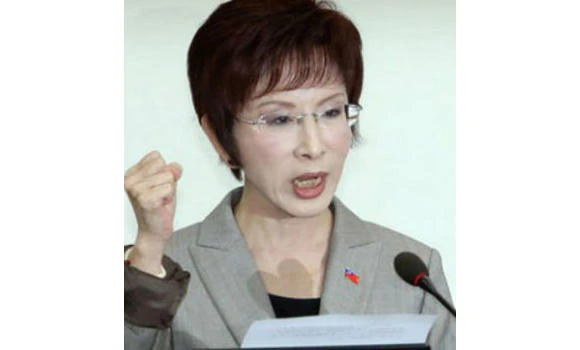
Delegates at an extraordinary party congress voted overwhelmingly to nullify Hung Hsiu-chu’s nomination and selected party Chairman Eric Chu to lead the ticket in the Jan. 16 election.
Chu, the mayor of suburban New Taipei City and a former accounting professor, had earlier declined to seek the nomination. But upon accepting it on Saturday, he said the election was too important not to step in.
“The presidential and legislative elections are polls to determine the nation’s future, to determine the future polices of the nation,” Chu said. Hung had resisted stepping down as the party’s candidate, but said she accepted the decision and would remain loyal to the party.
The Nationalists have lost favor over their pro-China policies, and Hung was running about 20 percentage points behind Democratic Progressive Party candidate Tsai Ing-wen, who advocates greater caution in relations with Beijing.
While the presidency remains in doubt, a more popular candidate could help the Nationalists retain their majority in Taiwan’s 113-seat parliament. Hung’s nomination in July set up Taiwan’s first presidential race between female candidates from the two major parties.
However, the veteran legislator and former teacher was seen as lacking in executive experience and had focused much of her campaign on the party’s already embattled China policy.
Chu is seen as relatively more moderate on cross-Taiwan Strait relations while maintaining friendly ties with the mainland’s ruling Communist Party.
A win for Tsai would throw up new questions about Taiwan’s relations with Beijing, which claims the island as its own territory to be reunited with the mainland, by force if necessary. Despite that threat, China is now Taiwan’s biggest trading partner and a growing source of tourism and investment.
Talks between the sides have been based on the Nationalists’ acceding to Beijing’s demand that Taiwan and China be seen as part of the same country, something the DPP has refused to do.
While the DPP officially advocates Taiwan’s formal split from China, it has pledged to adhere to the will of the majority of Taiwanese, who favor maintaining the status quo of de facto independence.
Taiwan ruling party dumps presidential candidate