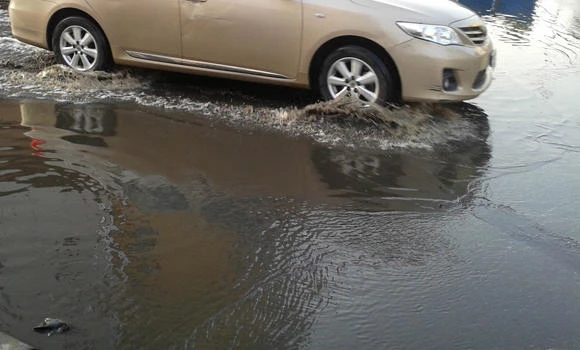
JEDDAH: A number of residents of the Prince Fawaz project in southern Jeddah complained about the presence of sewage water in the neighborhood, which they say threatens to spread dengue fever.
They demanded the municipality identify the source of the sewage water and address the problem, while environmental experts warned about the seriousness of the presence of sewage and its potential to cause bacterial and viral diseases.
Abdullah Al-Shamrani, a resident, said the issue has been going on for six years. “We contracted the municipality several times but no one has responded. What is supposed to protect us from flash floods has turned into a daily nightmare, with bad odors emanating from the stagnant pool of water and the presence of mosquitoes carrying diseases.”
Khalaf Al-Ghamdi, Ibrahim Najmi and Suleilam Arab said the situation has made residents afraid of letting their children play in nearby areas.
Saad A-Masoudi, professor of biology at King Abdulaziz University in Jeddah and an expert of bacterial diseases, says the presence of stagnant water in the riverbed is very dangerous and becomes even more serious if near a community, as these places tend to be home to many insects and mosquitoes, and thus can transmit and spread viral and bacterial diseases such as dengue fever.
“The longer the presence of this water near residential neighborhoods, the more opportunity there is for the spread of diseases, so this issue should be resolved quickly,” he said.
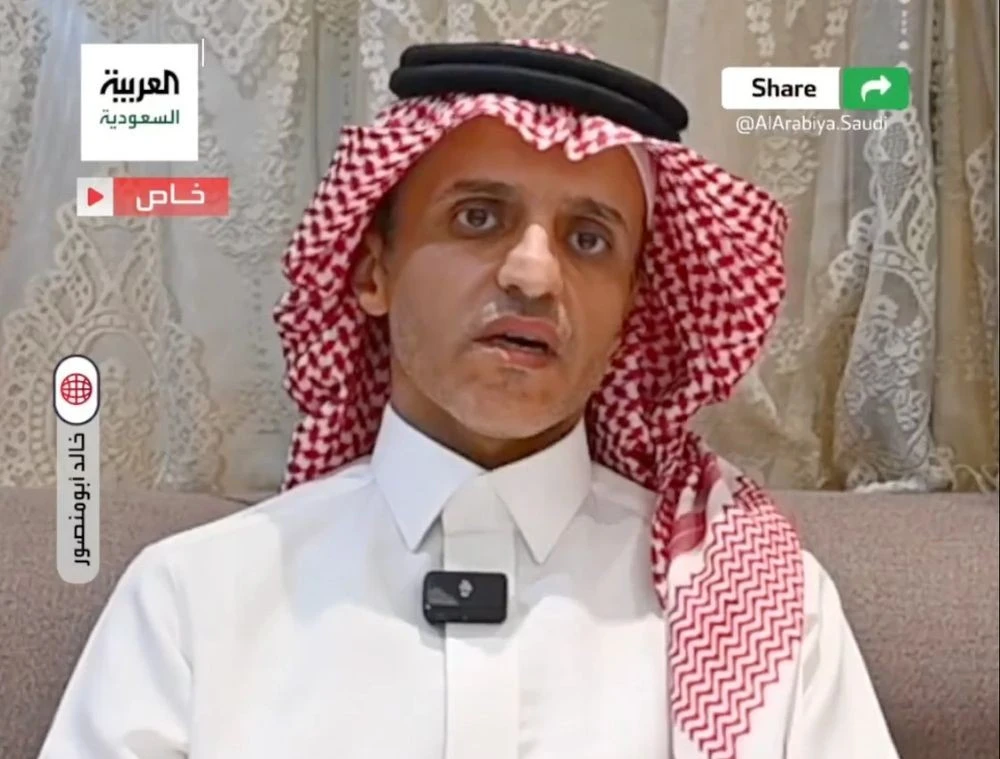
Meanwhile, spokesman for the Jeddah municipality, Mohammed Obaid Al-Buqmi, said “no violations in the riverbed were detected over the past three months, and a wire fence has been set up at most areas downstream to prevent water from reaching it.” He said the stream is sprayed regularly to prevent the spread of insects, and is cleaned four times a year.
Stagnant sewage water threatens residents of Jeddah neighborhood