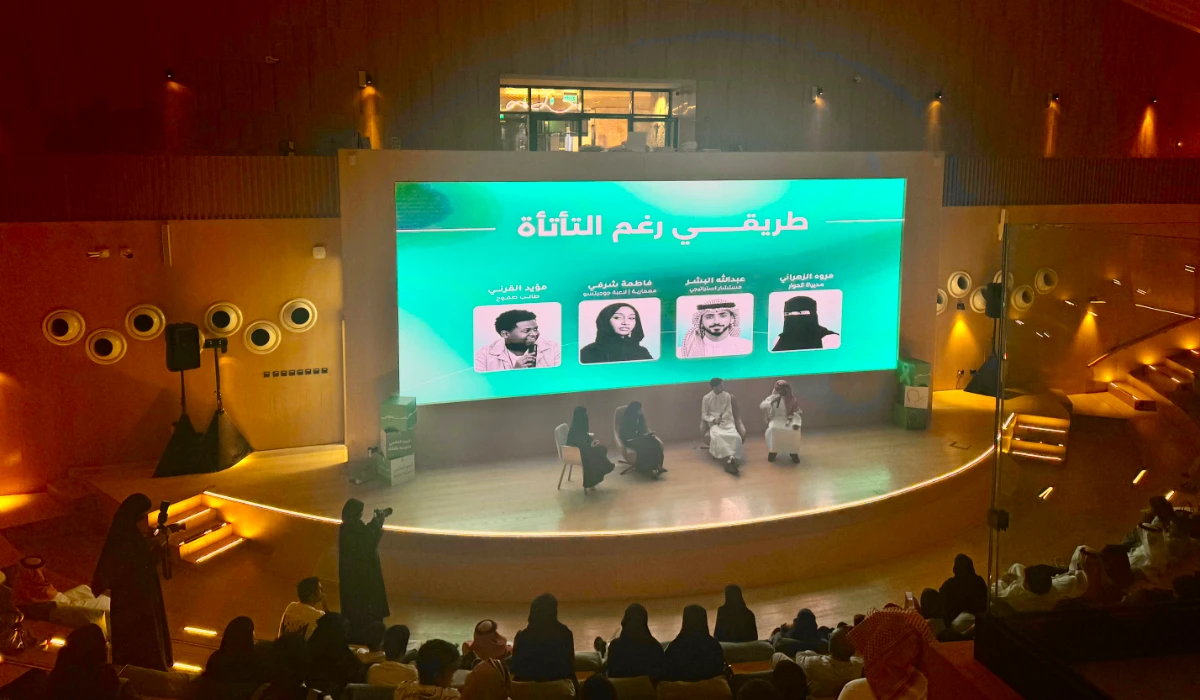
RIYADH, 5 January — A three-day Gulf seminar on "health insurance needs and application" will be held in Dammam on Jan. 16 in cooperation with the GCC Health Ministerial Council's executive bureau.
The seminar, which will be opened by Eastern Province Governor Prince Muhammad ibn Fahd, will highlight the GCC states' experience in health insurance and assessing the Gulf citizens' needs in this regard, Tawfiq Khouja, the council's executive director announced yesterday.
According to official studies, the health insurance market in the Kingdom is set to grow by 25 percent annually once health insurance becomes mandatory for expatriates by June this year. The scheme will be implemented three months after the issuance of executive laws which will be ready by the end of March.
Minister of Health Dr. Osama Shobokshi indicated earlier that some of the old regulations have been modified in line with developments in the field both nationally and internationally. The new regulations will relate to medical and dentistry practices taking into account the status of health care in the Kingdom.
The health insurance market will reach $3 billion (SR11.25 billion) once the scheme is applied in the first phase to the Kingdom's nearly seven million expatriates before extending it to Saudis.
Statistics released by the Ministry of Health show that 3.58 million expatriates, including 2.54 million employees from the private sector and 1.03 million domestic servants, are treated annually at government hospitals.
With health insurance becoming mandatory, this segment of the population will have to be treated at private hospitals, necessitating the demand for more hospitals in the private sector.
The annual subscription fee toward medical insurance, ranging from SR1,200 to SR 1,500, will give a further boost to the employment market for Saudis who comprise 17 percent of the workforce of 2,244 employees working in the sector.
As for public hospitals, the government has already announced that 61 new hospitals with 5,750 beds will be set up in different parts of the Kingdom to provide health care to the population growing at the rate of 3.7 percent annually.
Currently, according to Dr. Abdul Ilah Saati, director of information in the Ministry of Health, the Seventh Five-Year Plan seeks to maintain a ratio of 2.2 beds for 1,000 people to cope with a substantial increase in the Kingdom's population estimated at 22 million, including expatriates.
The present ratio, he said, stands at one health center for a population of 10,000 Saudis. Moreover, these health centers are neither adequately equipped nor staffed by experienced doctors. They do not stock enough medicines either. An allocation of SR21.9 billion for health services and social services under the five-year plan is expected to go a long way in providing a shot-in-the-arm to the health care sector, including the medical insurance market.