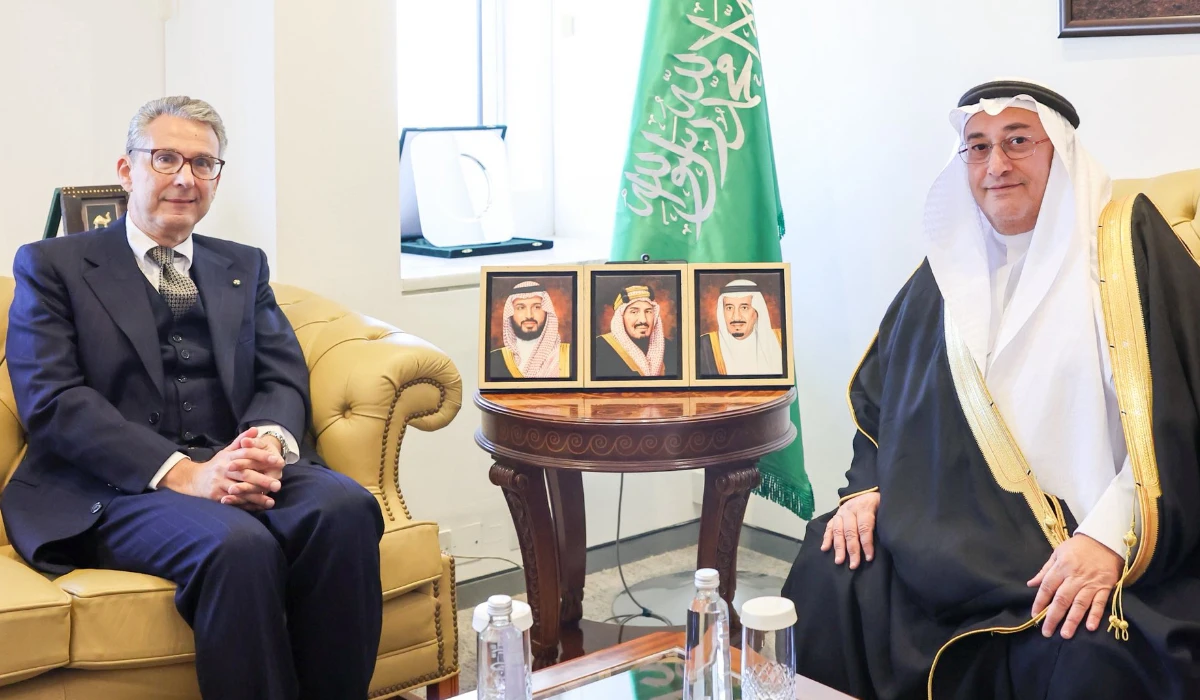
JEDDAH, 26 March 2003 — Clothes maketh the man, the saying goes. They reflect our identity and our social customs and culture.
Some Saudi youngsters, however, are opting for alternative clothing. The culture and identity their clothes express is not theirs, but increasingly, they opt for Western clothing, Al-Madinah reported.
Ali Banakhar and Omar Aynosah are Saudi men who prefer to wear Western clothes, spending huge amounts of money each month on fashionable clothes. While the Saudi national dress is beautiful, they say young people like change and variety.
Wearing Western clothes, they feel, sends a message to people that “we are not isolated but are free to buy and wear whatever we want. Saudi clothes make us feel more formal. Western clothes make us feel free, uninhibited and suit our age.”
Admittedly, most youngsters wear Western clothes just to impress girls and get their attention, they add.
Turki Abdul Mohsen and Meshal Al-Johani from Riyadh refused to be photographed in their Western clothes, afraid that their families — who ridicule youngsters dressed in Western style — might see the pictures. They usually wear Saudi clothes on special occasions and inside Riyadh, but as soon as they are out of the city they change into Western clothes.
Wearing the Arab headgear all the time, they claim, makes your hair fall out. “We love Western clothes because they make us feel comfortable and we look good in the eyes of girls,” they say.
According to Muhammad Al-Aydaroos, satellite channels are responsible for men’s fascination with Western fashion — especially designer clothes. “We can wear Western clothes for days and they don’t get dirty. National dress barely lasts a day,” he says.
Musa Siraj, a salesman in a clothes shop, said: “What we offer men is famous brand names, and they like it. These youngsters are competitive. They look at Western dress as a means to impress girls. Our profit is getting better because sales are high, so we are traveling abroad to buy the latest fashions.
“Sales in Jeddah are much higher than in Riyadh, where most men do not buy these clothes because they are afraid of criticism,” he adds.
Abu Bakr Salem sells traditional Saudi clothes and says his business is in a slump. Sales are now limited to holidays and special occasions, he says, a trend he links directly to the popularity of Western clothes. He wonders why the young are turning away from tradition. “What is the point of running after clothes of many colors?” he asks.
“Our clothes reflect our culture and tradition,” comments Mubarak Al-Hazmi, director of the media section at King Abdul Aziz University. “There is no good reason for our youngsters to wear Western clothes. All it shows is that they’re abandoning their heritage.”