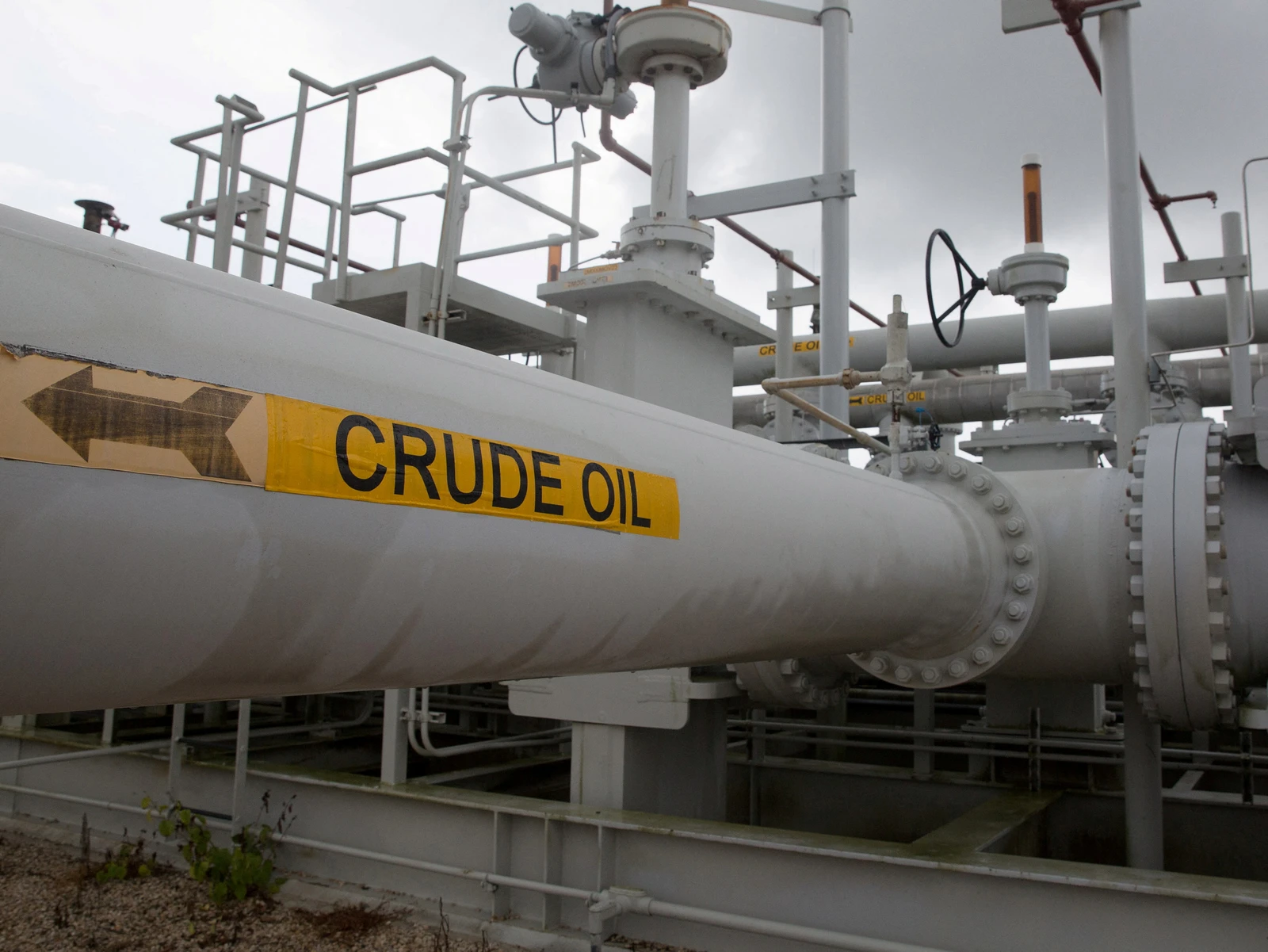
KABUL, 31 October 2004 — Incumbent leader Hamid Karzai said yesterday his top priority as Afghanistan’s first popularly chosen president would be to fight the crippling opium and heroin trade. “The fight against narcotics will be my top priority in the future,” Karzai told NATO’s top commander for Europe, Gen. James Jones, during talks at the presidential palace.
“We will put all our means in the eradication, interdiction and destruction of labs, but we also need the support of the international community to provide alternative livelihoods to the farmers.” Karzai said in a statement released by the presidential palace.
Opium poppy cultivation and the manufacture of heroin has skyrocketed across Afghanistan since the harsh Taleban regime was ousted three years ago.
Poppy cultivation was expected to jump another 40 percent this year, the US State Department’s assistant secretary for international narcotics and law enforcement affairs, Robert Charles, said in September. The United Nations Office of Drug Control will release its annual report on opium and heroin production in Afghanistan this Thursday.
A bumper crop last year generated $2.3 billion and produced three-quarters of the world’s heroin, including 90 percent of the heroin on Europe’s streets. Poverty-hit farmers growing opium can make 10 times the profit they would by just farming rice, the governor of northeast province Badakshan, Said Ikramuddin, told AFP in September.
With the drugs trade accounting for 35 percent of Afghanistan’s gross domestic product, the UN has warned the Central Asian state, struggling to recover from a quarter century of conflict and drought, is at risk of turning into a “narco-state”. Karzai, who has led the interim government since the Taleban’s ouster three years ago, won Afghanistan’s first presidential election by a landslide.
Jones was joined by the head of the NATO-led peacekeepers in Afghanistan, Gen. Jean Py, in meeting Karzai. Jones hailed the Oct. 9 ballot, which drew around 80 percent of registered voters and passed without feared violence. “We are happy to see positive changes in Afghanistan and to have witnessed the success of the elections,” Jones said.
The UN-mandated International Security Assistance Force (ISAF), currently made up of 9,000 multinational troops, helped secure the 5,000 polling stations. “The good conduct of the elections, the fight against narcotics, parliamentary elections and the expansion of NATO forces under ISAF command to the west of Afghanistan were discussed in the meeting,” the statement said.
Meanwhile, Afghanistan’s top court has sentenced three people, including an anti-Taleban commander, to death for the massacre of 11 Chinese engineers as they slept in tents in northeast Afghanistan in June, a court official said yesterday. Four men were convicted over the slaughter of the Chinese, who were helping to rebuild a road in the normally quiet province of Kunduz, and three were sentenced to death late Wednesday, Supreme Court spokesman Waheed Mujda said.
The convicted trio were Gen. Mohammad Akbar, a former anti-Taleban commander of the Northern Alliance coalition, Gul Mohammed and Mohammed Asif. Akbar was identified as the ringleader of the killers. Asif’s father, Ahmad Khan, was found guilty as an accessory for failing to report the massacre to police, and was sentenced to two years in jail.
Mujda said the four could appeal against their conviction and sentence. Details of the motive for the crime and the planned date of executions were not immediately available. A campaign of attacks on foreign and Afghan road workers, aid workers and troops has been blamed on or claimed by insurgents loyal to Afghanistan’s former Taleban rulers.
In another development, a breakaway Taleban group claiming to hold three UN workers threatened yesterday to execute them unless foreign troops withdraw from Afghanistan and condemn its invasion by US-led forces. “Our demand is the invader countries that these people belong to should withdraw their troops from Afghanistan and rethink their policies toward Afghanistan,” Mulla Mohammad Ishaq, a spokesman for the Jaishul-Muslimeen (Army of Muslims), told AFP by phone.
The abducted UN workers are a British-Irish woman, a Filipino man and a woman from Kosovo, a province of southern Serbia. When it was pointed out to Ishaq that neither Serbia nor the Philippines had troops in Afghanistan, he replied: “Their countries should condemn the invasion by other countries of Afghanistan. If they don’t do so, we will kill the hostages.”
The first proof that the extremists were holding the trio came yesterday when they issued the British-Irish woman’s credit card number to media organizations. A Western official close to the investigation confirmed the card belonged to the woman, Annetta Flanigan.