LONDON, 6 November 2004 — Prime Minister Tony Blair faced anger over Iraq yesterday after three British soldiers were killed in a suicide attack, just days after being sent into a dangerous US-run sector of the country.
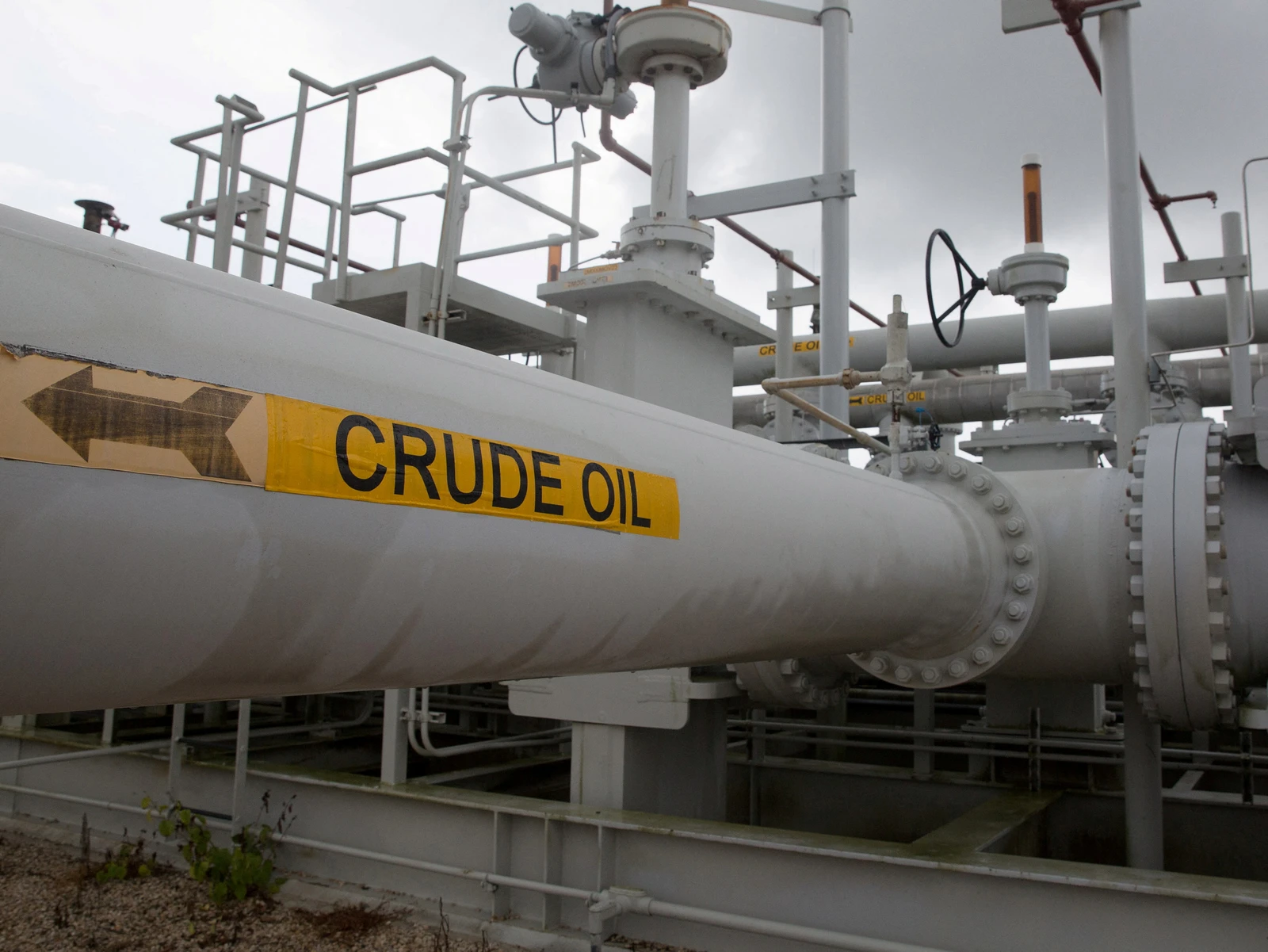
Perhaps the most damaging condemnation came from the brother of one of those killed, also a serving soldier, who said his 19-year-old-brother had been deeply opposed to a conflict fought over “money and oil”.
“He thought they shouldn’t be there, they should all just be back here because it’s a war which nobody knows why it was started or what it was done for,” Pvt. Craig Lowe, who himself returned from Iraq last month, said of his brother Paul.
The Ministry of Defense in London yesterday named Pvt. Paul Lowe, along with Sgt. Stuart Gray, 31, and 22-year-old Pvt. Scott McArdle as the soldiers killed along with an Iraqi civilian translator.
The trio, all from the Scottish-based Black Watch regiment, died on Thursday when a vehicle-borne suicide bomb exploded at a checkpoint they were manning by the Euphrates River.
It happened just two days after the 850-strong Black Watch battle group started full operations at Camp Dogwood, a bleak outpost to the west of the insurgent-hit town of Mahmudiyah, southwest of Baghdad.
The regiment, previously based in the more peaceful southern city of Basra, took over the region from US soldiers who are preparing to fight insurgents in the violence-plagued city of Fallujah.
The redeployment has been hugely controversial in Britain, with Blair’s critics accusing him of sending troops into harm’s way largely as a symbolic gesture to show that the United States is not fighting alone in Iraq.
Blair has insisted the decision was military, not political. Britain has around 8,500 military personnel in Iraq, as against around 138,000 US troops. It has suffered 73 military deaths since the start of the Iraq war in March 2003.
Speaking ahead of a European Union summit in Brussels, Blair expressed his condolences to the families of the dead soldiers, and paid tribute to “the extraordinary and heroic job” carried out by their regiment.
It was playing a crucial role ahead of Iraq’s elections in January, which were “the single most important element of bringing stability to Iraq and therefore stability to the wider Middle East”, Blair said, standing alongside Iraqi Prime Minister Iyad Allawi.
Turning Iraq from a “repressive failing state” under ex-dictator Saddam Hussein to a democracy “would have a huge impact on the whole of the Middle East”, he added.
However the deaths, so soon after the redeployment, are bleak political news for a prime minister who has seen his opinion poll ratings tumble since he opted to back the US-led invasion Iraq in March 2003.
Blair came under swift condemnation, with Alex Salmond, leader of the Scottish National Party, bitterly contrasting “the bravery of our soldiers with the duplicity of the politicians who sent them there”.
Craig Lowe said his dead brother had a low opinion of US President George W. Bush and his reasons for going to war.
“He just thought he was an a*** for starting a war over nothing, trying to get money and oil,” Lowe told Britain’s domestic Press Association newswire. “That’s what we thought ourselves, that’s what Paul thought as well, we all thought that.”
Blair pushed strongly for Britain to support the US-led conflict, against the wishes of many members of his ruling Labour Party as well as a considerable proportion of the general population.
The deaths, which come only two days after Bush was re-elected, “could not be less timely” for the British leader, The Independent newspaper noted.
“There is now not the slightest chance that Mr. Blair will be able to cast off the damaging idea that he is Mr. Bush’s poodle,” it said.