The very existence of women in our society seems to represent a real problem that continues to create diverse — and sometimes extremely conflicting — views on how this issue should be addressed. There are those who say the best place for women is home and call for them to be confined to the house and never, never allowed to venture outside except under extraordinary circumstances. Then there are those who say since women represent half of our society they should be allowed to participate in every aspect of public life.
Our society is faced with mounting pressure from the growing demands of modern life. We live in a world that is fast changing. Every day, we see the dismantling of more barriers between nations. Amid all this, our society is seeking to adapt, albeit very cautiously, while trying to resist the forces of isolationism.
The state spends billions of riyals educating women, which enables them to pursue higher education at the graduate level and beyond. This rapid expansion in education has produced a situation where we now find that the number of educated women equals or exceeds the number of educated men.
Right now, the whole world is watching us — wanting to know what steps we will take regarding our treatment of women and ensuring their rights. It is true women represent half of our society. And Islam orders us to treat them with fairness and kindness and guarantee the terms of their rights and obligations.
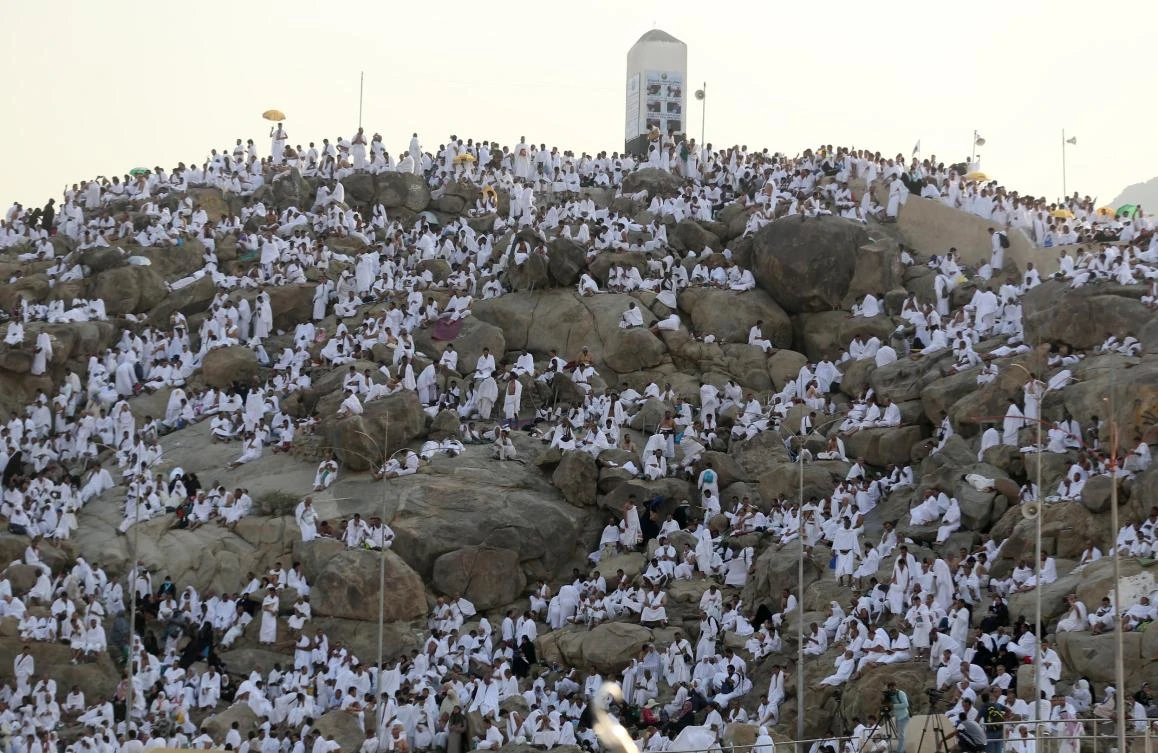
But unfortunately, this magnanimous and compassionate view of women has been distorted and sometimes trampled under a heavy legacy of custom and tradition. Many of these customs are viewed as part and parcel of Islamic law while in fact they are not. There is nothing in the Holy Qur’an and the Prophet’s teachings that separates men and women, whether in public places of worship, during Haj or in markets and other places.
One thing that should be denounced is the growing tendency to isolate women and segregate society by having separate businesses for women only. The latest plan is to open women-only pharmacies to be run by Saudi women and visited by women. This is unprecedented in the history of Islam. What should a female pharmacist do if a male patient enters the drugstore with a prescription in hand and asks to be served? Should the woman pharmacist ask him to go home and bring his womenfolk to get the medicine?
I call upon the authorities to move quickly and scrap this bizarre plan. I am for women working as pharmacists, but I am also against treating them as objects of shame who must be concealed.