TEHRAN, 16 November 2004 — Iran said yesterday its decision to freeze sensitive nuclear work was a voluntary move to dispel concerns it was secretly building atomic arms and would last only for a short time.
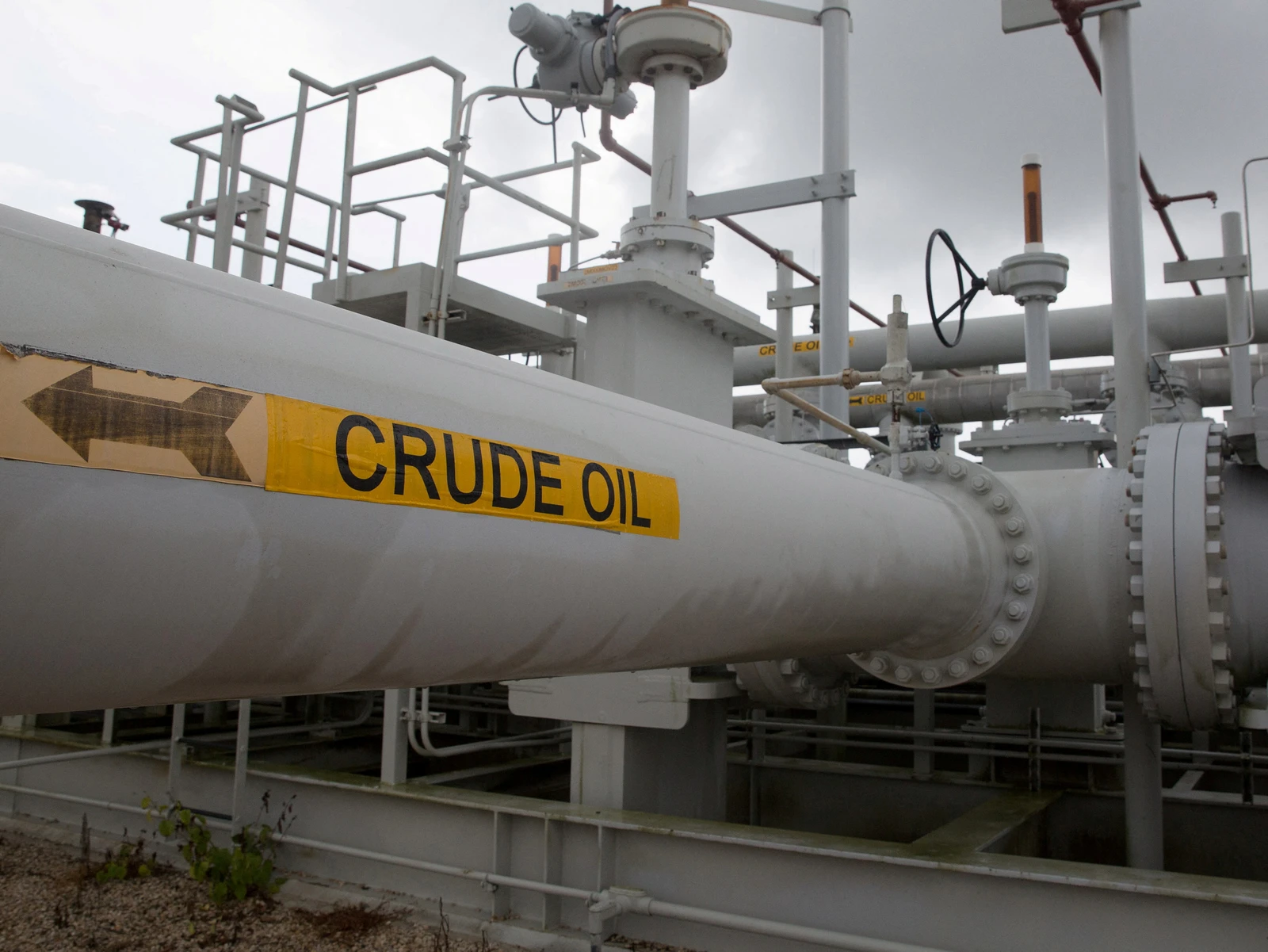
Iran will “suspend” uranium enrichment but will never agree to a total halt, Iran’s Foreign Ministry said yesterday after a crucial deal on easing nuclear concerns was struck with Britain, France and Germany.
“We stayed within our red lines, and this red line meant we could suspend enrichment but not stop it,” Foreign Ministry spokesman Hamid Reza Asefi told reporters.
Iran told the United Nations atomic watchdog on Sunday it would suspend uranium enrichment and processing activities as part of a deal with the European Union to avert any UN Security Council sanctions. “These were very important talks and the parties made the best decision,” Asefi said.
“Accepting the suspension is a politically motivated move. In the agreement it says it is not a legal obligation for Iran and Iran has voluntarily accepted this,” he said.
Iran, which denies US accusations its atomic energy program is a front for a nuclear weapons bid, has said the suspension will remain in place while it and the European Union discuss a lasting solution to its nuclear case.
The EU — in talks with Iran led by Britain, Germany and France — wants the oil-rich country to give up its nuclear fuel cycle activities like uranium enrichment for good.
In return the EU could offer Iran incentives including help with a civilian nuclear program and a possible trade deal. But Iran has said it will never give up enrichment technology. Talks and enrichment suspension, would be brief, Asefi said.
“The talks will be for a short period of time ... and in the agreement it has been emphasized that Iran has the right to develop peaceful nuclear technology,” he said.
Talks are due to begin on Dec. 15 and would be handled by separate working groups for political, security, technology and economic issues, Asefi said. A team of International Atomic Energy Agency (IAEA) inspectors now in Iran could verify the suspension, he said.
If the enrichment freeze is verified by IAEA inspectors, diplomats said there was almost no chance that Washington could succeed in referring the Iran case to the Security Council when the IAEA board meets on Nov. 25.
The UN atomic watchdog said yesterday that Iran had not put into prohibited activities any nuclear materials it declared to the IAEA, but it could not rule out the existence of covert nuclear work.
A confidential report by the International Atomic Energy Agency (IAEA), obtained in full by Reuters, also said UN inspectors were investigating attempts by Iran to acquire materials that could be used for uranium enrichment at a razed site called Lavizan, which Washington suspects may have been linked to atomic arms work.
“All the declared nuclear material in Iran has been accounted for, and therefore such material is not diverted to prohibited activities,” the report said.
In October 2003, the Iranians and Europeans announced a similar deal on the suspension of Iran’s enrichment program.
But within six months the agreement had virtually collapsed as the Iranians continued producing and assembling centrifuges, which purify uranium by spinning at supersonic speeds.
Washington feels Tehran cannot be trusted to keep any promises and believes the Iranians have been using the EU talks to buy much-needed time as they move closer to their ability to develop atomic weapons, diplomats said. A prominent nuclear analyst told Reuters that the temporary nature of the suspension meant the EU’s battle to persuade Tehran to abandon any atomic weapons ambitions was not yet won.
“The Iranians have not yet made a strategic decision to abandon their pursuit of a nuclear weapons capability,” said David Albright, a former UN weapons inspector and head of the Institute for Science and International Security.
Iran yesterday called on the United States to change its attitude following the agreement to suspend nuclear enrichment. “They can no longer use this as a pretext, and normally they should change their attitude to Iran. But if this has just been a pretext to put pressure on Iran, they will continue the same policy,” said Asefi.
The White House yesterday declined to endorse the European deal with Iran, saying it had not seen “specific details” of the plan.