NAIROBI, 27 November 2004 — Representatives of Sudan’s government and main southern rebel group yesterday opened in Kenya what is meant to be a final round of talks to clinch a comprehensive deal to end Africa’s longest-running civil war.
Lazaro Sumbeiywo, a Kenyan retired army general mediating the peace process, told delegates meeting in the Kenyan town of Naivasha that “the need to conclude this session remains urgent.”
The UN Security Council last week moved to Nairobi and extracted a written promise from the government and rebel Sudan People’s Liberation Movement Army (SPLM A) to sign the deal ending 21 years of conflict in southern Sudan by Dec. 31.
More than two years of intense negotiations have already delivered agreements on key issues such as sharing of power and wealth, leaving only details of a permanent cease-fire and technical security measures still on the table.
“A lot of ground has been covered on the cease-fire details and general principles of implementing a peace agreement, including the implementation mechanism,” Sumbeiywo said in a statement read to AFP by one of the mediators. “A lot of work still needs to be done,” he added.
“Preliminary preparations of drafting a final peace agreement will commence, among other items, as we work towards the Dec. 31 deadline,” the chief mediator added.
Initially, lower level delegations will meet in Kenya, before Vice President Ali Osman Taha and SPLM A leader John Garang go head to head again from Dec. 6 to 23.
“If there will be no agreement by then, we shall break for Christmas, and resume on Dec. 27 to wrap up,” a mediator said.
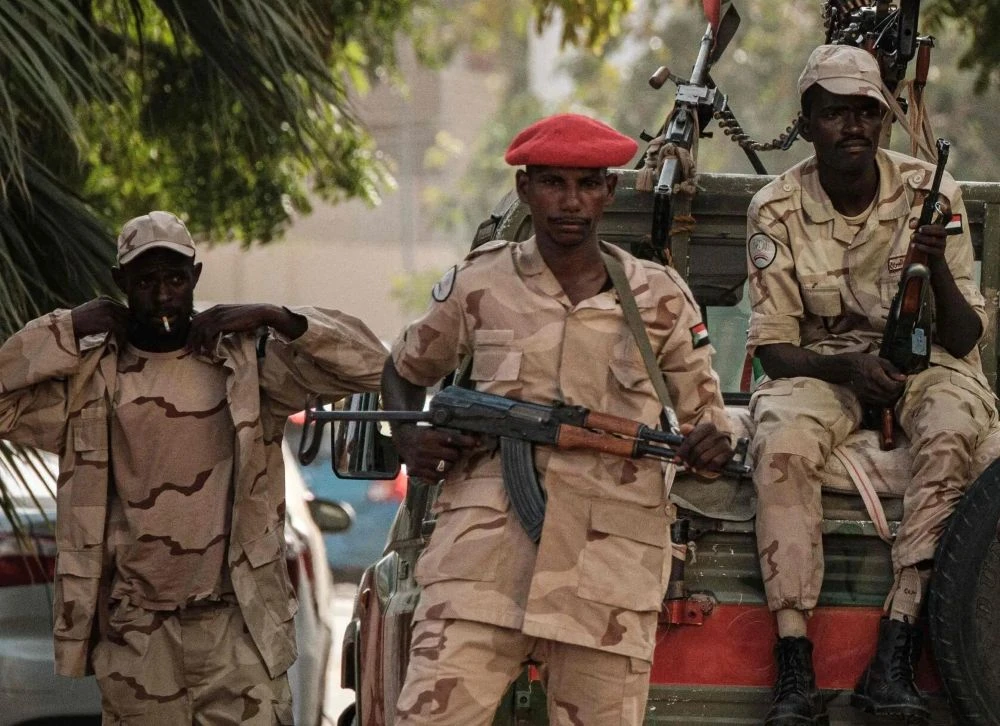
At least 1.5 million people have been killed and over four million displaced by the war, which erupted in 1983 when the mainly Christian and animist south took up arms to end domination by the Islamic regime in Khartoum.
The only remaining issues are the payment of SPLM A troops and nature of transfer from Khartoum to rebels during post-conflict six-year transitional period, mediators said.
SPLM A expressed its commitment to reach an agreement by the end of the year and urged Khartoum to do the same.
“We have come to Naivasha prepared and willing to sign an agreement before the end of the year as we committed ourselves before the UN Security Council,” said Samson Kwaje, the spokesman for SPLM A, which had earlier expressed doubt on the government’s commitment.
“We urge Khartoum to be forthcoming. The people of Sudan want peace. It is time we deliver it,” he told AFP by phone.
Officials from the government were present in Naivasha, but could not be reached for comment.
While the expected north-south deal does not directly address a separate conflict in the western region of Darfur, the Security Council resolution expressed the hope that the pact’s decentralization provisions would help ease what the UN has described as the world’s worst humanitarian crisis.
Tens of thousands have been killed and up to 1.6 million others displaced by the 21-month Darfur conflict that erupted in February 2003, when rebels rose up in the western part of Sudan for similar reasons that drove their southern counterparts to war against Khartoum more than 20 years ago.
Recent days have seen an escalation in fighting in Darfur and on Thursday the WFP announced it had been forced to halt operations in the state of North Darfur because of growing insecurity.