JEDDAH, 22 January 2006 — Saudis, Arabs and the whole world will witness for the first time a landmark change in the Saudi cultural scene.
Custodian of the Two Holy Mosques King Abdullah will launch the 10-day Riyadh International Book Fair on Feb. 22. Its mission will go beyond hosting publishing houses from Arab countries and selling books, as it has in the past. It will also host writers who will meet with fans at a series of scheduled events.
“In the past the book fair in Riyadh was called the International Book Fair of Riyadh, but this time it’s the Riyadh International Book Fair after a royal decree,” said writer Yehya Sabea, a member of the cultural committee at the Ministry of Education that is organizing the event.
“Now the Riyadh book fair is registered officially in the list of world’s known book fairs by the Publishers Union in Cairo,” said Sabea. “It will be the fourth on the list after Cairo, New Delhi and Casablanca.”
Book fair officials have invited many Saudi, Arab and foreign writers and intellectuals to participate in the events scheduled each day of the fair. The authors that have accepted the invitations will be announced today. Fair organizers said the list would include writers from Europe, Russia and Latin America, among, of course, Arab authors.
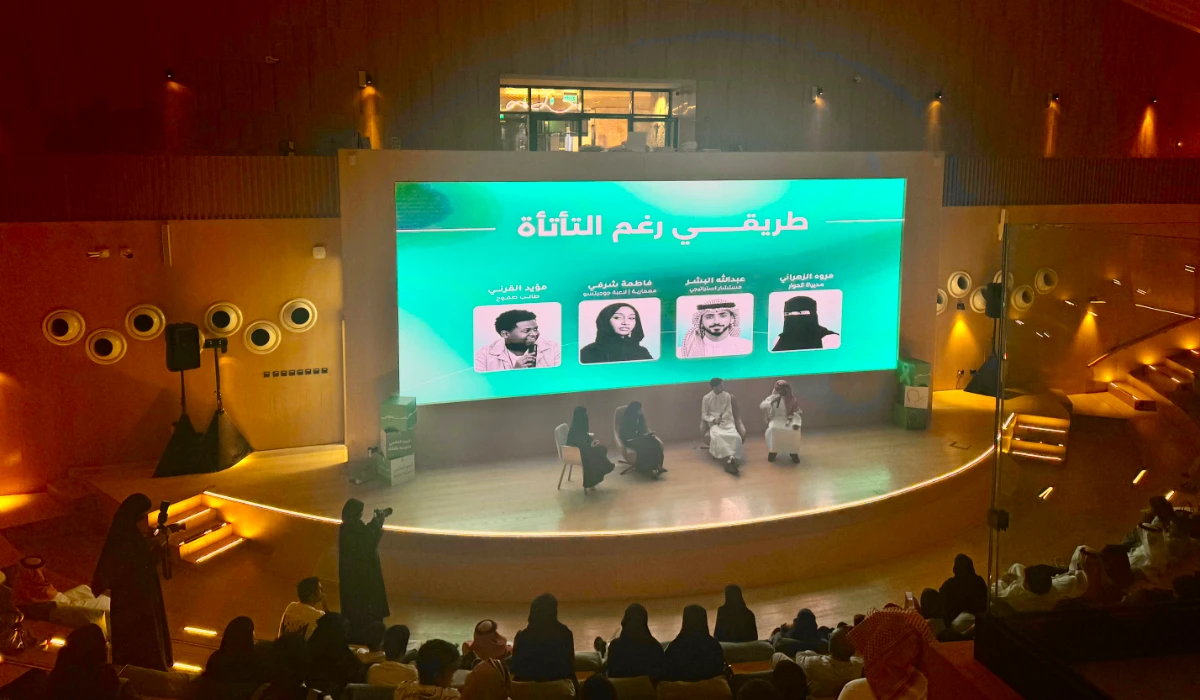
The evenings will be rich on topics, with writers talking about their personal experiences, as well as reading their literary works and indulging in lively discussion with the audience. Current subjects, such as the new world order, retaining national identity, use of the Internet in cultural matters, and the Arab media will be discussed.
Abdul Wahid Al-Ansari, the 26-year-old author of the short-story collection entitled “Roofs and Basements,” expressed his desire that organizers host a world-renown writer to be the guest of honor this year.
“Many famous writers who have won the Nobel Prize are long forgotten. Why not invite them and let emerging writers and fans meet them up close and personal away from the formalities?” asked Ansari.
Ansari suggested that fair organizers should aim high and invite such well-known masters as Egyptian novelist Sunallah Ibrahim, Syrian writer Hana Mina or Peruvian author Mario Vargas Llosa.
Saudi youth writers are not forgotten by the organizers, as they will be given an opportunity to interact face-to-face with their audiences in the evenings. Events for up-and-coming Saudi writers will take place at 10 p.m. daily during the fair. Saudis that have contributed to the Kingdom’s cultural scene will also be honored, fair organizers said.
Many Saudi writers expressed to Arab News their optimistic views about the coming book fair.
“The most important thing is that the cultural activities have to be well planned in a decent place that can host large numbers and allow women to participate,” said 38-year-old Saudi writer and literary critic Saeed Al-Ahmad.
A big concern at these types of events in the Kingdom is the banning of certain books. Ahmad said he hoped this year’s fair would be as open. He pointed out that last year’s fair featured many books that are banned in Kingdom.
“The supervision on books by the Ministry of Culture and Information was actually acceptable last year, as the publishers themselves admitted that very few books were rejected by authorities,” said Ahmad.
Writer Khaled Al-Samiti, 24, winner of the Best Short Story in last year’s Khartoum Cultural Festival, who is also a member of the book fair’s organizing committee, agreed with Ahmad that if the supervision is be the same as last year the book fair will be just fine.
Samiti said that he is really eager to meet all the famous names that he admire, such as Saudi novelist Abdu Khal, author of many novels well known in the Arab world. “I’ve only called him a couple of times, but I never got a chance to meet him,” said Samiti. “It will be really a great opportunity.”
More than 400 publishers, including British, French, German, Italian and Russian, will gather under one roof in February in Riyadh.