
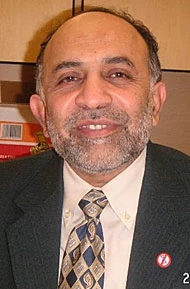
JEDDAH, 13 June 2007 — Incidence of blood cancer (leukemia) is higher among Saudi men compared to Saudi women, according to Dr. Mohammed Aslam, a leading oncologist and head of the blood cancer section at King Faisal Specialist Hospital & Research Center in Jeddah.
“The most common type of cancer among Saudi men is blood cancer. Cases among men are close to 10 percent of all cancers while among women the number is between 6 and 7 percent,” Dr. Aslam said. He noted that he was unaware of any specific reason for acute leukemia in the Saudi population. “In most cases, the cause of acute leukemia is not known. In a smaller number of cases, exposure to some chemicals, radiation or drugs may be responsible,” he added.
Blood cancer can be detected early if attention is paid to complaints such as fever, tiredness, bleeding, skin bruising, infections etc. “A lot of information can be easily obtained from simple routine blood tests as well as examination of the blood film by qualified physicians,” he said.
Blood cancer is a very dangerous and high-risk disease. As opposed to other types of cancers, the patient’s immunity is also seriously compromised in most situations. Intensive chemotherapies for the treatment of acute leukemia will further weaken a patient’s immune system, thus increasing the risk of infections and other complications.
Aslam described targeted therapy as a major advancement and a new hope in the treatment of cancer. However, he pointed out that targeted therapy could not be used to treat all kinds of blood cancers. Aslam, who is also in charge of the adult hematology and bone marrow transplant section at the hospital, highlighted the progress in cancer treatment.
“Many types of cancer were considered incurable 10-15 years ago but now the situation has changed dramatically. The availability of better hospital facilities, effective medicines, better chemotherapy agents and better support care has resulted in the survival of many patients. In the adult population about 50 percent of patients survive long-term. In children, the outcome of treatment is much better and most of them survive and enjoy a normal life,” he explained.
Asked whether finding a cure for blood cancer was difficult compared to other cancers, he answered in the negative. “There is a lot of progress in finding curative therapies for blood cancer as well as other types of cancers,” he added.
Blood cancer cannot be prevented in most cases. “In a smaller number of cases, certain chemicals, radiation, etc., can be avoided in order to reduce the risk,” he said. He urged patients to get treatment at the right place in order to have positive results. “This means the facility should have expert physicians, specialist nurses and pharmacy support as well as appropriate treatment tools and support care structures including blood banking and intensive care units.”
Thirty or 40 years ago, the only treatment available for cancer patients was chemotherapy. In addition to damaging the cancer cells, these chemical agents caused damage to many other organs of the body. The situation was further complicated by the fact that in those days the treatments available for infections and other complications were not so effective.
“At present we have much better and specific chemotherapeutic agents available for treatment. Moreover, newer agents have been developed which hit cancer cells in a very targeted manner and so minimize the effect on the body’s normal tissues.
Speaking about bone marrow transplant, Aslam said this treatment modality had been applied for more than four decades. This treatment involves using marrow from a family member who matches the patient. This new marrow replaces existing sick marrow and results in the formation of completely new blood cells.
If a matched donor is not available in the family, a search could be made for alternative sources for the stem cells (regenerating cells), he added.