- KUWAIT: Inflationary pressures within oil-producing Gulf Arab nations have eased significantly, but rising global food prices are becoming a concern among the region's central banks.
Inflation in the world's top oil-exporting region started to pick up again this year helped by generous government spending, but price rises in coming months are expected to stay well below the record double-digit peaks seen in 2008, central bankers said at a meeting of Gulf central bankers in Kuwait.
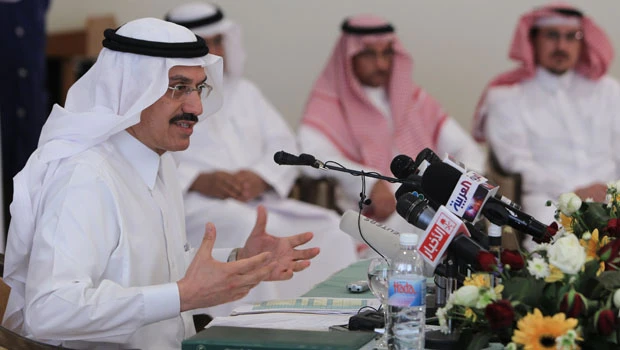
"At this stage it is necessary to pay attention especially to signs of a rise in food prices internationally," Kuwait central bank Gov. Sheikh Salem Abdul-Aziz Al-Sabah said in opening remarks, later adding that inflation could edge up to 4.5 percent toward the end of 2010. Annual inflation in the world's fourth largest oil exporter hit a 13-month high of 4.0 percent in July.
Kuwait's economy should rebound strongly to grow by 4-5 percent this year, Sheikh Salem said, after a 4.6 percent drop in 2009.
Saudi Arabia's central bank has also voiced its discomfort about rising inflation in the region's biggest economy, which at 6.1 percent is the highest rate in the Gulf.
The central bank said this week that though Saudi inflation is worrying, there is not much it can do as the rise is driven by factors outside its reach.
Saudi Arabia pegs its currency to the US dollar in line with most other Gulf crude producers, which results in policy rates close to US benchmarks.
"A lot of Gulf countries are in a similar situation as they import food," said Daniel Kaye, senior economist at the National Bank of Kuwait.
"In general, the inflation image in the GCC (Gulf Cooperation Council) remains pretty benign. I don't see this as a start of real inflationary pressures," Kaye said.
The central bank chiefs of the United Arab Emirates and Oman agreed, both saying inflation was within reasonable ranges.
UAE price growth is low as the second largest Arab economy grapples with the impact of Dubai's debt woes, while Qatar has not yet emerged from deflation. Bahrain's inflation is stuck in low single digits as is Oman's.
Analysts polled by Reuters in June expected inflation rates in the Gulf to range from 1.7 percent for Qatar to 4.7 percent for Saudi Arabia this year.
Sheikh Salem said Kuwait was still trying to persuade the United Arab Emirates to rejoin a planned Gulf monetary union, while the Saudi central bank head said the way back was open.
"Our arms are open, always," Muhammad Al-Jasser (governor of Saudi Arabian Monetary Agency) told Reuters but declined to say what steps they are taking.
The United Arab Emirates dealt the long-delayed project a serious blow last year when it withdrew in protest against placing the joint central bank in Saudi Arabia. It has since said it would only rejoin if it was profitable.
Only four Gulf states - Saudi Arabia, Kuwait, Qatar and Bahrain - and pursuing the project and most analysts expect the single currency to be launched in 2015 at the earliest.