- KABUL: Afghanistan began the long-publicized transition to control of its own security amid secrecy, not fanfare, on Sunday, a reminder of how tense the country is as foreign troops start to head home and violence spreads.
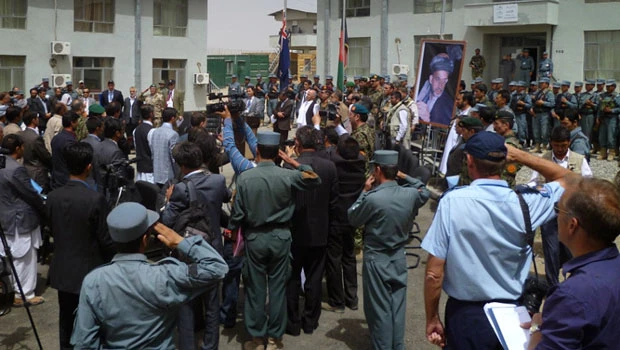
Ministers flew to Bamiyan province, one of the most peaceful places in Afghanistan, for a ceremony that was not announced in advance, did not run live on any TV channel and to which only a small number of media outlets were invited.
The handover from New Zealand forces to Afghan police — there is no Afghan Army presence in the province — is the very first step in a years-long national transition that aims to put Afghan police and army in control across the country by the end of 2014.
The process is critical to Afghanistan’s long-term security at a time when Western nations are wearying of the cost in lives and cash of the near decade-long war, both the Afghan government and its Western backers say.
Yet the president’s office, which is coordinating the transition, other key ministries and the NATO-led International Security Assistance Force, all remained silent about Sunday’s handover more than six hours after it began. The Taleban have threatened to target transition events, and attacks have been a serious security concern for weeks.
It was left to the Bamiyan provincial governor’s spokesman, Abdulrahman Ahmadi, to confirm transition was under way.
“The transition process officially began in Bamiyan today and this is a national process we have been waiting for,” he said by telephone, adding that the ceremony had begun at around 9 a.m. and continued into the afternoon. “Bamiyan hasn’t been suffering from any security threats, so the process will go on very smoothly,” he said.
The transfers are taking place in the shadow of the assassination last week of President Hamid Karzai’s powerful but controversial brother Ahmad Wali Karzai, and the start of a noticeable drawdown in foreign forces. His death left a dangerous political vacuum in southern Kandahar province and chilled other prominent figures.
“After AWK (Ahmad Wali Karzai)’s assassination, these top ministers are worried about who is next,” said analyst Haroun Mir, who welcomed the move toward Afghan control but warned that Bamiyan was not a template for the rest of the country.
“This is the beginning of a new era for the Afghan government, taking on (security) responsibility, but Bamiyan is probably the safest province in the country.”
A surge of US troops has helped improve security in the south of the country over the last year, but there has been spreading insecurity in once peaceful northern areas, fiercer fighting in the east and record civilian casualties.
The first half of this year was the deadliest six months for civilians in the last decade of conflict, with nearly 1,500 killed, the United Nations said in a recent report.
Afghan and NATO troops on Sunday killed at least 13 Taleban fighters in eastern Afghanistan after an overnight gunbattle ended with an airstrike on the building where the insurgents were holed up, Afghan and coalition officials said.
Six other areas have also been chosen for the first phase, which will be completed by Friday. Foreign military officials describe them as mostly “soft openings,” because they are effectively under Afghan control already — even the city of Lashkar Gah, capital of volatile Helmand province.
In Bamiyan, none of the nearly 200 New Zealand troops are expected to leave for at least a year and both sides admit there will be little real change between Sunday and Monday.
Police already run day-to-day security in most of poor, sparsely populated, Bamiyan. In the few areas where there is a strong insurgent presence, New Zealand troops will effectively remain in the lead in security operations, officials say.