- Imagination is the true magic carpet.
- So it was no surprise the 12th Bisat Al-Reeh (Magic Carpet) festival at the Jeddah Center for Forums and Events lived up to its name.
More than 160 government entities, private companies, and sponsors participated in the event. It served the perfect platform for women to meet, deliberate, and plan on future endeavors. “It is like a meeting point for Saudi businesswomen — the young and old entrepreneurs, who operate small businesses to mingle and learn from each other,” said Eman Bayan, a 28-year-old designer at the event.
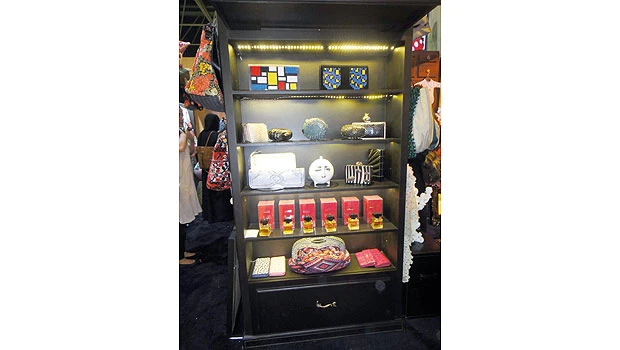
Women displayed a huge collection of merchandise, accessories, food, household goods, and cultural and traditional items among other products. The most popular and coveted items sold at the event were abayas, thobes, jewelry, and handmade goods made by the less privileged sect of society.
“The NHHCF provides help to more than 5,000 patients at their homes,” said Dr. Manal Felimban, head of the medical and social center at the foundation.
Abeer Qabbani, head of public relations at the NHHCF, said the event aimed to develop the concept of charity and volunteering work in the Kingdom.
Bisat Al-Reeh was robust full of enthusiasm, dreams, beautiful women, and their visions from Italy, Tunisia, Kuwait, and locally. The event attracted more than 12,000 visitors. The clientele was very sophisticated, and even the sellers at the event deemed the Jeddah clients classy and full of vigor.
The first festival was held in Jeddah in 2000, and since its launch it has been a pivotal event in the city’s calendar. A designer from Lebanon, who chose to remain anonymous, has been participating for eight years in the event and said the exhibition never disappoints. “We do pretty good business. The Saudis are loyal customers and their very selective taste makes us want to do well and improve ourselves.”
The fashionistas brought the latest and famous designers into Jeddah Forum: Cream, Regality, Argenterie, Soha Ashi, Scream, Pietra, Fab Lounge, Maison BOM, Earth & Spirit, Sahar Designs, Rafah Malas, Samar Jokdar, Chirine A. Maktabi, Tiraz, Al Roden, Sahar Salamah, Seet Al Hosun, Orient 499, Kasral Karam, Alal Falah, Iwan Maktabi, Taj Al Remal, Hanady Style, Lala Queen, Art and Skills Institute, and more.
There was something for everyone, for all ages and tastes. Confectionery stationeries were set up; Voila, Paul, Kasr Al Haram, and Al Daeea were fashionable eateries present at the event. Women entrepreneurs who participate in business from home also took part in the event. An example is Bayt Al Hijazi, who turned up with her daughters at the event displaying a foray of traditional Hijazi food. A Lebanese jewelry designer who has been coming for the exhibition since it started told Arab News that even though she had less customers this season, they were “more selective and classy. It’s like the crowd gets more sophisticated every season.”
The non-profit organizations stepped up their game and touched hearts of customers at the event. Zahra Breast Cancer Association participated along with the Hope Center, where children created art pieces and accessories and baffled the audiences. “I think we should support the unprivileged children and Hope Center is doing a great thing. Not only are they teaching disabled children skills, but they are nurturing their talent,” said Mona Shiraz, a 33-year-old visitor at the event. An impressive exhibit was displayed by Art of Heritage, where homeless women, widows, and those suffering with dire physical conditions were given a platform to create and earn by themselves. The women did a fine job at creating clothes, prayer mats, traditional hats and bags, and even dolls that were quite charming.
Bisat Al-Reeh rolled out like a “magical carpet” that served as the perfect stage for many women who witnessed their dreams come alive.