
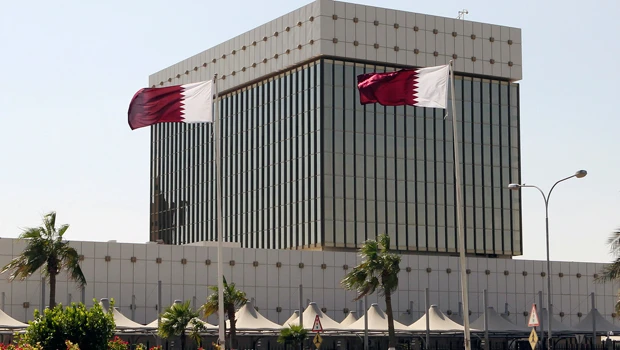
- DUBAI: Qatar’s stock market could break above its recent trading range as soon as next week if global markets, still vulnerable to the euro zone debt crisis, do not fall sharply, analysts say.
The Qatar market, reopening on Wednesday after Eid holidays, climbed 0.9 percent to 8,705 points. In the week before the holidays, it had risen above its September peak of 8,520 points, viewed as an important barrier by many investors.
Traders said strong economic growth in Qatar, high oil prices and robust performances by the country’s banks were fueling interest in the market, which could increase if the euro zone began to make headway in resolving its crisis.
“The 8,520 level had been holding the index down for the past six months but now the 8,850 level is in sight, and there is potential to even go beyond that target,” said Sleiman Aboulhosn, assistant fund manager at Al-Masah Capital. The 8,850 point area is where the index peaked in April this year.
“We expect further upside in Qatar over the next one to two weeks, in the absence of an extraordinary event,” Aboulhosn added.
Industries Qatar, Masraf Al Rayan, Nakilat and Qatar National Bank have been bought in recent trading days. These companies posted strong quarterly earnings over the last few weeks.
Qatar National Bank surged 1.6 percent on Wednesday to finish at 148 riyals, its highest closing price this year. Late last month it broke above a symmetrical triangle formed by its highs and lows since May — a bullish technical signal which targets the 160 riyal area.
“Outperformers like the banking sector are the main reason why Qatar is more resilient to international markets’ downside,” said Marwan Shurrab, vice president and chief trader at Gulfmena Investments.
“Banking stocks are correlated to government activities and spending locally.”
Samer Al-Jaouni, general manager of Middle East Financial Brokerage, said: “You could do well buying Qatar even though prices are higher than other markets...It’s justified because we’re expecting growth and higher dividends.”
Any rally in Qatar could be cut short, however, by a worsening of the euro zone crisis and signs that global economic growth is deteriorating further.
Gulf markets are “still strong in terms of earnings and growth expectations toward the end of 2011 and the beginning of 2012, which is something that will play in our favor going forward after Q3 (profit) numbers,” Shurrab said.
But he added, “The pure driver is sentiment in overseas and international markets. It’s not local sentiment, it’s not local consumption and it’s not numbers coming out that are moving the market. People are looking at global growth, and will it be affected going forward or not.”
UAE markets were the only other Gulf bourses to resume trading on Wednesday; others will reopen next week. The Dubai index rose 0.4 percent but trading volumes generally stayed low, showing sentiment remains fragile.
One positive sign on Wednesday was the performance of Abu Dhabi developer Aldar Properties, which rose 1.9 percent in active trade after it reported slightly better-than-expected third-quarter profits before the holidays. The company posted a profit of AED144 million for the quarter compared with a net loss of AED731.2 million a year earlier; analysts had on average predicted a profit of AED139.8 million in the latest quarter.
An important issue for the market is how indebted Aldar, which obtained a $5.2 billion rescue package from the Abu Dhabi government in January, copes with the maturity of its $1.1 billion Islamic bond due on Thursday.
The sukuk last traded only marginally below par, showing investors are betting Aldar will repay the issue on time even if it means obtaining more aid from Abu Dhabi.