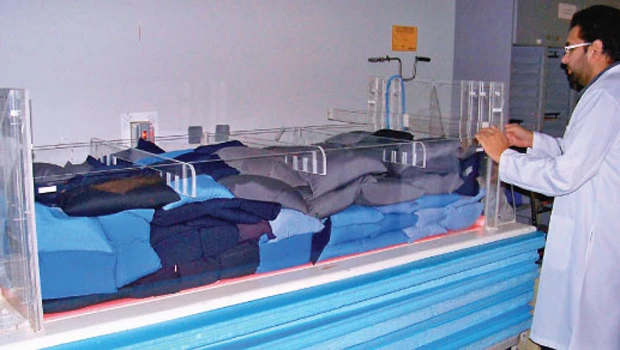
- The radiotherapy center at King Fahd Specialist Hospital in Dammam has recently earned the International Atomic Energy Agency’s TLD certificate.
- The award was presented to the hospital after the successful completion of a series of tests to confirm both the calibration and quality of the used devices in radiotherapy.
With the obtained certificate, the hospital has the first qualified radiotherapy center to provide its services in the Eastern Province.
The head of the center stated radiotherapy is one of the most successful modern medical methods used partially for the treatment of cancer and malignant tumors.
He said radiotherapy is usually used in pre-surgical procedure stages to minimize and reduce the size of the tumor before its eradication. Radiotherapy might also be incorporated into surgery by applying a high amount of radiation to the tumor through a mobile device during surgery to ensure the targeting of an intense high volume of radiation to the cancerous cells. Alternatively, radiotherapy might be applied after the surgical procedure to eliminate the remaining of any cancerous cells that are not visible with a microscope. He mentioned that radiotherapy was also used as a palliative treatment to reduce the pain resulting from tissue damage, secondary to tumor spread in its terminal stages.
The director assured that radiotherapy was similar to X-ray in terms of pain, and that it takes a few minutes to complete with an average of one session per day for five days a week, mentioning that the patient usually needs a treatment period of 47 weeks, in which he is examined twice weekly to check how the tissues respond to the treatment.
He also spoke about the therapeutic journey for the radiation therapy patient, explaining that after receiving the referral case from an outpatient clinic or other hospital, a medical consultation team composed of physicians, surgeons, and specialists from different disciplines take charge in setting the patient radiotherapy treatment plan. Later on, the patient undergoes a high-resolution CT scan to diagnose the treatment area by marking temporary signs on the patient’s skin in order to protect the healthy tissue from being exposed to radiation complications. Consequently, the final results and data are sent to the medical physics department to calculate the dose measurement splitting to ensure its homogeneity on the treated area, and to determine both the required number of treatment sessions and appropriate posture of the patient during radiation therapy.
The final diagnosis comes in through checking the images of the dose distribution to ensure its targeting to the tumor positions. Then, the therapeutic radiation phase starts by positioning the patient according to the agreed posture and in a customized plastic armor, made according to the size of every patient. The armor is placed on the patient — especially in the radiation treatment area of the patient’s head and chest — to ensure that the radiation rays stay on their designated path and to prevent injury to the patient’s healthy tissues. Finally, a radiation field area is opened to begin the radiation beams emitted by the radiotherapy device to penetrate the infected tissue by directing the radiation beam accurately to eliminate the tumor.
The head of the radiotherapy center listed the possible side effects of radiotherapy, explaining that the complications varied depending on the type, location and the degree of the cancerous tumor infection, and that the side effects were confined to skin problems, such as skin redness and inflammations.
In conclusion, the head commended the modern hospital technology and the outstanding performance of the radiation therapy department staff, assuring that the department’s TLD certificate in the radiotherapy devices’ calibration and quality would create the opportunity to participate in global treatment protocols with commissions, European specialties and international medical specialties. This would make King Fahd Specialist Hospital in Dammam the most advanced radiotherapy center locally and internationally. The International Atomic Energy Agency grants radiotherapy centers the TLD certificate after subjecting these centers to rigorous testing to calibrate the percentage and quality of the radiotherapy devices through small capsules placed under the radiotherapy devices to calibrate therapeutic radiation unit and then compare it to the correct radiation measurement.