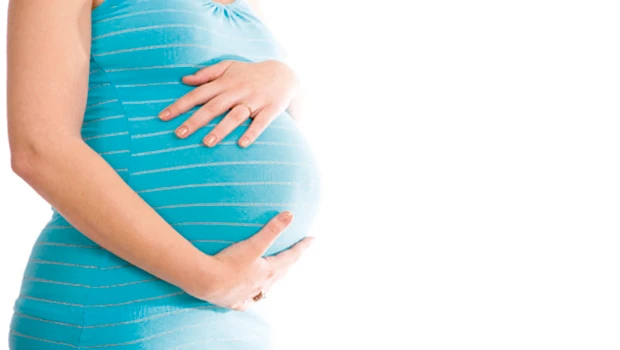
- For the last two weeks, I have been discussing gastric problems (morning sickness, acid reflux, gas, indigestion, constipation, hemorrhoids), which irk mothers-to-be most of the time.
- Unfortunately, there are other common disorders like edema, hypertension, anemia, weight gain and obesity, gestational diabetes, varicose veins, leg cramps, bleeding gums, sleep disturbances and stretch marks, which should be addressed with adequate approaches to reduce the risk of complications for the mother’s health and baby’s growth during pregnancy and after delivery.
Today, I opted to explore edema, hypertension and anemia, disorders that can lead to major chronic diseases. Because pregnancies can take a toll on women’s health, mothers-to-be should have regular checkups by specialists to prevent undesirable consequences. I shall start right away.
• Edema is the medical word for fluid retention in the body, the extremities in particular. This condition can occur during pregnancy. It usually indicates health imbalances and if not treated, it can lead to other health hazards. During the last trimester, legs, feet and hands swell with water retention, a condition that should be checked by the treating physician.
The diet again is important here. Salt intake should be restricted along with processed meat and pickled and canned foods. Water should be increased. High salt intake depletes potassium and leads to hypertension, a condition that is not welcome during pregnancy and therefore, should be closely watched.
Depleted potassium should be replaced with such foods as apples, asparagus, cabbage oranges, tomatoes, bananas, dates, kelp, alfalfa and coconut water.
Due to their good effects on the liver, the B vitamins (50mg twice a day and B6 in particular) should be prescribed to prevent water retention and swelling of hands and feet.
Vitamin C (500mg twice a day) increases the efficiency of the lymph glands, which help eliminate excess fluids and toxins from the body.
Quercetin is a flavonoid found in apples and onions or in supplement form improves the blood circulation.
Dandelion, greens and herbs in small amounts or doses help eliminate excess body fluids through their diuretic properties.
Garlic supplement (200mg twice a day) reduces swelling and edema.
Reflexology and gentle lymph massage increase the flow of fluids and decrease swelling.
Moderate activity like walking and swimming also enhance the dissipation of fluids. Shoes should be comfortable and low heeled.
If left untreated, edema can lead to hypertension during the third trimester, increasing health risk to mother and fetus.
• High blood pressure is also called hypertension, preeclampsia and toxaemia. It can happen during the last trimester due to water retention, too much protein and sodium intake, poor hydration, nutrient deficiency, the pressure of the baby, high blood volume, carrying more than one baby or being too young or an older mother. High blood pressure is usually diagnosed by the treating specialist through a gauging apparatus called sphygmomanometer. The condition should be addressed immediately. The following natural approaches are effective in lowering elevated blood pressure.
Adequate water intake and salt restriction are two necessary steps to take. Dietary supplements of fish, nuts, powdered flaxseeds and their oils are required for their essential fatty acids, especially omega-3. On the other hand, trans fatty acids found in margarine, fried foods, overheated vegetable oils and off-the-shelf bakery goods are harmful and should be avoided.
Calcium (500mg) and magnesium (500mg), taken twice daily, seem to relax arterial pressure and prevent and lower risk of hypertension. A good quality prenatal multi-nutrient supplement that includes vitamins B2, B3 and B6 is necessary to keep the mother’s body well nourished.
Vitamins C (500mg) and E complex (400IU) are two powerful antioxidants that counteract free radical damage. C, in particular, is needed for nutrient absorption and many body functions. It is important that the mother gets adequately supplied with a variety of nutrients and phytochemicals; the baby reaps these benefits as well.
• Anemia is among the many common pregnancy disorders that should be watched for. It is a blood disorder where the red blood cells reach a low level, depriving the mother’s body of oxygen. The mother feels fatigued and low on energy, becoming more susceptible to dizzy spells and falling ill. Because the fetus is dependent on the mother, he or she also gets deprived of oxygen rich blood, which is vital for his/her growth. That is why doctors are always cautious about anemia and prescribe iron supplements to all new mothers to prevent the consequence of the blood disorder.
Folic acid, the precursor of iron, is an important nutrient for fetal development. A deficiency in the mineral can lead to spinal malformation and death of the fetus. The most known one is spina bifida, where the spine does not develop properly, an unfortunate outcome. Folic acid deficiency in the father prior to conception can predispose the fetus to be born with Down syndrome, a mental disorder.
Foods abundant in iron are important to include in the diet. The mineral is found in high amounts in animal livers, especially calf liver. Folate in leafy green vegetables, dried fruits (raisins, prunes, figs), eggs, strawberries, cashew nuts, seaweed, cabbage family, leeks, wheat grass and cherries is converted into iron by the body. There are other foods like spinach, tomatoes, rhubarb and chocolate, which contain iron, but because they are also high in oxalic acid, which inhibits the assimilation of other important nutrients (calcium), they are not recommended during pregnancy.
Iron supplements should not be taken on an empty stomach as the mineral irritates it and increases morning sickness, acid reflux, indigestion and constipation. It is recommended to take it within the evening meal before bedtime to reduce its irritating effect. To increase iron absorption, the new mother should have a meal high in vitamin C or take the supplement with fresh orange or kiwi juice or along with C supplement. The mineral is best assimilated within an acidic medium.
There are substances and foods that should be ignored during pregnancy. Caffeine, found in coffee, tea and cocoa (chocolate) and soda drinks, could be harmful to the fetus in high amounts because it interferes with the absorption of the mineral and protein. Iron should not be taken simultaneously with dairy products or food of high fiber content, because they also block its absorption.
I have been discussing, in the last two articles, some of the many ailments, which occur during pregnancies because of hormone changes, pressure of the baby on the mother’s internal organs and nutrient deficiencies. The natural cures I suggested earlier should relieve some of the symptoms and deter them from becoming chronic after delivery. However, I would like to emphasize that your BEST remedy is water, water and water!
Next week, I shall pursue with the other disorders, InshaAllah. Taking care of health makes pregnancy a joy!