- The Saudi ranger on protecting AlUla’s existing wildlife — and hoping to introduce more
DUBAI: Out in AlUla’s protected reserves, head ranger Mohammad Al-Balawi spends his days tracking gazelles he rarely sees, reading the land for signs of life, and coordinating teams that patrol the wilderness around the clock.
As head ranger in the Royal Commission for AlUla’s Wildlife and Natural Heritage department, he splits his time between being out in the field and managing his team.
“Being a head ranger means staying closely connected to both the field and the team,” Al-Balawi tells Arab News. He tracks where each group is operating throughout the day, following up in person, by radio and through field-monitoring systems.
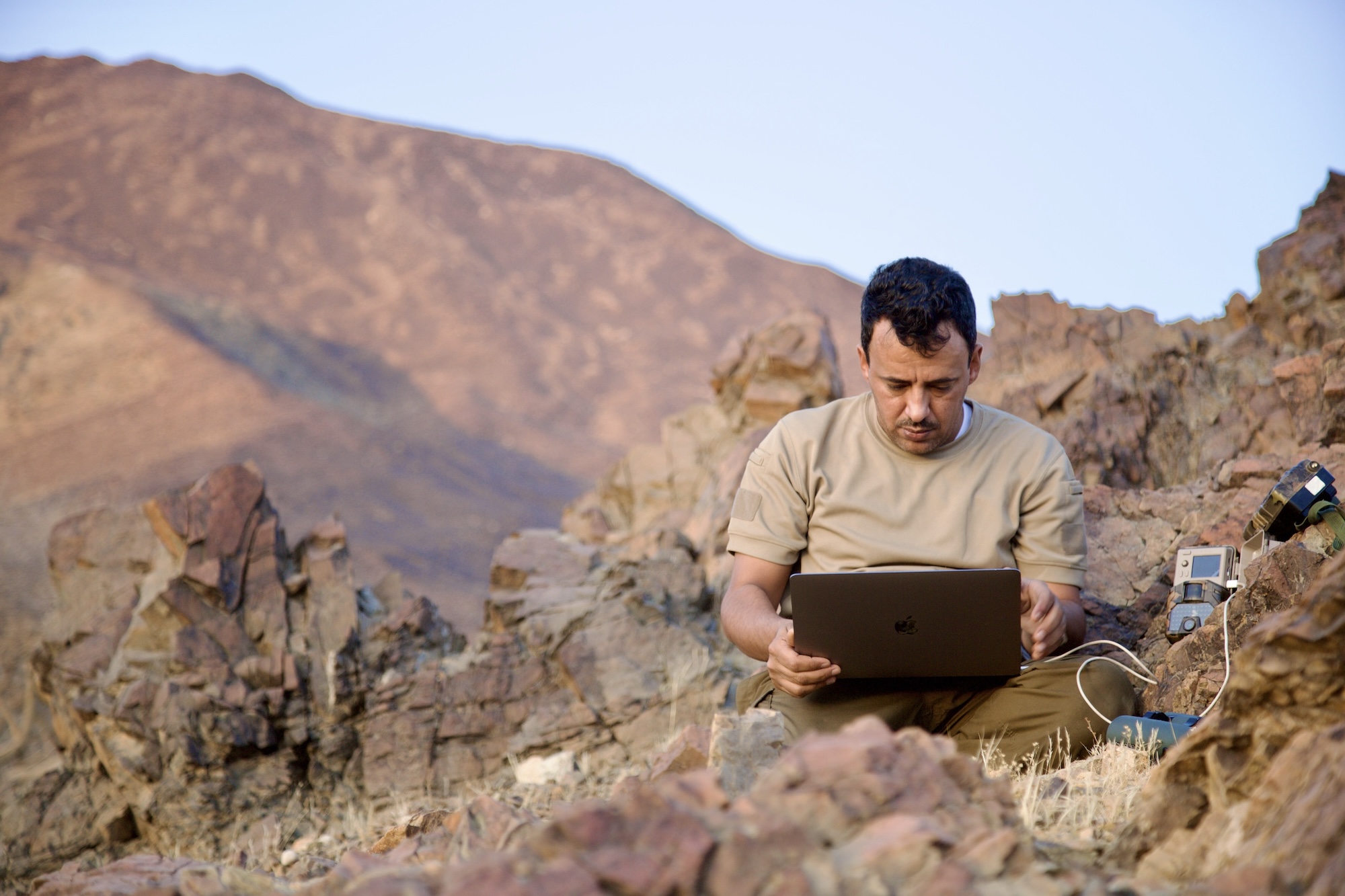
“I have always been passionate about nature, even before becoming a ranger, so being out in the field and supporting the team is something I genuinely enjoy,” he says.
As a native of AlUla, he finds comfort in the same landscapes he protects. “For me, AlUla is my oxygen, life itself — it is the air I breathe.”
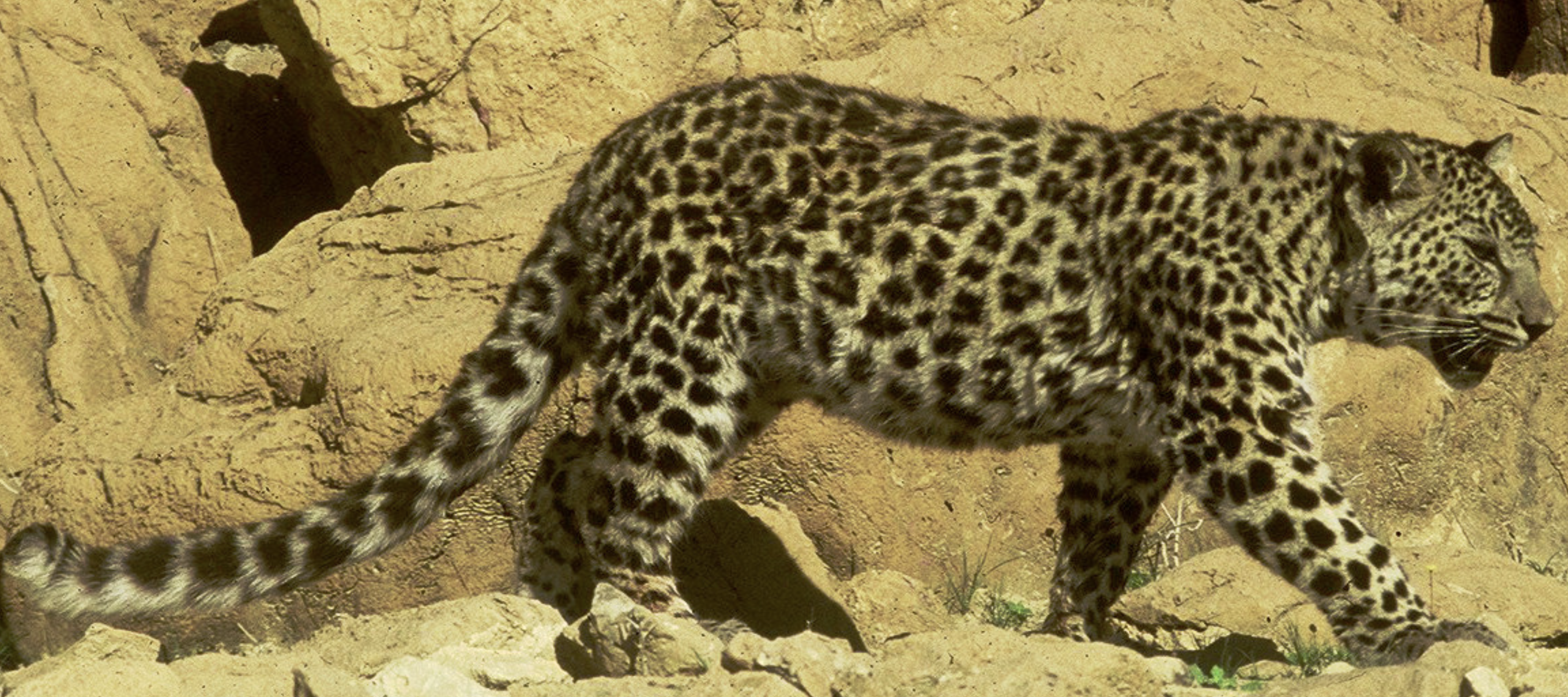
Al-Balawi joined the RCU in February 2019 and took part in the launch of Sharaan Nature Reserve, which he says “marked the beginning of AlUla’s journey to establish and protect its nature reserves.” That journey has since grown beyond just protecting what is there: one of AlUla’s most ambitious current goals is to restore the conditions that will hopefully support the reintroduction of the Arabian leopard into its protected areas.
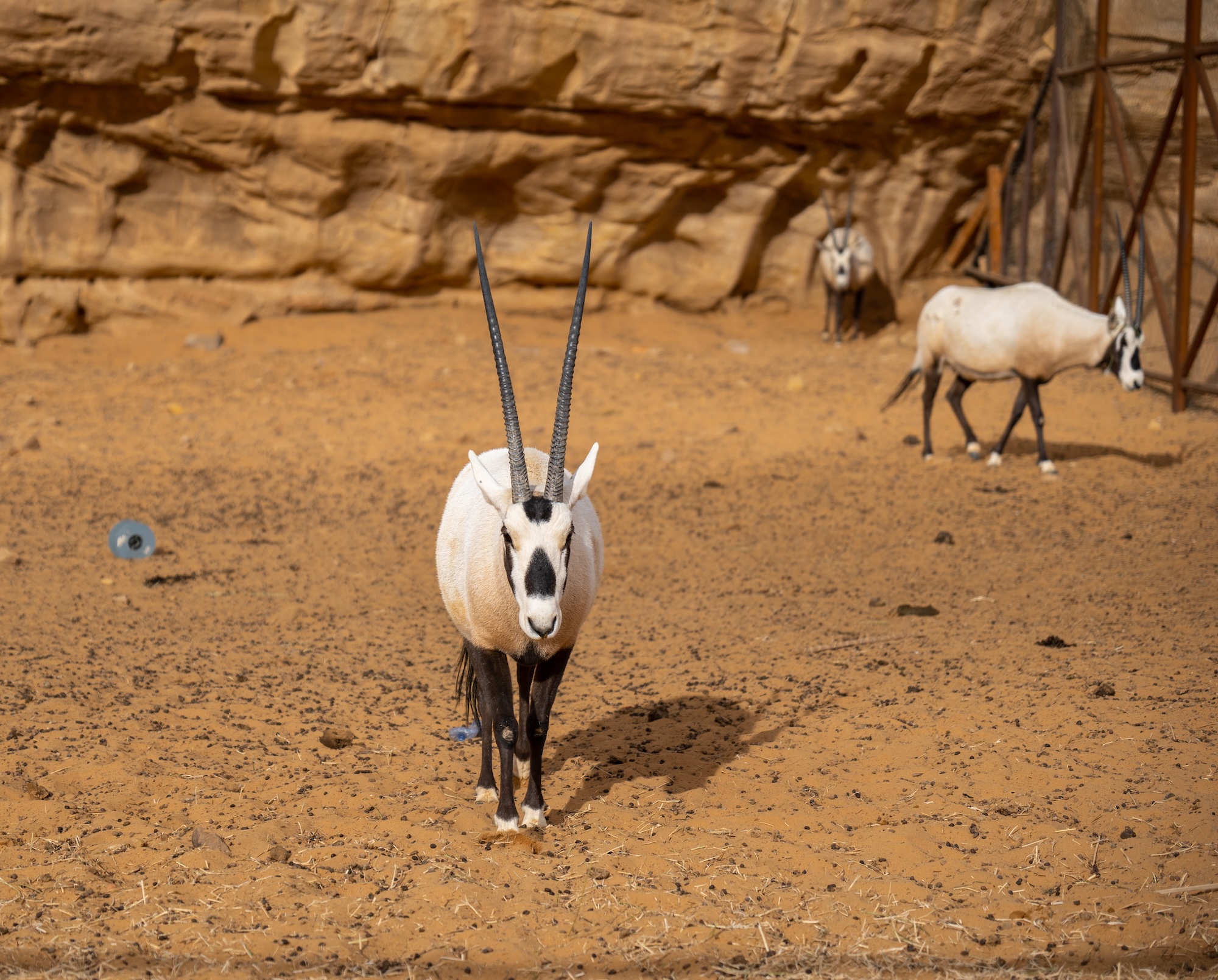
“That includes ensuring a healthy and sustainable prey base and maintaining the natural conditions it will need to survive,” Al-Balawi notes.
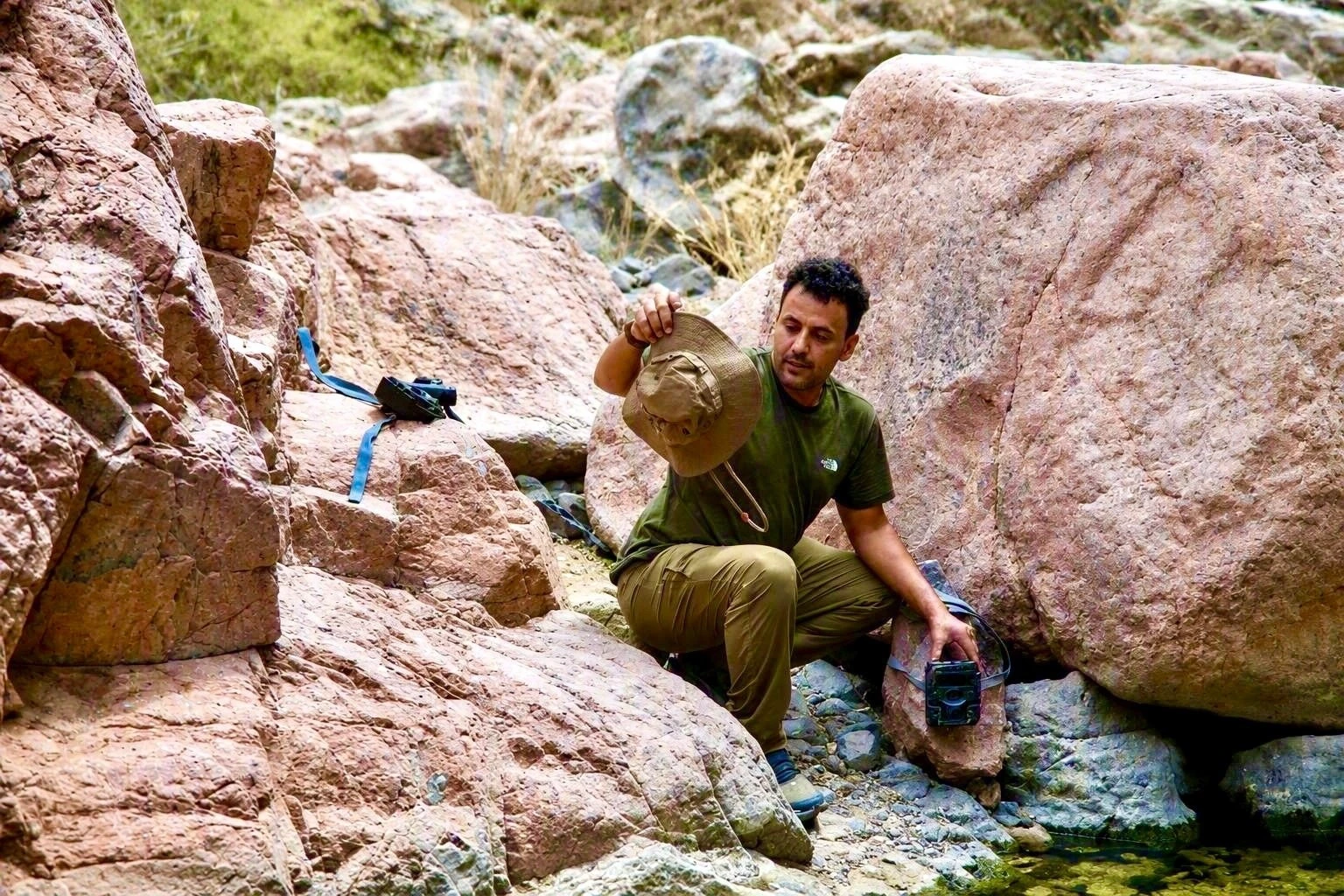
Much of the rangers’ time is spent out of sight. They use camera traps to observe wildlife including mountain gazelle, Arabian oryx, Nubian ibex, wild rabbits, and rock hyraxes without disturbing them.
“Wild animals are naturally wary, and we try not to disturb them in their habitats, as people can be perceived as a threat,” Al-Balawi explains. The mountain gazelle, a priority species, is difficult to track directly, so cameras placed across the reserve help rangers map its movements. The same cameras reveal how species share the land — one plant, he noted, draws both gazelles and a species of wild rabbit. “Observations like these help us better understand how different species use the same habitat,” he says.
Visitor access is carefully managed and limited to designated areas, with routes shaped around each guest’s interest, whether that’s wildlife, birds, plants or geology.
“Some areas are particularly sensitive and more closely protected, so access is more limited to help reduce environmental pressure,” Al-Balawi says. Ultimately, he wants every visitor “to leave with a stronger connection to the landscape and an understanding of the shared responsibility to safeguard it.”
The reserve isn’t just focused on wildlife. Its trees are as important as its animals, and rangers protect them from overgrazing, stripping, and people cutting them for use as firewood.
“One of the biggest challenges is the scale and complexity of the landscape,” says Al-Balawi. “Rangers monitor large areas and respond to a range of pressures, from illegal activities to environmental impacts.” A landscape that size, he says, “requires continuous coordination and teamwork.”
That teamwork is sometimes tested in the field. One day, in a remote area away from the vehicle, a colleague was bitten by a snake while the pair installed monitoring cameras.
“In a situation like that, staying calm and following the appropriate emergency procedures is critical,” Al-Balawi says. The incident, he adds, was “a reminder of both the unpredictability of working in the field and the importance of being prepared and looking out for one another as a team.”
Much of that preparedness was built abroad. Al-Balawi trained in wildlife and protected-area management at Mweka College of African Wildlife Management in Tanzania and at the University of Costa Rica.
“Ecotourism was an important area of focus, particularly in understanding how protected areas can be managed in a way that supports both conservation and responsible visitor experiences,” he says.
Away from the reserve, he makes a point of switching off. “I make a conscious effort to leave the pressures of work behind and keep my family time separate,” he says. “Staying active is important to me, so I enjoy exercising, as well as traveling, exploring new places and heading out on trips into the wilderness.”
His role as a ranger, he adds, goes beyond being simply a career. “It is a passion, a commitment and a responsibility to protect our land, its wildlife and natural heritage for our children and future generations.”