- The acclaimed Saudi artist discusses some of her favorite works
DUBAI: “I’m not sure that ‘conceptual art’ is a term I use in my mind,” Saudi artist and designer Bashaer Hawsawi tells Arab News. “(When I began exhibiting) people told me, ‘You’re doing conceptual art.’ And I said, “What do you mean?’ I didn’t know what conceptual art was. I’m just doing what I feel, you know?”
For Hawsawi, that usually means creating works that utilize materials with a personal connection. She has a number of ongoing series — including perhaps her best-known body of work, “Cleansing,” in which she works with brooms and brushes — and says she works on each of them annually “just to improve them.”
“Each series means something very close to my heart, and shapes my life experience. So each one is very dear to me,” she says.
Hawsawi cites a course she took at Hayy Jameel as being responsible not only for convincing her that art was what she wanted to focus on professionally, but also for shaping her practice. It was there that she started to ‘review’ her own work.
“After completing each artwork, I write — or record myself talking — about why I’ve done it and what I could change, for example. It really helps me. It’s like I’m my own journalist. I do it because I want to listen to myself first — to be very close to myself. I think art makes me a person that’s very (self-aware). I don’t think like other people, maybe because I talk to myself a lot and I write a lot, so I know what’s going on within. If a person knows what’s going on inside, then someone from outside can’t change who you are, because you already know who you are.”
‘My Gift to You is a Garden’ from the ‘Cleansing’ series
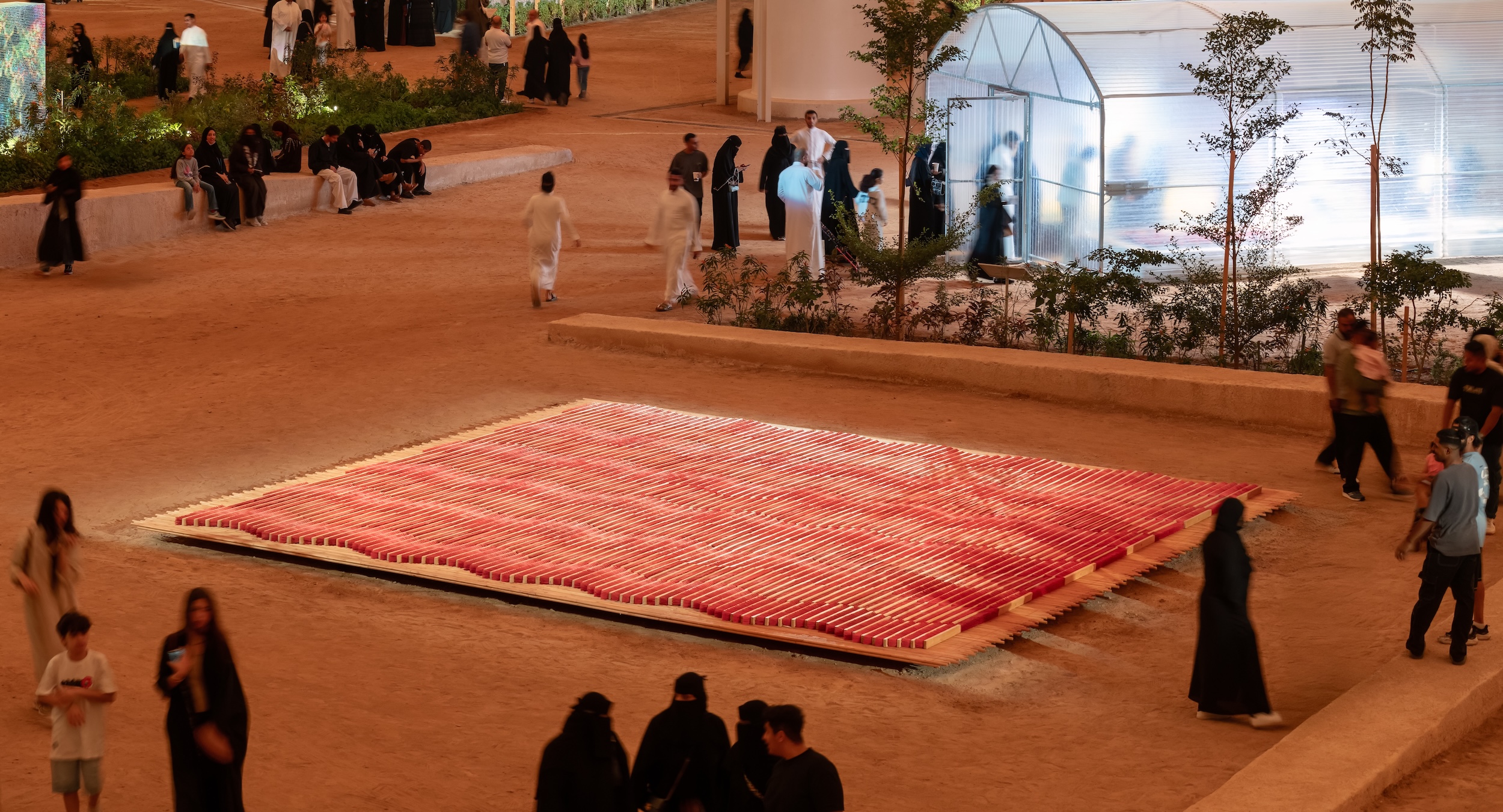
This series is very personal to me, because when I was a little younger, I didn’t who I was, exactly. Like, from within, you know? People called me shy. But I know that I’m not shy. I just don’t like to (talk for the sake of talking). So I wanted to discover who I am without friends, family, or anyone. I didn’t want anyone to see this or know about it because it’s personal. And I express how I feel with materials — something that’s around me. So the “Cleansing” series is from my environment, my home, my community. And it’s about feelings of letting go of the old me or of something that doesn’t serve me to be a better person. I’ll arrange the brooms in my studio, and any time I feel discomfort or annoyed I change the arrangement until I feel comfortable. That’s why there are a lot of different shapes and arrangements in the series. It’s kind of a ritual to me. I just want to understand or let go of something from within. I want to know it. I’m making my own world just to understand it, and feel OK with it. I don’t plan it out. When I’m in the process, I don’t see that I’m making a kind of form. And then, when I finish, I see “Oh, it’s an artwork! I didn’t know that.”
This specific piece is inspired by our garden at home — we had a small garden. And our house would always get dirt from the garden in it. So my mother would ask us to clean all the time, so we had a lot of different brushes in the house. So when people ask, “Why all these brushes?” it’s because I saw them every day in my home. And it’s also linked to spiritual cleansing.
The ‘Qanfager’ series
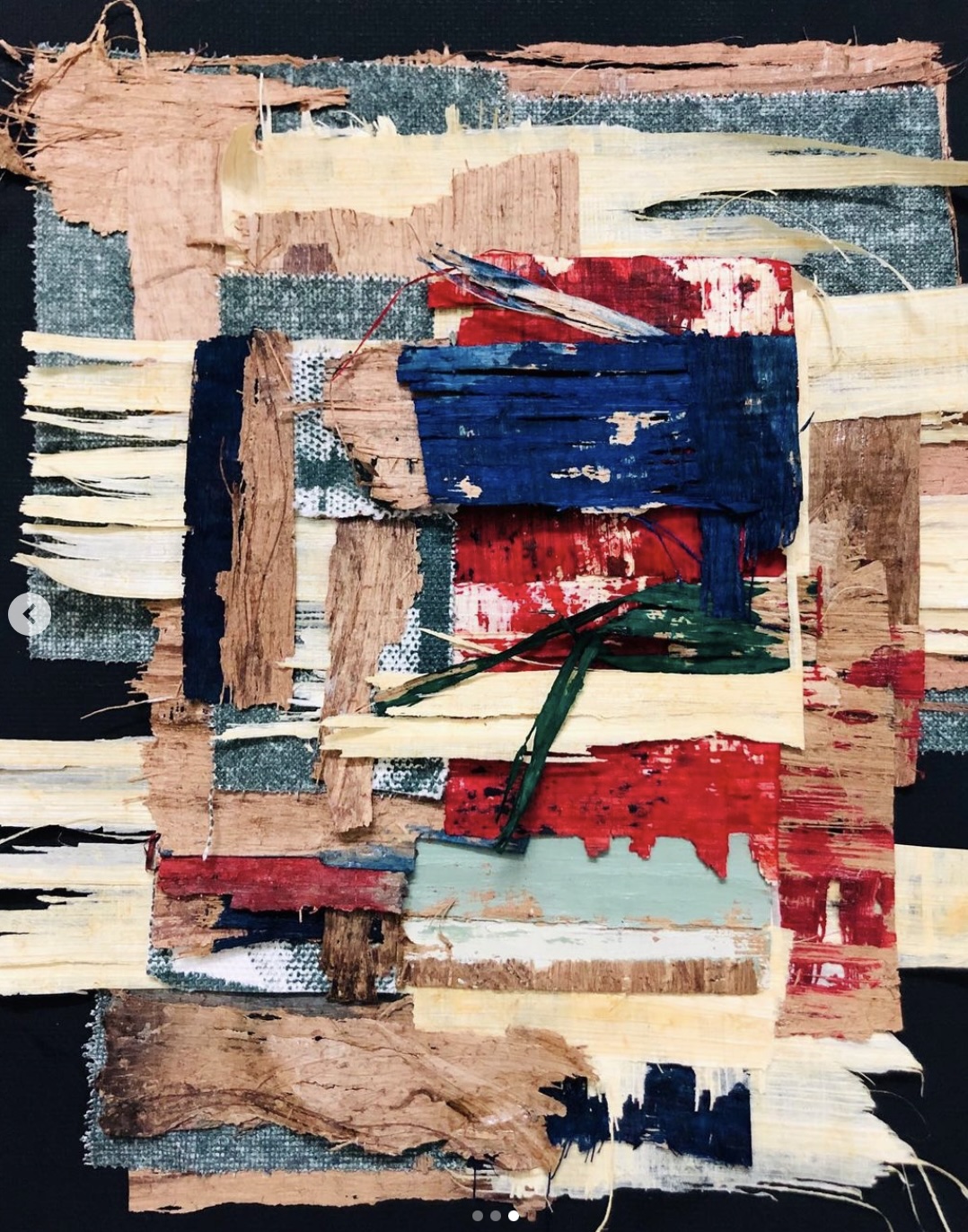
“Qanfager” is one of the Arabic names for papyrus paper. I started to use this paper after I’d been working with metal a lot. When I work with materials, I feel like they represent something I feel from within. At one time in my life, I felt strong but fragile at the same time, and I couldn’t accept that. I thought I had to be strong or weak; I couldn’t be both. But I think with this paper I learned a lot about how to accept myself — or maybe something in life that I don’t like but have to accept, to let go of. Like, maybe something that’s already died and I have to accept that something new will come. I didn’t know people would react so strongly to this series, this paper. It’s one of my best-selling series. But I feel like, through it, I’m really sharing a human feeling with others.
‘Let’s Play Well’
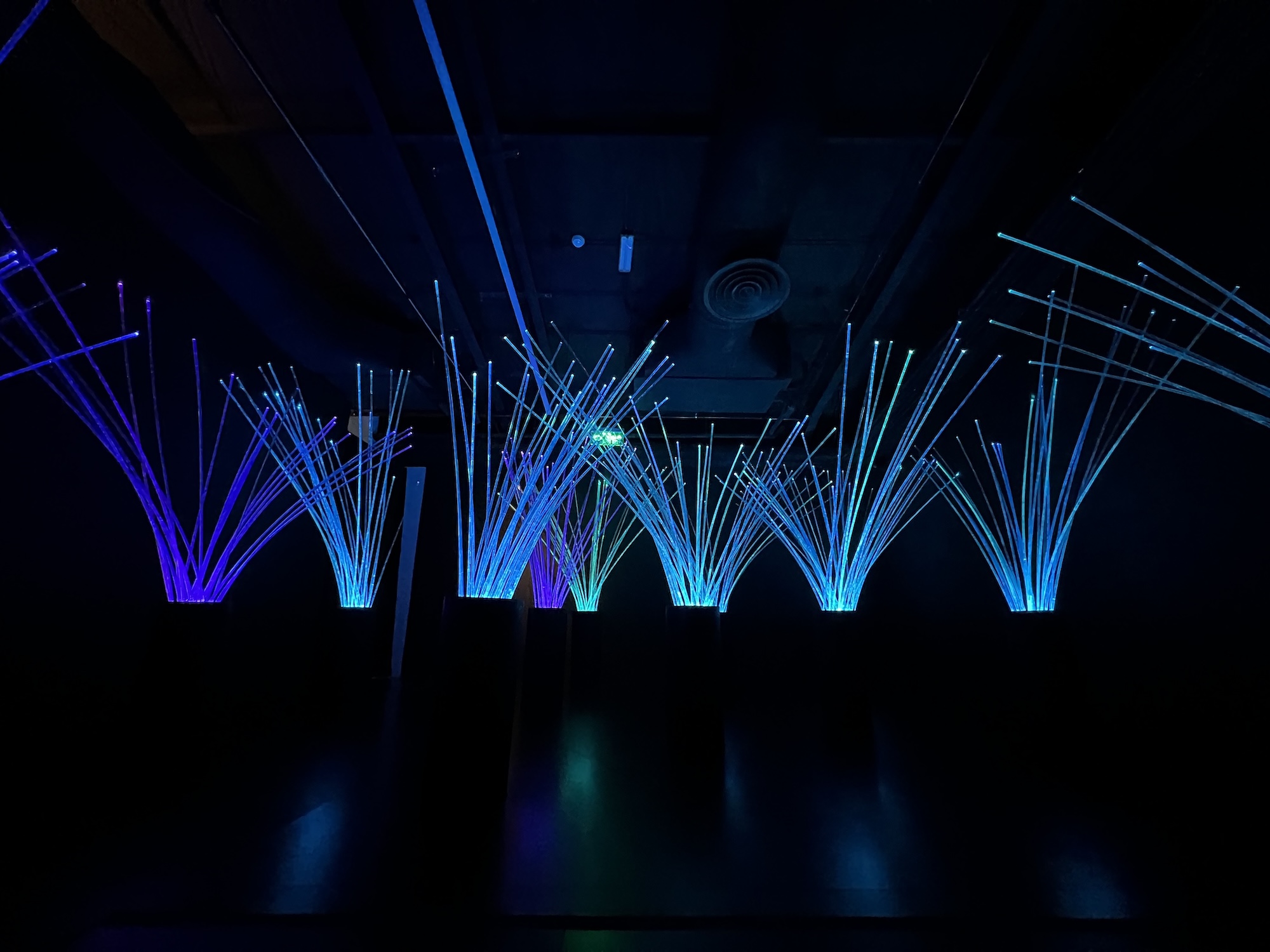
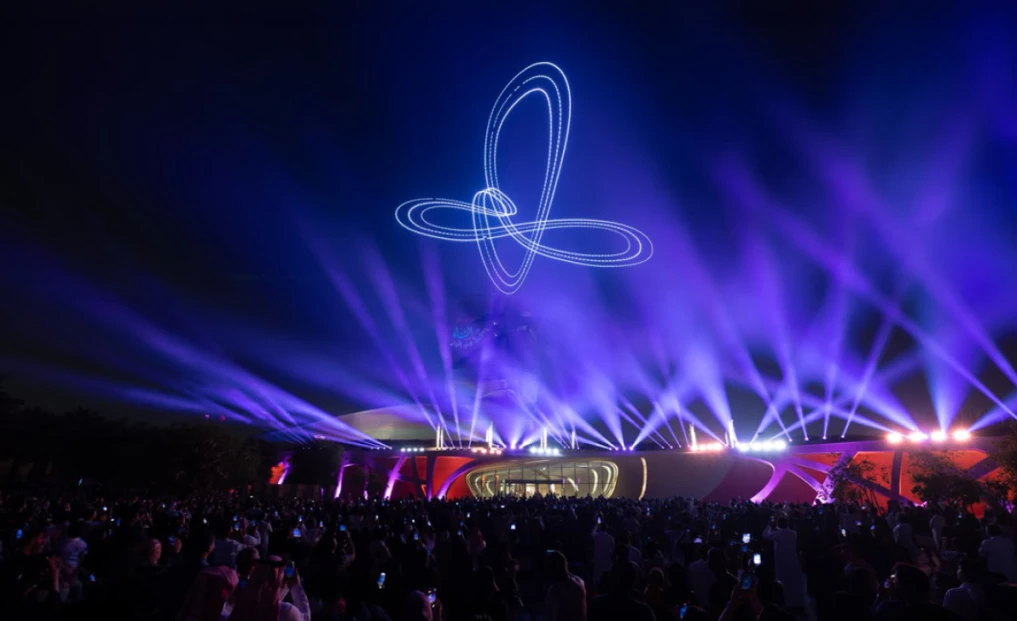
This was my first public outdoor artwork. It was for Noor Riyadh (the annual light-art festival) in 2023. It’s a very nostalgic piece, because it’s inspired by laser pens — a toy that was very famous here. I used to love this toy. We’d just wave them around in parties. It was very moving for me to do work about a toy from the past that brought me joy. And I made this piece for a reason: at the time I was just working a lot; I couldn’t find time to rest, or stay with my family, or just play. And I really love playing. In the past, I wouldn’t have wanted someone to see me playing as an adult. But now, it’s OK. I just want to have fun. I’m working a lot. I need fun in my life. It’s important.
‘Eat Sand — I Don’t Eat You’
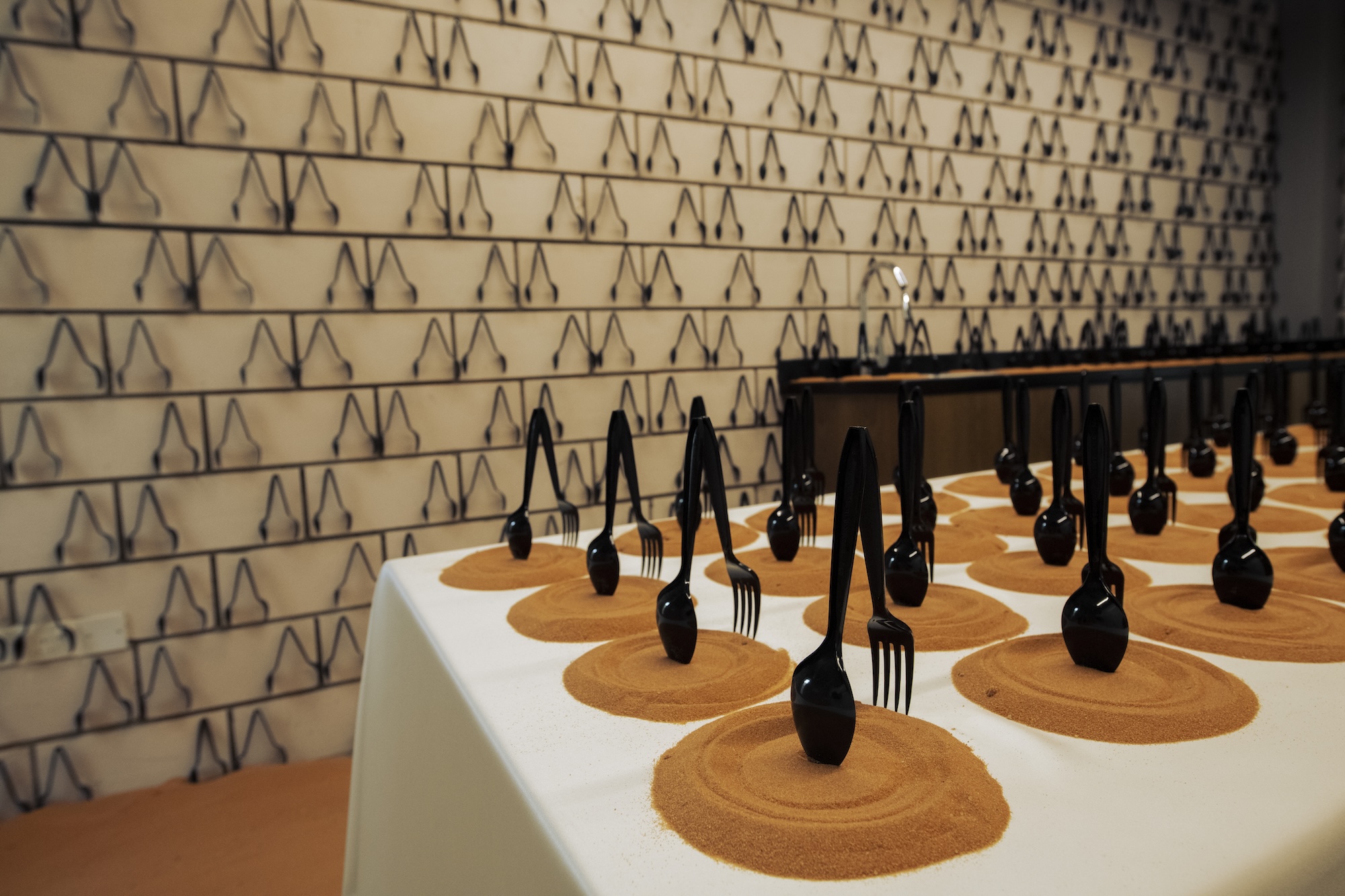
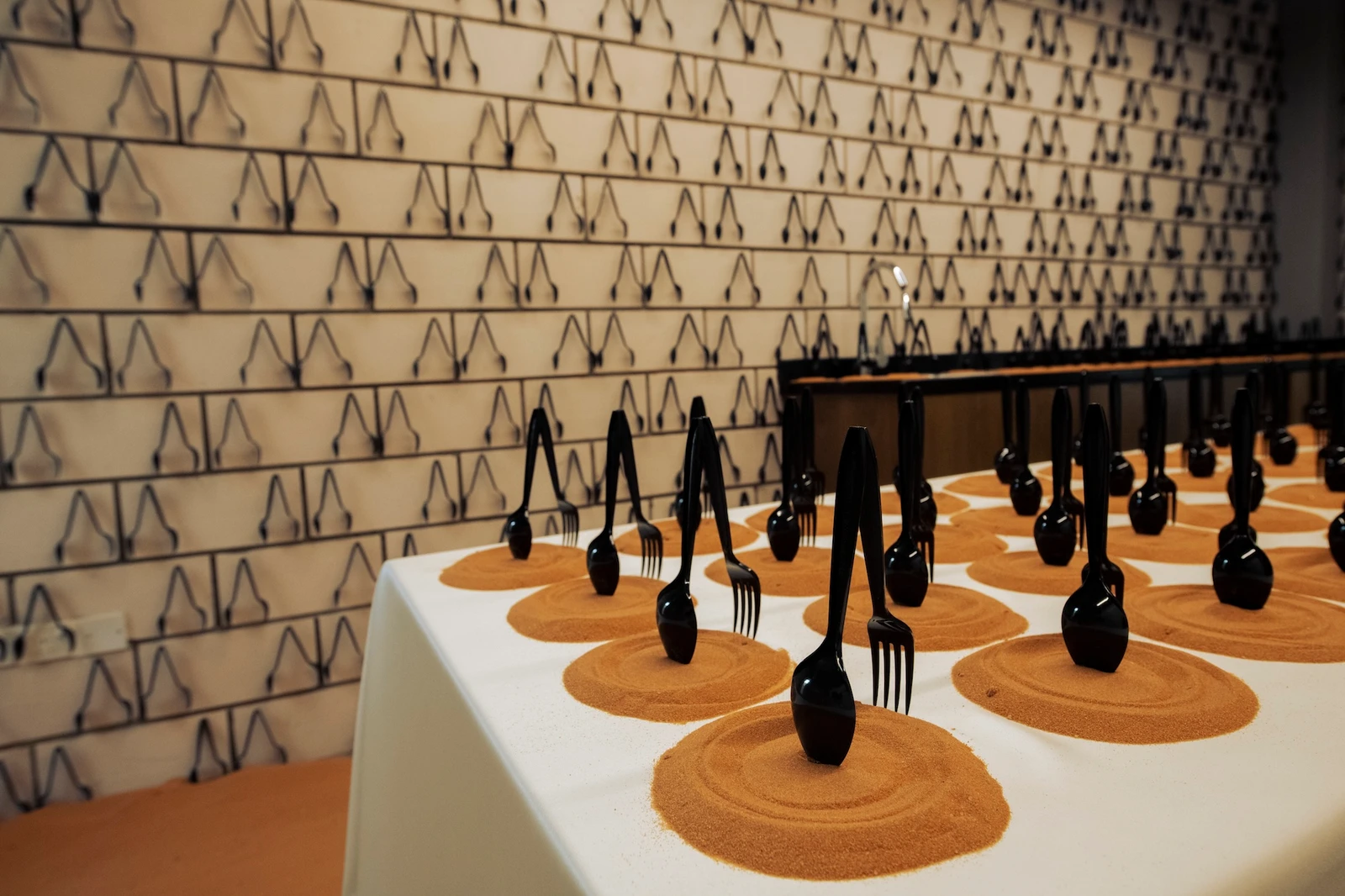
This was made during my first residency in Saudi Arabia, at Misk in Riyadh. My mentor told me something that really hit me intensely. She said: “Bashaer, how long do you need to talk about yourself and your problems? Stop doing this and look around you. What’s going on in the world?” It was a wake-up call. And I’d said I wanted to do a project with sand — I love sand, I don’t know why. So I was doing some research, and I read that people in Haiti used to eat a kind of mud sand as cookies. And that made me really sad, to think about that and to see that I didn’t know about it — I was really just into myself and my problems. So I wanted to highlight this — not just to tell people “Look at this.” But also to say that we can be calm about what happens in our lives. There are bigger problems.
‘Holy Thirst’ series
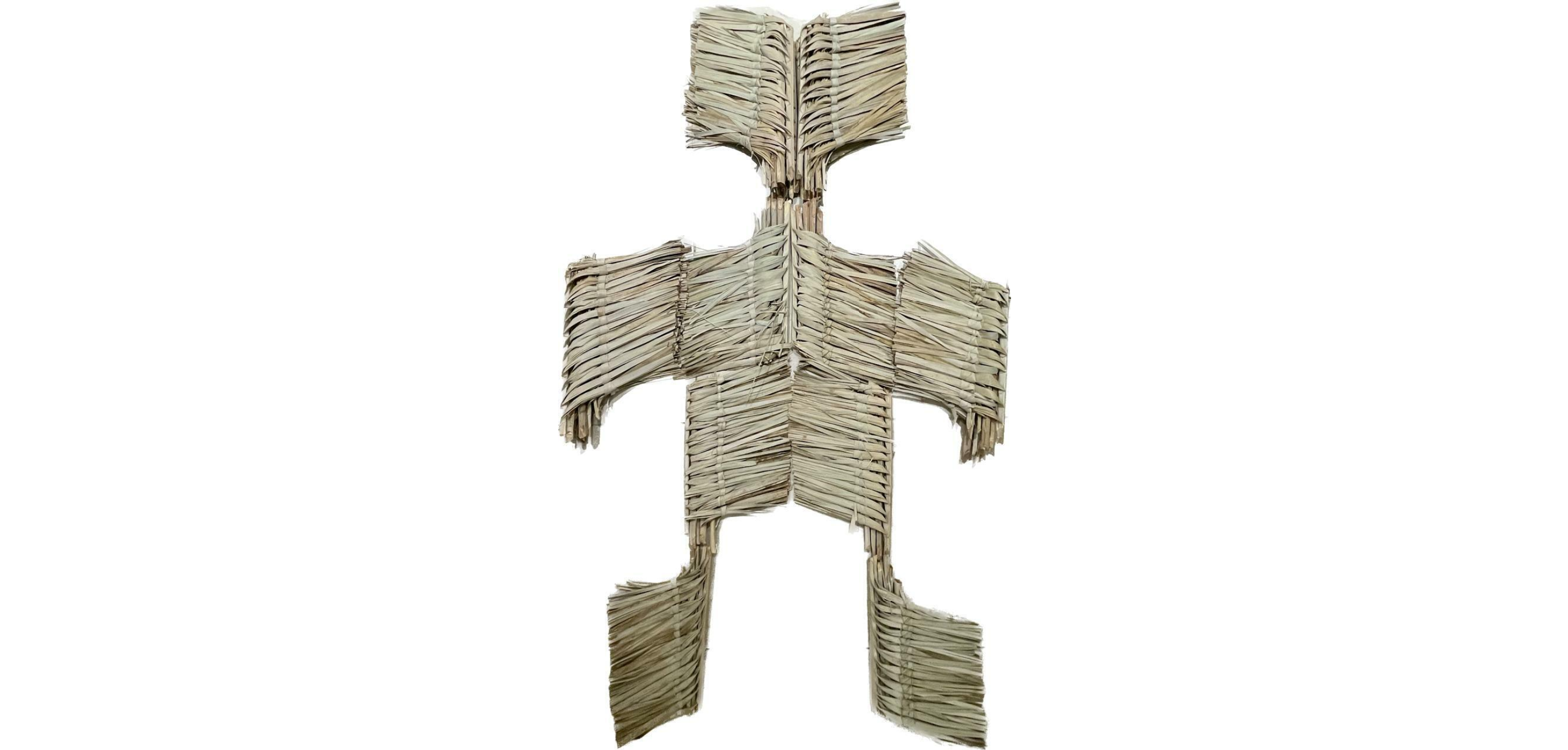
This series uses wicker brooms. I actually started this before the “Cleansing” series. The nickname of my mother’s family was “Al-Khusfi” (an ancient weaving craft). That’s the work they used to do in Makkah. They would take the palm fronds and dry them, then weave with them. The women would gather and weave together on the floor. And my mother used to have a broom made of this material. I love the line in it. It’s kind of sharp, but it’s not organized, so the brooms aren’t identical, so I had to buy a lot and then compare them. But the work’s also talking about my own history, things from my past that I wanted to express. This piece in the image was the first one I made, and I kind of saw myself in it — like, my reflection. I was afraid at first. Like, ‘Oh! Who are you?’ But now I know that I’m drawing myself through this material — how I see myself from within to outside. A self-portrait, really, instead of painting, because I don’t know how to paint.