- Ismail Albukhari ‘specializes in genre films’ and feels range of Saudi movies is too limited
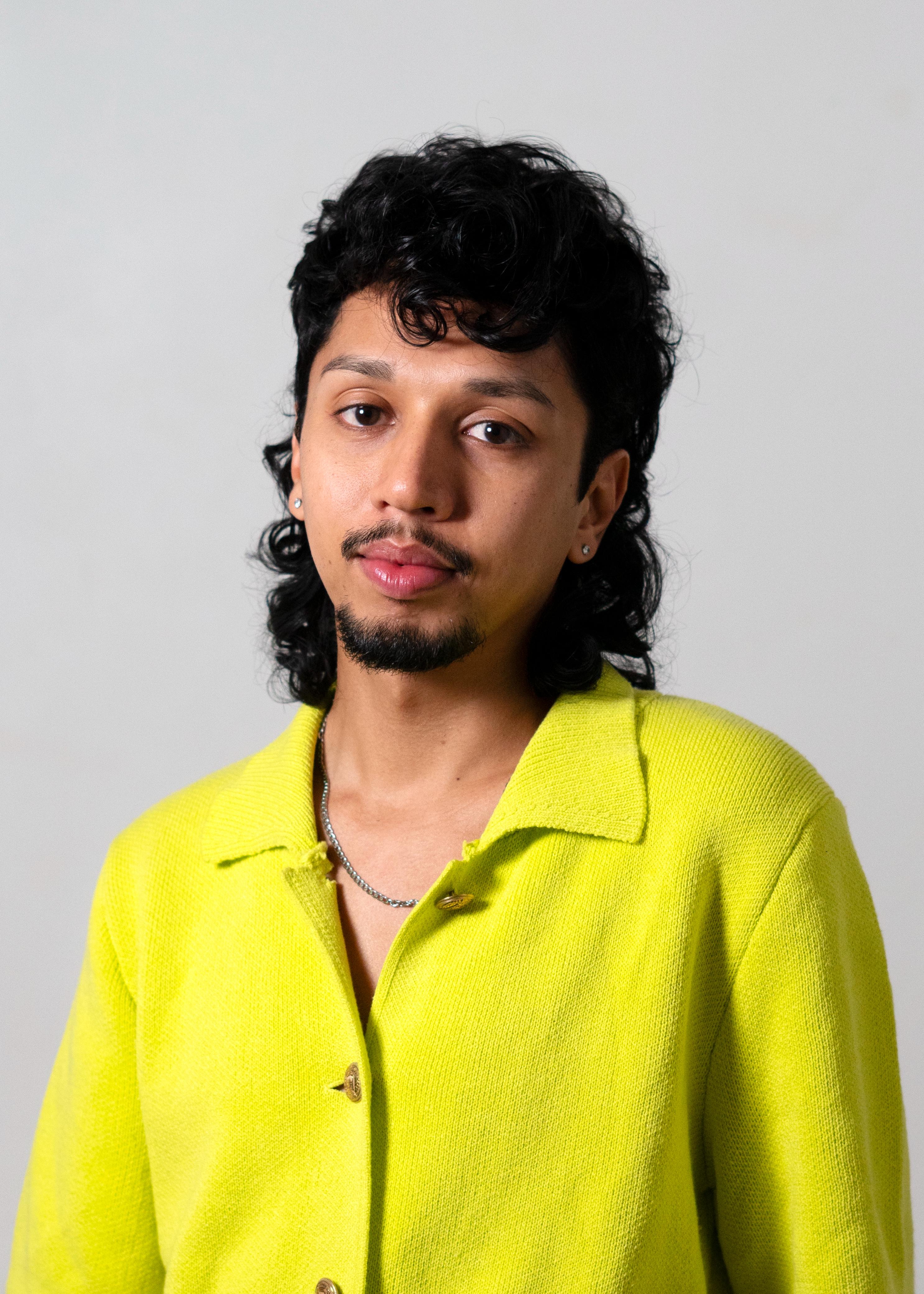
DHAHRAN: Saudi filmmaker Ismail Albukhari’s latest short film “Synthetic,” which premiered at this year’s Saudi Film Festival, will screen on Oct. 13 as part of the official selection at this year’s New York Shorts International Film Festival.
Albukhari is currently based in NYC, studying for a master’s degree in directing at NYU Tisch School of the Arts. But he still has Saudi Arabia, and Saudi audiences, on his mind.
“I specialize in genre films — so if you’re looking for something deep and dramatic, that’s probably not me,” he tells Arab News. “In the Saudi film industry, we barely have any genre films. So it’s a good advantage for me.”
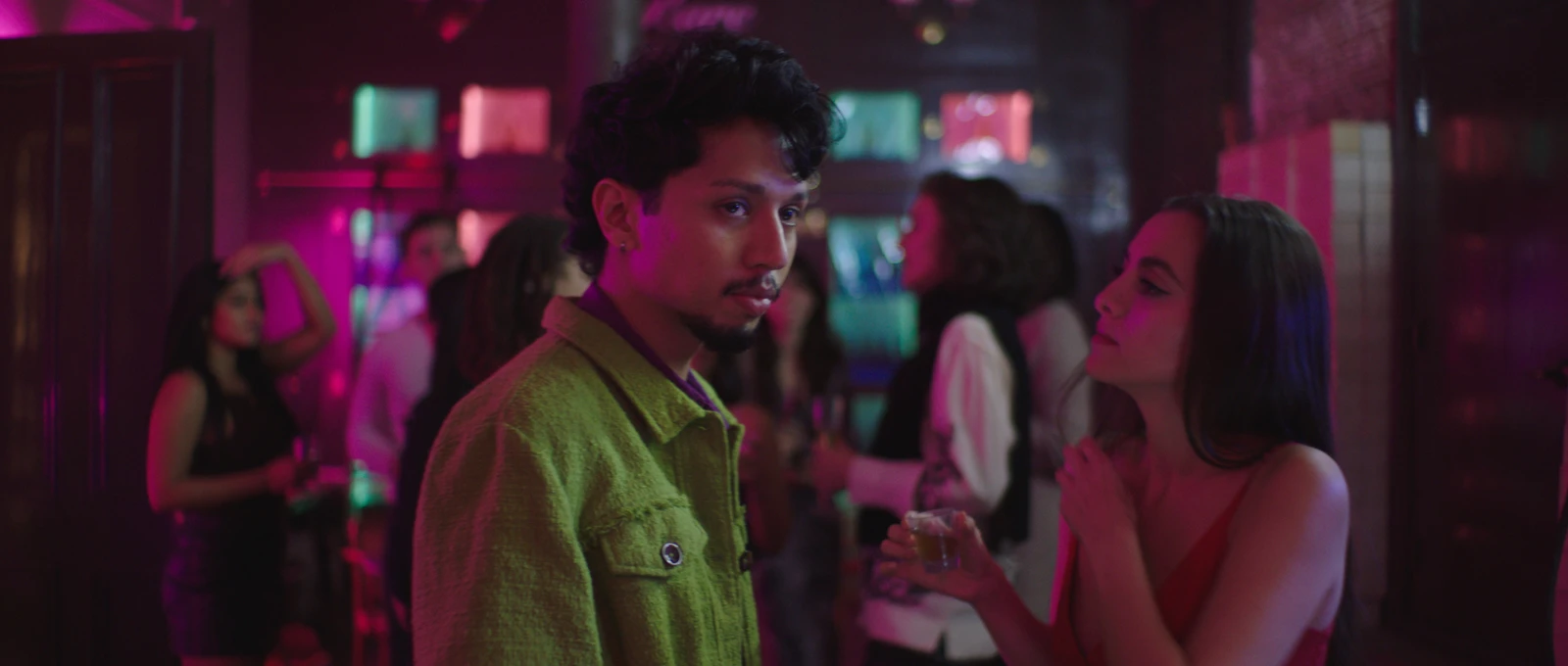
The title of his 15-minute short refers to the fake emotions experienced by its characters. “It’s literally manufactured emotions,” Albukhari says. “It’s not something coming from within the person who is feeling those feelings. It’s something they took in the form of a pill. It is unnatural; it’s not real.”
Albukhari wrote, directed and co-produced the film. And, due to unforeseen circumstances, he stars in it too.
“I’ve never cried because of a project, but this one made me cry multiple times,” he says. “We had so many problems with it.”
Aside from budget and location issues, casting proved tricky. “There are so many Saudis in New York, but none of them are actors,” says Albukhari. “They’re in the medical field or engineering or business. None of them want to act.” And when he found himself short of cast members a few days before the start of the shoot, “I had to step in.”
Fortunately, acting while also directing was a familiar, if unwelcome, experience.
“After my first film (“Resurrected”) showed at SFF in 2022, people asked me how I had found acting and directing. I was, like, ‘I don’t recommend it. Don’t do it.’ Then they see me in this film and are, like, ‘I thought you said…’ Well, things happen, you know?”

Still, much has changed for Albukhari since the release of “Resurrected.” His filmmaking, he says, has become more collaborative and organized.
“Before, it was very chaotic; it was just whatever I have in my brain — ‘Oh, that’s a cool idea’ — I’d put it in there. Then I’d be, like, ‘Nobody can see what I see in my head, so I’ll just do whatever I think is good; they don’t understand me.’ But then the film didn’t turn out like I imagined it would. Now I’ve learned to trust other people’s opinions. And I’ve learned a lot in NYU too.
“My whole process is totally different now,” he continues. “I can see ideas from all the angles. Before, I just thought about the fun parts. Now, I have to think about the funding; you can’t just shoot in your apartment all the time.”
His message to other Saudi filmmakers hoping to showcase their talents at film festivals is to go all in — even with the wildest of narratives.
“Whatever film you have, whatever crazy story it is, just submit it and then see if it gets accepted or not. With my film, I was, like, ‘There’s no way this film is going to be accepted.’”
Albukhari hopes to give Saudi audiences at home and abroad a taste of a different storytelling style.
“Most people in (the Saudi film industry) play it safe: ‘Let’s just do a family drama: They fight and somebody dies.’ Yes, those work. But we have more than that. I think the range of ideas and stories in Saudi films in general is very limited, so we end up with a lot of very similar projects.
“I’m not saying my film is the best film, obviously. But I’m saying you get to experience something more,” he continues. “It’s still Saudi, but it’s something we didn’t see before in Saudi. That’s what I’m trying to do.”