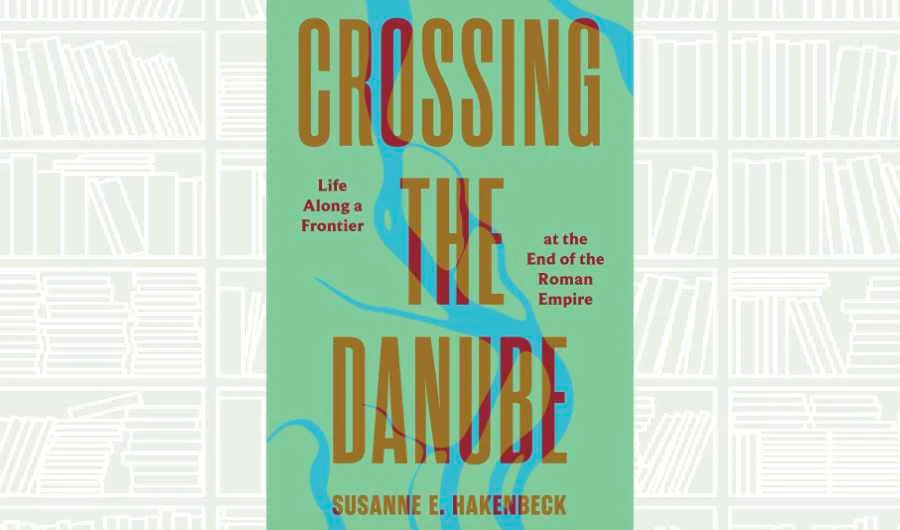
“Crossing the Danube” offers a new account of the peoples who lived along Europe’s greatest river—the nearly 2,000-mile-long Danube—during the dramatic centuries leading up to the end of the Roman Empire in the West.
Written sources of this period are dominated by accounts of Rome’s struggle against the “barbarians” along the Danube, which marked the border between the empire and the lands beyond, and the crossing of the river by Gothic refugees escaping the Huns in 376 CE was long seen as a catalyst of Rome’s fall.
But, as Susanne Hakenbeck shows, that is not the whole story. The Danube was not only a political boundary, but a living landscape.
Using archaeological evidence, she traces four tumultuous centuries along the river through the material world of the people who lived there.