JEDDAH: With revenues reaching almost $88 billion in 2014, the petrochemicals industry contributed to 31 percent of the GCC’s total manufacturing GDP, according to the latest industry report by the Gulf Petrochemicals and Chemicals Association (GPCA).
Petrochemical production in the GCC rose by 8.3 percent in 2014, making the GCC the second-highest growth region in the world. However, the slumping oil prices and the economic slowdown in China have had a direct negative impact on petrochemicals prices, with revenues declining from $89.4 billion in 2013, according to the GCC Petrochemicals and Chemicals Facts and Figures 2014, which will be released at the 10th Annual GPCA Forum in November 2015.
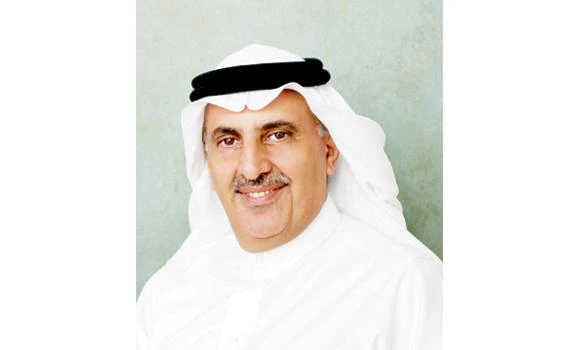
“The health of the global economy since the decline in oil prices and the slowdown of the Chinese economy combined with the possibility of a nuclear deal with Iran, contributed to weak petrochemicals prices and created a difficult near-term outlook for the global petrochemicals and chemicals sector,” says Abdulwahab Al-Sadoun, secretary general, GPCA.
“Given that the GCC petrochemicals producers are not price-setters, it means that Arabian Gulf producers need to be more agile, collaborative and innovative to succeed.”
Al-Sadoun added: “Looking ahead, the long-term scenario is more positive. The industry is forecasted to grow at 6 percent per annum over the next five years, with the region producing over 190 million tons of petrochemicals annually by 2020.”
He added: “The drive into higher value products, such as speciality and performance chemicals, is gaining momentum and is expected to act as a catalyst for an even stronger growth of the GCC petrochemical industry in the years to come.”
As the region’s largest petrochemical producer, Saudi Arabia’s manufacturing portfolio comprised 63 percent of the region’s chemical portfolio and earned $68.3 billion, followed by Qatar’s revenues of almost $8 billion. The GCC’s total chemical capacity for 2014 exceeded 136.2 million tons.
The strong sector attracted considerable GCC nationals into its workforce in 2014, with a nationalization rate of 67 percent among GPCA member companies.
The GPCA’s Facts and Figures report is an annual publication will be released at the GPCA’s Annual Forum on Nov. 17, 2015.
Currently in its fourth edition, the report provides information on wide-ranging subjects for the region’s chemicals industry including product capacity, employment and trade.
“With the industry being such a substantial part of the GCC’s GDP, we feel it is essential to open the door to encourage informed, thoughtful discussions and debate on the key issues that revolve around it,” said Al-Sadoun.
“The GPCA’s Facts and Figures report, and the Annual Forum, are platforms through which we educate and engage, as well as demonstrating the achievements of the petrochemicals industry and anticipating its future.”
Now in its 10th edition, the annual forum will kick off with a keynote from Suhail Mohamed Faraj Al-Mazrouei, minister of energy for the UAE. Abdullatif A. Al-Othman, governor and chairman of the board of directors, Saudi Arabian General Investment Authority (SAGIA) will deliver this year’s opening address.
Other notable industry leaders that have confirmed participation include Rashed Saud Al-Shamsi, chairman GPCA and petrochemicals director, ADNOC; Yousef Al-Benyan, vice chairman, GPCA and acting vice-chairman and CEO SABIC; Nizar. M. Al-Adsani, deputy chairman and CEO Kuwait Petroleum Corporation and Neil Chapman, president, ExxonMobil Chemical.
GCC chemicals industry contributed 31% to regional manufacturing GDP in 2014