Improving the competitiveness of the state sectors is a prerequisite for economic diversification, say some Saudi academics and bankers.
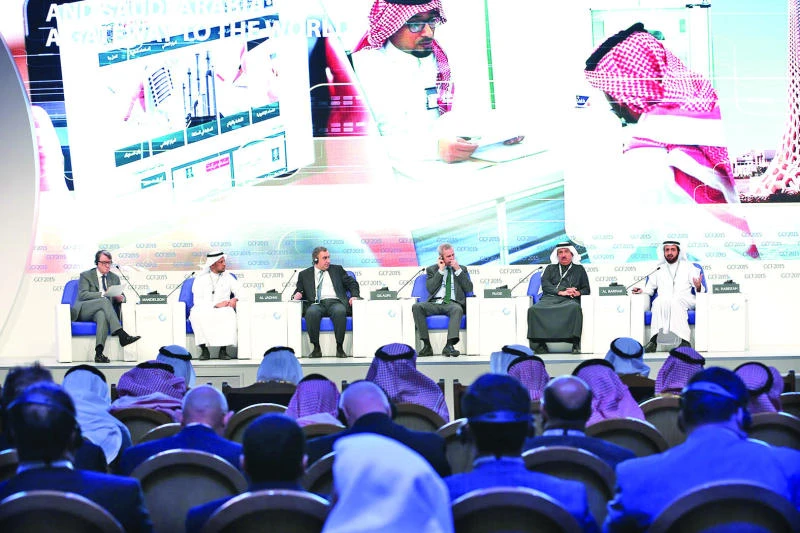
The experts made their observations on the occasion of the 9th Global Competitiveness Forum (GCF-2016) that was opened here on Sunday by Abdullatif Al-Othman, the governor and chairman of the Saudi Arabia General Investment Authority (SAGIA).
They said such a goal, a major objective of the government, is meant to reduce dependence on oil resources. It is an engine of domestic growth that can attract huge foreign investment.
At $653 billion, the Saudi GDP in 2015 is the largest in the Middle East; it is the fourth fastest-growing in the G-20, and public debt of just 5.8 percent of GDP compares favorably with the three fastest growing G-20 economies — China, India and Indonesia — that average 34 percent of GDP. Furthermore, the Kingdom’s income from nonoil revenues has increased 29 percent over the course of 2015.
According to them, the global economic crisis revealed the strength of the Saudi economy and its ability to overcome obstacles.
The ninth annual Global Competitiveness Forum opened last night at a ceremony attended by government dignitaries, business experts and leading academics from Saudi Arabia and abroad.
Sectors competitiveness is the theme of the event, with its focus on the most influential sectors such as health care, transportation, education, information and technology.
“Economic diversification requires a change in the methodology of activities and mechanism to allow production efficiency and enhance its competitiveness,” said Moneerah Arab.
According to Fadl bin Saad Al-Buainain, professor and banker, acquiring a competitive edge has become a means of guaranteeing the survival of sectors and companies in the market.
Without it, the production sector cannot continue to achieve profitability, expansion and ensure access to additional stakes in global markets. They are the real engine for the growth of the domestic and global economies for attracting foreign investment.
“The country is no longer relying on its economy with its own current financial resources. It tries to attract diverse foreign investment to achieve the diversification of revenue sources that would create jobs to meet the growing demand resulting from high population growth,” he said.
He added: "In that context, government strives to develop its competitiveness compared to other countries, especially with regard to infrastructure, trade regulations, legislation and legal, as well as some special features relating to production and tax privileges costs and freedom business."
According to him, the global economic crisis revealed the strength of the Saudi economy and its ability to overcome obstacles. It came out safe and sound from the repercussions of the global crunch despite the current oil price crisis.
"Saudi Arabia's investment environment is supported by political, security and economic stability, and achieved global competitiveness requirements. It also contributed to the increase of foreign investment flows," Buainain stated.
KSA economic diversification ‘hinges on boosting efficiency'