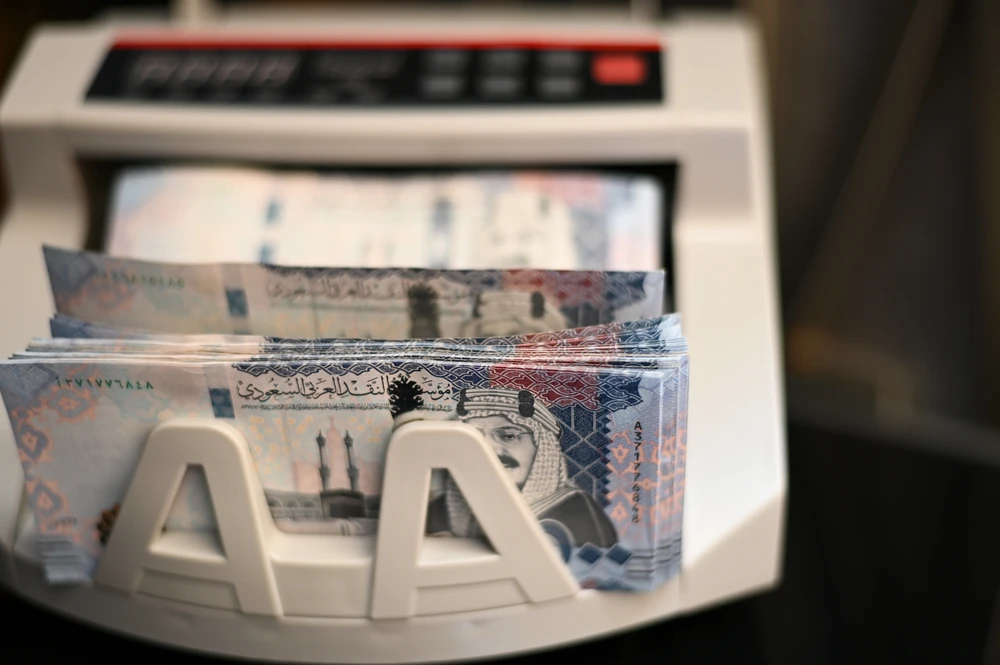
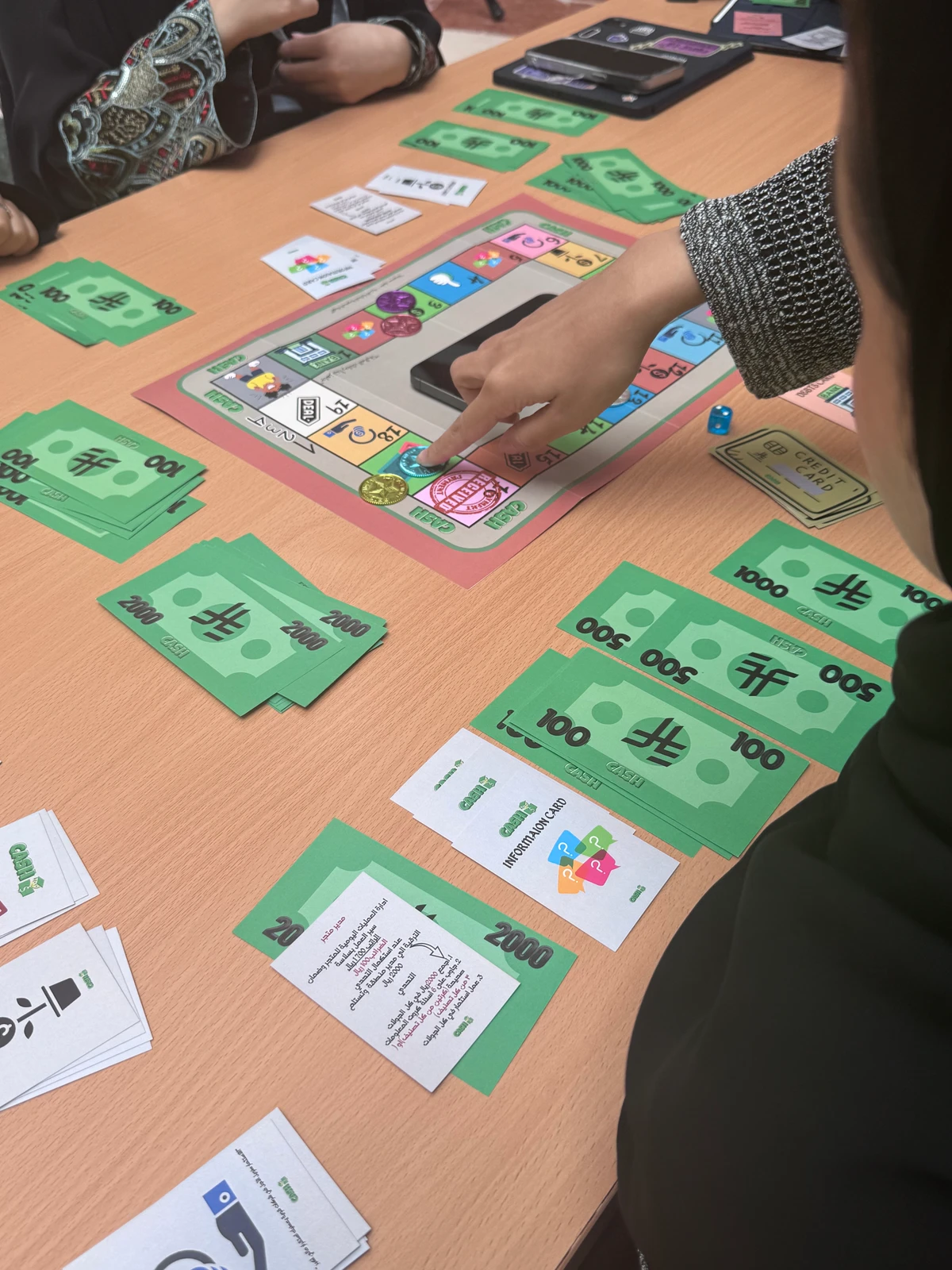
RIYADH: From school classrooms to digital banking platforms, Saudi Arabia is reshaping how younger generations approach money, with financial education emerging as a key part of efforts to turn saving into a lifelong habit.
As the Kingdom marks World Savings Day on Oct. 31, the shift is gaining momentum through nationwide education initiatives, expanding savings products and greater access to financial services.
Yet experts say the real test lies in whether growing financial awareness translates into stronger household savings.
Among those driving the effort is Riyali Foundation, a Saudi nonprofit organization registered with the National Center for Non-Profit Sector Development, whose financial education programs have reached more than 4 million students across the Kingdom.
The initiative comes as Saudi Arabia works toward its Vision 2030 target of raising household savings to 10 percent of income, with economists emphasizing that financial resilience depends on more than access to banking and investment products.
Starting young
For Riyali, the challenge is not simply teaching children how to manage money, but encouraging habits that can continue into adulthood.
Through a partnership with the Ministry of Education established in 2017, its financial awareness programs have reached more than 10,000 schools and trained over 65,000 ambassadors.
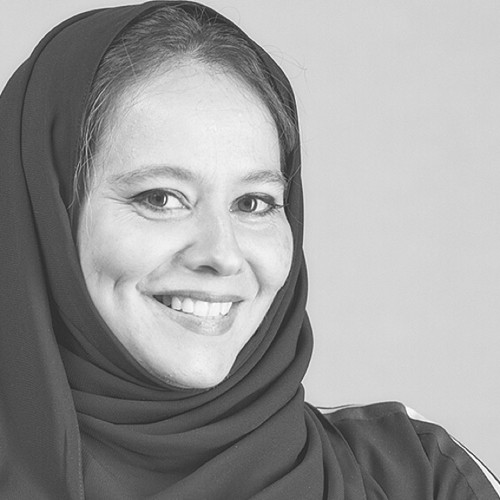
Dania Al-Maeena, CEO of Riyali Foundation, told Arab News that financial security begins with understanding how everyday spending decisions affect long-term goals.
She said: “On World Savings Day, we are reminded that saving is not simply about setting money aside, but about building financial security and making informed financial decisions.
“At Riyali, we believe that developing healthy financial habits starts at an early age.
“By setting clear financial goals, distinguishing between needs and wants, and avoiding impulsive spending, individuals and families can take meaningful steps toward a more secure financial future.
“Financial awareness is a lifelong journey, and consistent saving is an important part of that journey.”
The foundation, which began as an initiative in 2012 before being established as a nonprofit in 2023, has also examined whether financial education influences behavior.
A field study across 16 Saudi cities surveyed 24,730 students and parents, assessing financial knowledge, attitudes and everyday money-management practices.
The distinction between financial knowledge and actual behavior is increasingly important as Saudi Arabia seeks to translate education into stronger household savings.
Beyond targets
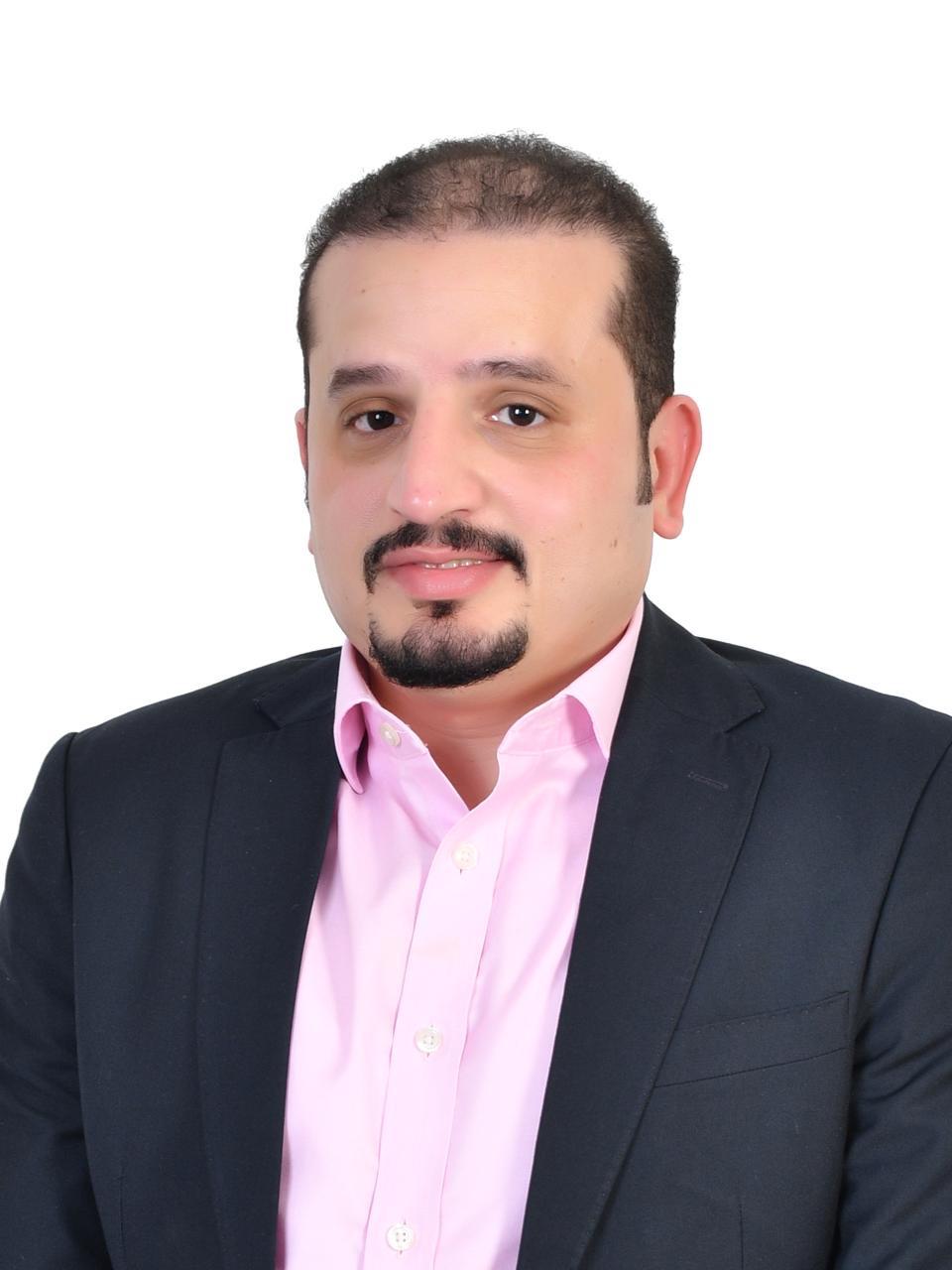
Abdalla El-Sayed, an economic researcher at City St George's, University of London, told Arab News that Saudi households are increasingly connecting savings with specific financial goals rather than simply setting aside unused income.
“Saudi Arabia’s savings culture is clearly evolving. Saving is becoming more formal, digital and increasingly linked to specific goals such as home ownership, education, retirement and emergency planning,” El-Sayed said.
The Kingdom's Financial Sector Development Program reported an average household savings rate of approximately 9 percent between 2018 and 2022, including 9.8 percent in 2022.
However, El-Sayed cautioned that national averages can conceal significant differences between households, particularly those facing housing costs, education expenses and debt commitments.
“The 10 percent target is an important benchmark, but the real objective is broader household financial resilience,” he said.
He added that financial education should be evaluated through measurable changes in behavior, including whether individuals develop emergency reserves, save regularly and manage borrowing responsibly.
El-Sayed pointed to international experiences with automatic workplace savings, suggesting that voluntary payroll deductions and accessible emergency funds could help households save more consistently.
He also emphasized the importance of measuring the impact of financial education beyond immediate learning outcomes.
“And importantly, success should be measured after six, 12 and 24 months not just through attendance or examination results,” El-Sayed said.
The researcher suggested that savings systems should make financial discipline easier by directing a portion of income into savings automatically, rather than relying on what remains at the end of the month.
“The objective should not simply be to make households save more, but to create a clear journey from income, to an emergency buffer, to investment and ultimately to long-term financial security,” he said.
Digital shift
The expansion of digital financial services is also reshaping saving habits, particularly among younger Saudis who can access banking and investment products through their phones.
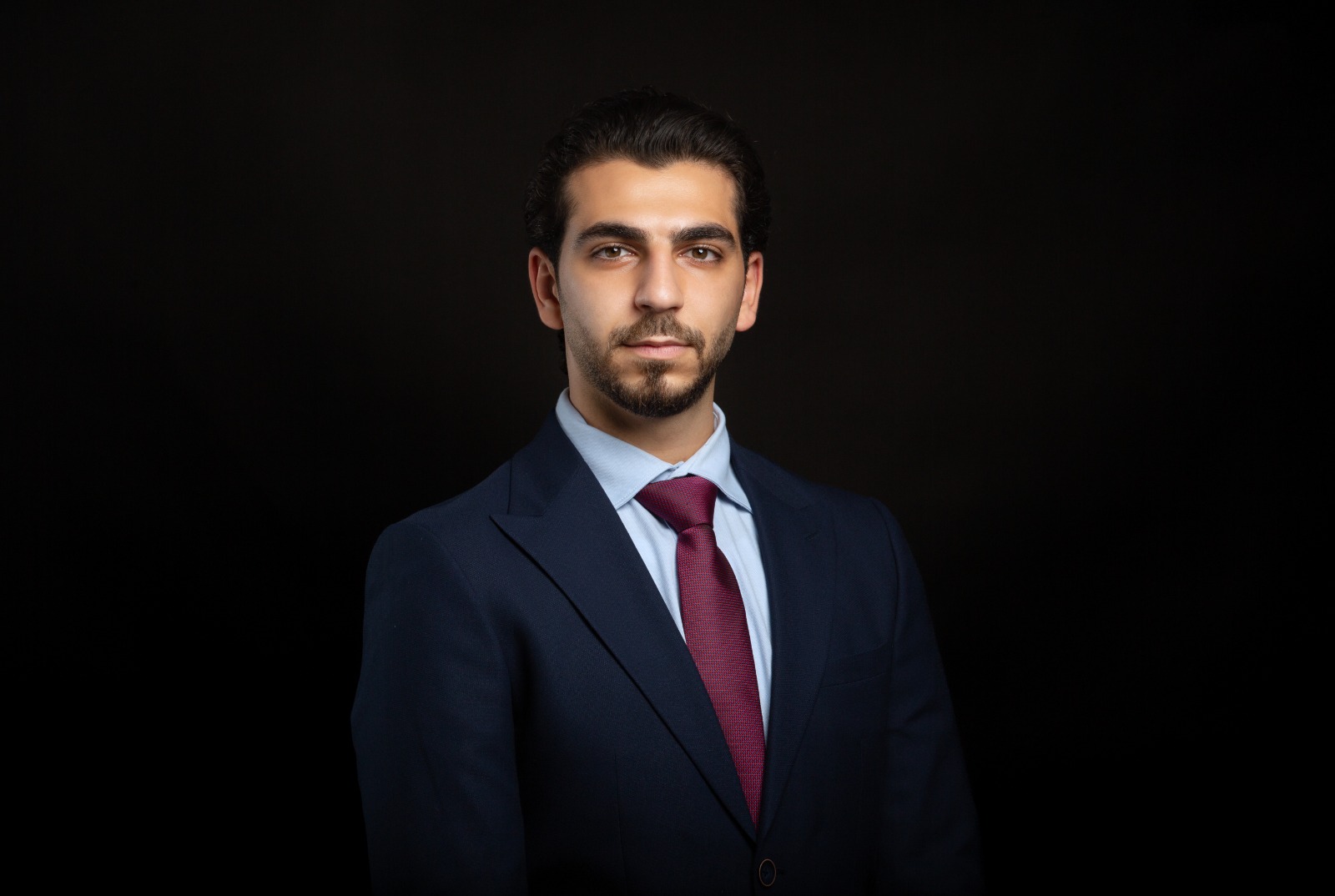
Hamza Dweik, head of trading for the Middle East and North Africa at Saxo Bank, a Danish investment bank and online trading platform, told Arab News that saving is becoming increasingly structured and connected to investment.
“The important behavioral change, in my view, is that saving is gradually becoming less passive,” Dweik said.
Electronic payments accounted for 79 percent of Saudi retail transactions in 2024, while the Kingdom's fintech sector reached 261 companies, illustrating the rapid expansion of digital financial services.
Yet easier access to financial products does not necessarily translate into stronger financial discipline.
“The biggest challenge is not necessarily access to financial products anymore, but maintaining the discipline to save consistently alongside competing demands on disposable income,” Dweik said.
He noted that digitalization presents a paradox: the same technology that simplifies saving and investing also makes spending almost instantaneous.
Government-backed savings products are providing additional options.
Saudi Arabia's October issuance of Sah, a Shariah-compliant savings sukuk for individuals, offered a 5 percent annual return, with subscriptions starting at SR1,000 ($266).
The initiative forms part of efforts to expand accessible savings instruments under the Financial Sector Development Program.
Dweik emphasized that financial education must develop alongside the growing availability of digital investment products.
“Being able to buy an investment product instantly is not the same thing as understanding risk, diversification or having a long-term financial plan,” he said.
Saudi Arabia has also introduced financial education initiatives, including Malee, which targets children aged 8 to 12, and the Gulf Smart Investor Award, aimed at strengthening financial and investment awareness.
Dweik said the ultimate measure of progress would be whether greater financial access translates into consistent saving from an earlier age, rather than simply increasing the number of available financial products.
For Saudi Arabia, the challenge is increasingly shifting from expanding financial services and education to ensuring households can use both to build lasting financial security.