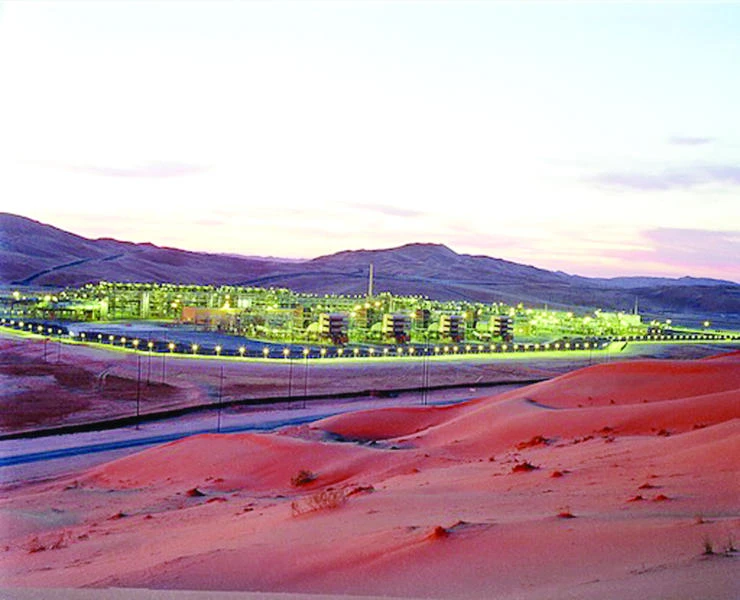
Saudi oil revenues are predicted to reach SR1.07 trillion in the current year but still will fall by SR73.8 billion, or 6.4 percent, compared to last year’s figures, local media said quoting an expert.
Based on data released recently, the Kingdom produced 10.19 million barrels per day (mbpd) of oil in the last month (August) and pumped into the (global) markets as much as 10.07 mbpd and thus could offset the shortfall in oil production emerging from geopolitical developments in the region, the media said.
Earlier in the year, an investment firm said higher output and prices boosted the Kingdom’s oil export earnings to an all time high of around $347 billion (SR1.3 trillion) in 2012 but the income is forecast to tumble to nearly $279 billion (SR1.03 trillion) this year (2013)
The Riyadh-based Jadwa Investments based its projections on an expected fall in the country’s oil output to 9.6 mbpd in 2013 from 9.8 mbpd in 2012 and a decline in the price of Saudi crude to an average $99.4 per barrel from $106.1 per barrel.
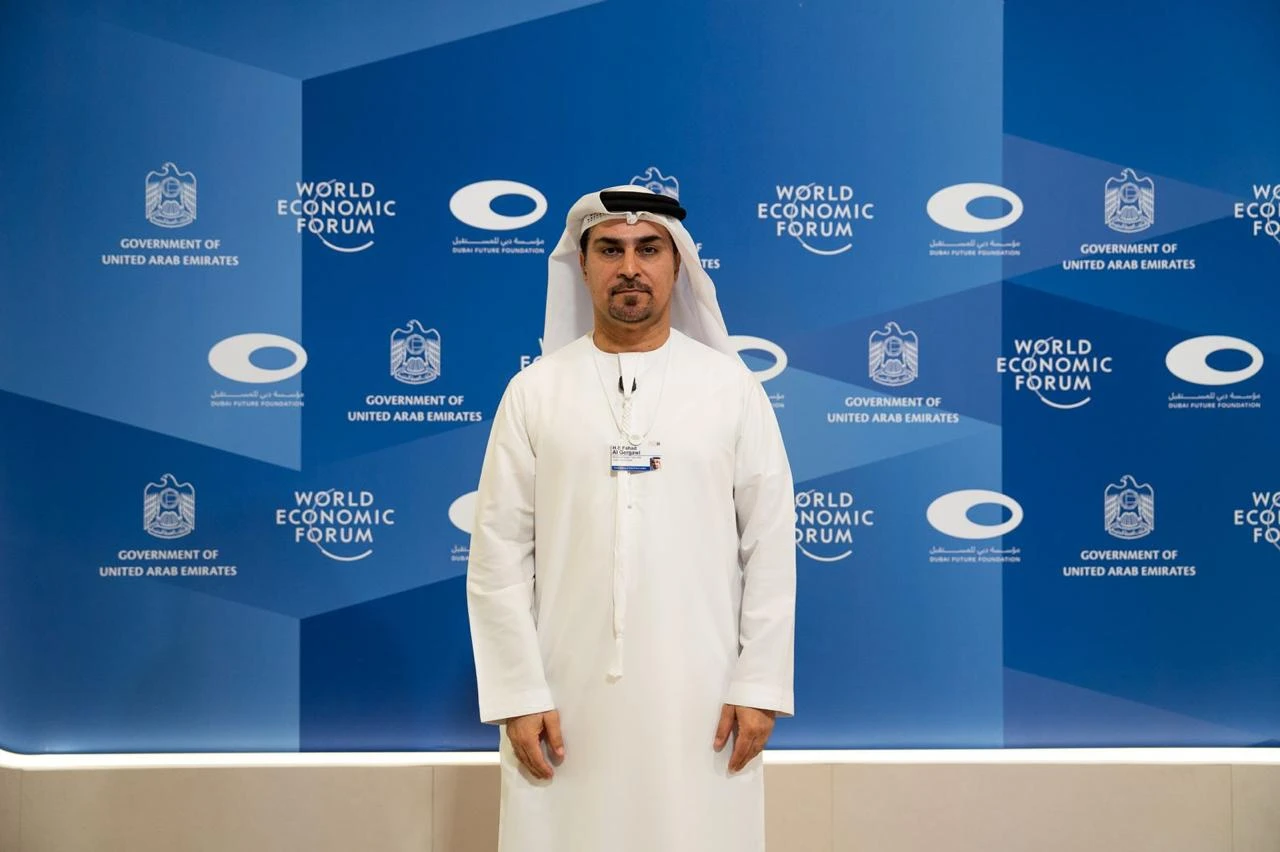
Speaking to Al-Riyadh daily, economic expert Fahad Juma’a said the Kingdom faced no challenges to raise its production because its production capacity stood at 12.5 mbpd.
However, as the summer is a peak time for production where the rate of domestic consumption is raised to 2.8 mbpd, after the summer season the production will be cut without affecting the levels of exports, he said.
If local consumption continues to rise annually, it will lead to a decline in the Kingdom’s oil exports which will, in turn, lead to a point where the Kingdom could not increase production, he said.
On the Kingdom’s ability to offset the possible shortfall of global oil production in the next coming weeks, he added that it depends on the amount of shortfall and whether it comes within the range of the Kingdom’s remaining production capacity, which is nearly more than 2 mbpd. The Kingdom has also oil reserves, which it may use if need arises, he said.
On the possible rise of domestic gas consumption in the wake of the announcement made by the Kingdom to invest SR300 billion on industrial and petrochemical areas, he stated that expansion in this area necessitates an increase in the rate of energy inputs such as oil or gas to be used as feedstock in the petrochemical industries.
The Kingdom continues to develop natural gas and oil fields in addition to shale gas to complete its strategy of converting crude gas and oil into value-added products that are higher in prices than just selling crude items, he pointed out.
Saudi oil revenues to reach SR1.07 trillion in 2013