- Saudi Arabia's 5G expansion is enabling telecom operators to explore new revenue streams beyond traditional mobile data services.
- Key growth opportunities include specialized services in gaming, media, logistics, and industrial operations tailored to customer needs.
- The Kingdom's advancements rely on substantial investments in network capacity and digital infrastructure, aligning with Vision 2030 goals.
- Artificial intelligence is crucial for improving network efficiency, automating processes, and managing high-demand scenarios, such as during Hajj.
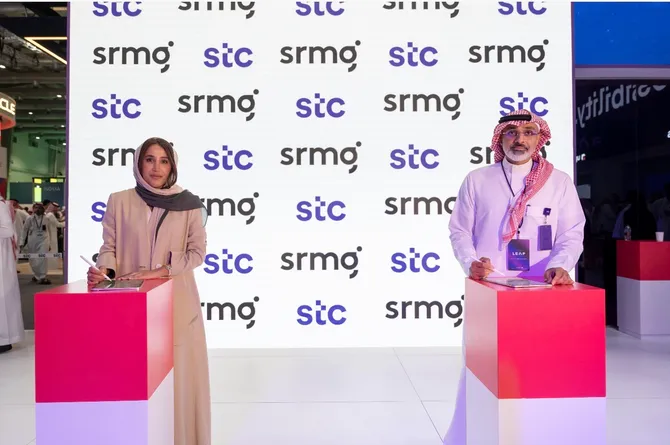
- A recent agreement between Ericsson and stc aims to expand 5G coverage and prepare for advanced connectivity services across Saudi Arabia.
- While demand for advanced connectivity is rising, it requires business models that create valuable customer services for generating revenue.
RIYADH: Saudi Arabia’s expanding 5G infrastructure is creating opportunities for telecom operators to generate revenue from services beyond conventional mobile data, as advanced network capabilities open new markets among consumers and businesses, according to Ericsson.
Strong adoption, continued network expansion and growing use of fixed wireless access are providing a foundation for operators to offer more specialised connectivity services, Ante Mihovilovic, vice president and head of networks at Ericsson Europe, Middle East and Africa, told Arab News in an interview.
“Saudi Arabia is an important 5G market, supported by strong adoption, continued network expansion and growing use of Fixed Wireless Access,” Mihovilovic said.
He explained that the Kingdom’s progress reflects sustained investment in network capacity, coverage and digital infrastructure rather than a single measure of revenue growth.
The Ericsson official's comments come as Saudi Arabia accelerates telecommunications investment under Vision 2030, with operators expanding network capacity and exploring new services for consumers and businesses.
New revenue streams
Mihovilovic said future growth opportunities would increasingly extend beyond conventional mobile broadband and fixed wireless access to services tailored to specific customer needs.
These include applications in gaming, media, logistics and industrial operations, where network performance and reliability can be particularly important.

“The opportunity is to move from selling connectivity mainly by data volume toward services built around performance, reliability and specific network capabilities,” Mihovilovic said.
He identified 5G Standalone, which operates independently of earlier mobile network infrastructure, and network application programming interfaces, or APIs, as technologies that could support this transition.
However, Mihovilovic acknowledged that expanding 5G networks has not always translated into additional revenue for telecom operators.
“One lesson from the global 5G journey is that faster connectivity alone does not automatically create new revenue streams,” he said.
He explained that generating returns from advanced networks depends on developing services customers value and are willing to pay for, alongside suitable business models and partnerships.
AI in networks
Artificial intelligence is also becoming an important tool for improving network efficiency, with operators using the technology to automate processes, optimize performance and manage resources.
“A strong example is Hajj, where AI-driven capabilities help operators manage unprecedented levels of connectivity demand, ensuring reliable network performance and a seamless experience for millions of pilgrims,” he said.
Beyond network management, he noted that growing demand for AI-enabled services and data-intensive applications is increasing the need for reliable, high-performing telecommunications infrastructure.
Smarter networks can support new digital services, while the adoption of those services creates additional demand for network capacity, he explained.
The developments come amid continued investment in Saudi Arabia’s digital infrastructure.
In September, Ericsson and Saudi telecom operator stc group announced a multi-year agreement to expand 5G coverage and capacity across the Kingdom.
The agreement includes deploying additional network sites, expanding 5G Standalone technology and preparing for differentiated connectivity services.
Separately, the Communications, Space and Technology Commission announced more than SR550 million ($146.7 million) in information and communications technology infrastructure investments during LEAP 2026, alongside initiatives to advance 5G technology and network sustainability.
Vision 2030 impact
Mihovilovic said Saudi Arabia’s economic diversification strategy has helped accelerate digital investment, although telecommunications demand is not limited to major developments such as Neom.
“Vision 2030 has created strong momentum for digital investment, but the growth extends beyond individual giga-projects,” he said.
He explained that consumers, businesses and government entities are increasingly requiring more advanced connectivity as services become digital and industries adopt new technologies.
While Vision 2030 has placed digital infrastructure and innovation among the Kingdom’s development priorities, operators are also responding to demand for greater capacity, wider coverage and enterprise services.
Saudi Arabia is seeking to attract further international investment in advanced telecommunications infrastructure.
In April, Communications and Information Technology Minister Abdullah Al-Swaha met Ericsson CEO Borje Ekholm to discuss expanding the company’s investments in advanced 5G networks, cloud infrastructure, AI and automation.
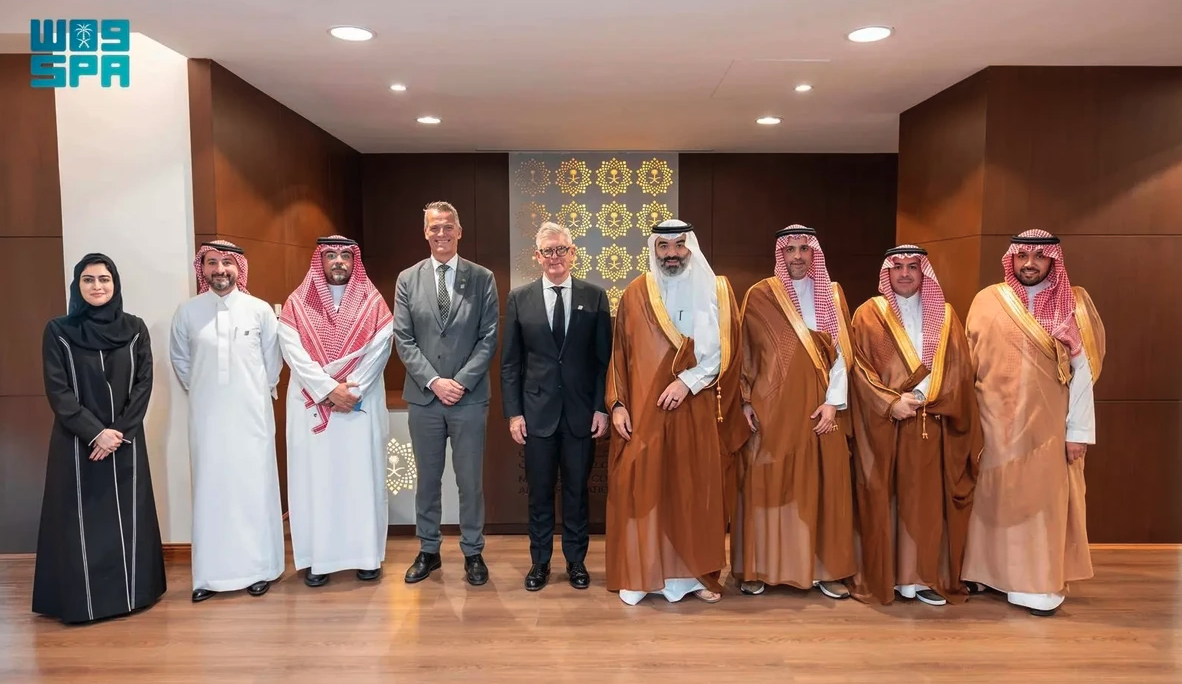
Ericsson has had a presence in Saudi Arabia for nearly five decades, with Mihovilovic noting that the Kingdom has consistently adopted successive generations of mobile technology.
GCC outlook
The shift toward advanced 5G services is also taking place across the Gulf Cooperation Council, although Mihovilovic said individual markets are likely to pursue different approaches.
Operators across the region are investing in fixed wireless access, 5G Standalone and programmable networks that can provide different levels of performance depending on customer requirements.
“There will not be one identical model across the GCC,” he said.
He explained that Saudi Arabia’s market scale and Vision 2030 priorities create specific opportunities, while other Gulf economies may focus more heavily on smart cities, tourism or enterprise services.
Technologies such as network slicing, which allows operators to allocate network resources to particular applications, and network APIs could be deployed according to each market’s needs.
Growth by 2027
Looking ahead, Mihovilovic identified 5G Standalone and differentiated connectivity as among the strongest potential revenue opportunities for regional telecom operators by 2027.
These technologies could allow operators to offer services based on specific performance and reliability requirements rather than treating connectivity as a standardized product.
“Network APIs can extend this opportunity by giving developers and enterprises access to capabilities such as quality on demand, location and authentication,” he said.
He added that fixed wireless access would remain important as operators seek to generate greater value from their existing network investments.
Mihovilovic emphasized that technology alone would not determine commercial success.
“The industry has learned that monetization depends on turning network capabilities into services that customers clearly value and are willing to pay for,” he said. “Technology is only one part of the equation; operators also need the right service models, partnerships and go-to-market strategies.”