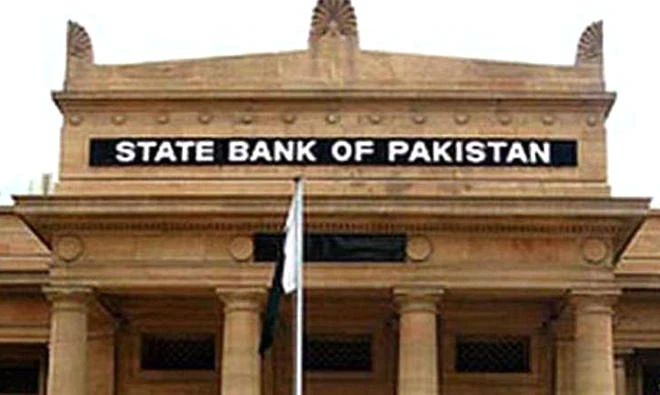
KARACHI: The State Bank of Pakistan (SBP) announced on Friday that the key policy rate will stay at 6 percent for next two months in anticipation of headline inflation remaining within “comfortable bounds” for the current and next financial year.
The bank kept the rate at 5.75 percent from May 21, 2016 until increasing it by 25 basis points to 6 percent in January to prevent the economy overheating.
A statement issued by SBP said: “The Monetary Policy Committee [MPC] is of the view that some time may be allowed for the impact of recent policy developments to unfold, and has therefore decided to maintain the policy rate at 6 percent for the next two months.”
Pakistan expects the growth rate to hit 6 percent this year for the first time in 11 years.
“The latest information ... reveals that the prospects of achieving an 11-year high growth rate remain strong, with average headline inflation within comfortable bounds for FY18 and FY19”, the statement added.
The SBP warned that high growth and low inflation have been accompanied by a higher current account deficit. Along with a high fiscal deficit, this could affect the economy’s medium-term stability.
However, recent adjustments stemming from greater exchange rate flexibility, active monetary management and improvements in exports and remittances are expected to bear fruit for medium-term and sustain growth without posing a risk to stability.
The Consumer Price Index (CPI) inflation remained moderate during January and February, averaging 4.1 percent, due to depressed food prices and a lower-than-anticipated increase in house rents.
“A sticky core inflation, along with a moderate outlook for food prices amid abundant grain stocks and the recent increase in policy rate, are expected to contain average inflation well below FY18 target of 6 percent and close to it for FY19,” the SBP said.
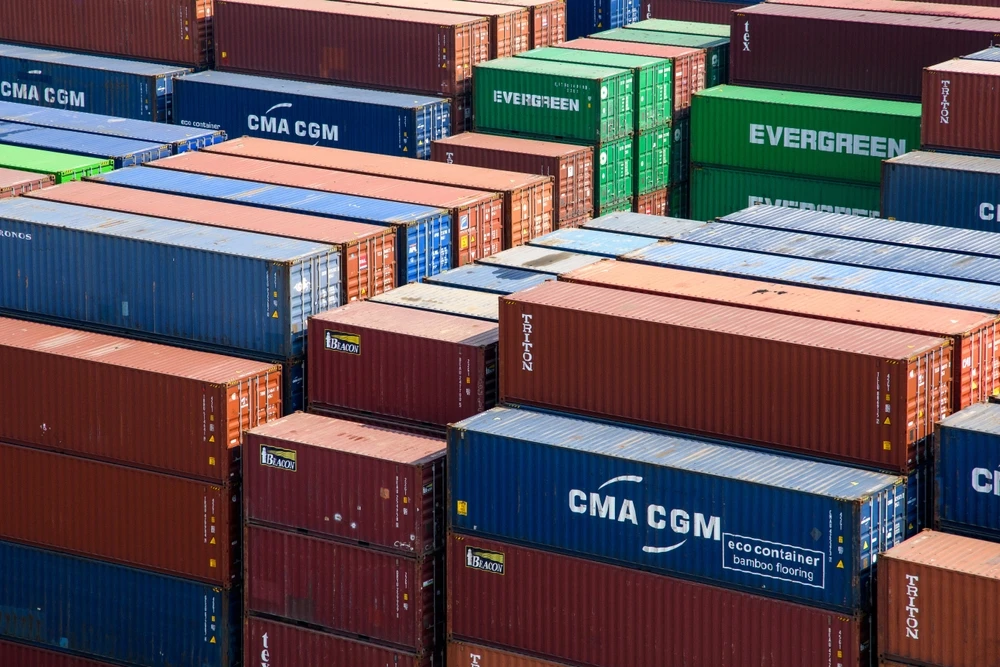
Improved demand from major trade destinations and the Government’s ongoing export package are generating growth in exports. From July to February of this financial year, exports grew by 12.2 percent, whereas there was a 0.8 percent decline in the same period last year.
“Despite the decline in new labor proceeding abroad, workers’ remittances have recorded a growth of 3.4 percent in FY18 so far.
“However, the growth in imports remains high. Even with a deceleration during the current year due to higher regulatory duties and exchange rate movements, import growth has remained high during Jul-Feb FY18 compared with the growth in the same period last year. As a result, the current account deficit has reached $10.8 billion during Jul-Feb FY18, about 50 percent more than during the same period in FY17,” the central bank noted.
The central bank said that while the full impact of recent exchange rate depreciations on exports and imports will unfold over the coming months, financing the high current account deficit is challenging as a healthy growth in Foreign Direct Investment (FDI) and higher official inflows were insufficient to finance it completely. Consequently, the SBP’s foreign exchange reserves fell to $11.78 billion on March 22.
The SBP hopes that mobilization of external flows will boost foreign exchange reserves. “Along with a focus on narrowing the current account gap, government plans to mobilize external inflows, both official and commercial, will play a pivotal role in maintaining adequate level of SBP’s foreign exchange reserves and anchoring sentiments in the forex markets,” the central bank predicted.
The bank kept the rate at 5.75 percent from May 21, 2016 until increasing it by 25 basis points to 6 percent in January to prevent the economy overheating.
A statement issued by SBP said: “The Monetary Policy Committee [MPC] is of the view that some time may be allowed for the impact of recent policy developments to unfold, and has therefore decided to maintain the policy rate at 6 percent for the next two months.”
Pakistan expects the growth rate to hit 6 percent this year for the first time in 11 years.
“The latest information ... reveals that the prospects of achieving an 11-year high growth rate remain strong, with average headline inflation within comfortable bounds for FY18 and FY19”, the statement added.
The SBP warned that high growth and low inflation have been accompanied by a higher current account deficit. Along with a high fiscal deficit, this could affect the economy’s medium-term stability.
However, recent adjustments stemming from greater exchange rate flexibility, active monetary management and improvements in exports and remittances are expected to bear fruit for medium-term and sustain growth without posing a risk to stability.
The Consumer Price Index (CPI) inflation remained moderate during January and February, averaging 4.1 percent, due to depressed food prices and a lower-than-anticipated increase in house rents.
“A sticky core inflation, along with a moderate outlook for food prices amid abundant grain stocks and the recent increase in policy rate, are expected to contain average inflation well below FY18 target of 6 percent and close to it for FY19,” the SBP said.
Improved demand from major trade destinations and the Government’s ongoing export package are generating growth in exports. From July to February of this financial year, exports grew by 12.2 percent, whereas there was a 0.8 percent decline in the same period last year.
“Despite the decline in new labor proceeding abroad, workers’ remittances have recorded a growth of 3.4 percent in FY18 so far.
“However, the growth in imports remains high. Even with a deceleration during the current year due to higher regulatory duties and exchange rate movements, import growth has remained high during Jul-Feb FY18 compared with the growth in the same period last year. As a result, the current account deficit has reached $10.8 billion during Jul-Feb FY18, about 50 percent more than during the same period in FY17,” the central bank noted.
The central bank said that while the full impact of recent exchange rate depreciations on exports and imports will unfold over the coming months, financing the high current account deficit is challenging as a healthy growth in Foreign Direct Investment (FDI) and higher official inflows were insufficient to finance it completely. Consequently, the SBP’s foreign exchange reserves fell to $11.78 billion on March 22.
The SBP hopes that mobilization of external flows will boost foreign exchange reserves. “Along with a focus on narrowing the current account gap, government plans to mobilize external inflows, both official and commercial, will play a pivotal role in maintaining adequate level of SBP’s foreign exchange reserves and anchoring sentiments in the forex markets,” the central bank predicted.