- Businessmen say they prefer to look at newer options instead
- Says New Delhi stands to lose more than Islamabad if economic limitations continue
LAHORE: With the cessation of bilateral trade between Pakistan and India due to an ongoing escalation along the border, leading business houses said they were now contemplating a deal with the US, Afghanistan and Central Asia instead.
“Pakistan has cheaper options available for major import of cotton from the US” while cement exporters tend to look for Afghanistan and Central Asian destinations besides supplying for local consumption to meet the growing demand within the country, said Anisul Haq, secretary general of All Pakistan Textile Mills Association (APTMA) Punjab on Wednesday.
If the two countries wish to benefit from direct trade through Wagah, the trade has to be on a level playing field to reap dividends of close proximity and cheaper goods requiring lesser time to deliver consignments, Haq told Arab News. “We do not encourage a reroute of trade through other channels like the Afghan Transit Trade.”
Pakistan’s total trade volume from India, during 2017-18, stands at $2,412.80 million, including total imports worth $1,924.28 million and exports at $488.52 million, according to documents available with Arab News. The major imports from India include cotton, organic chemicals, dyes and chemicals, machinery, raw material for pharmaceuticals, etc., while major exports to India include cement, gypsum, edible and citrus fruits, mineral fuels and oils.
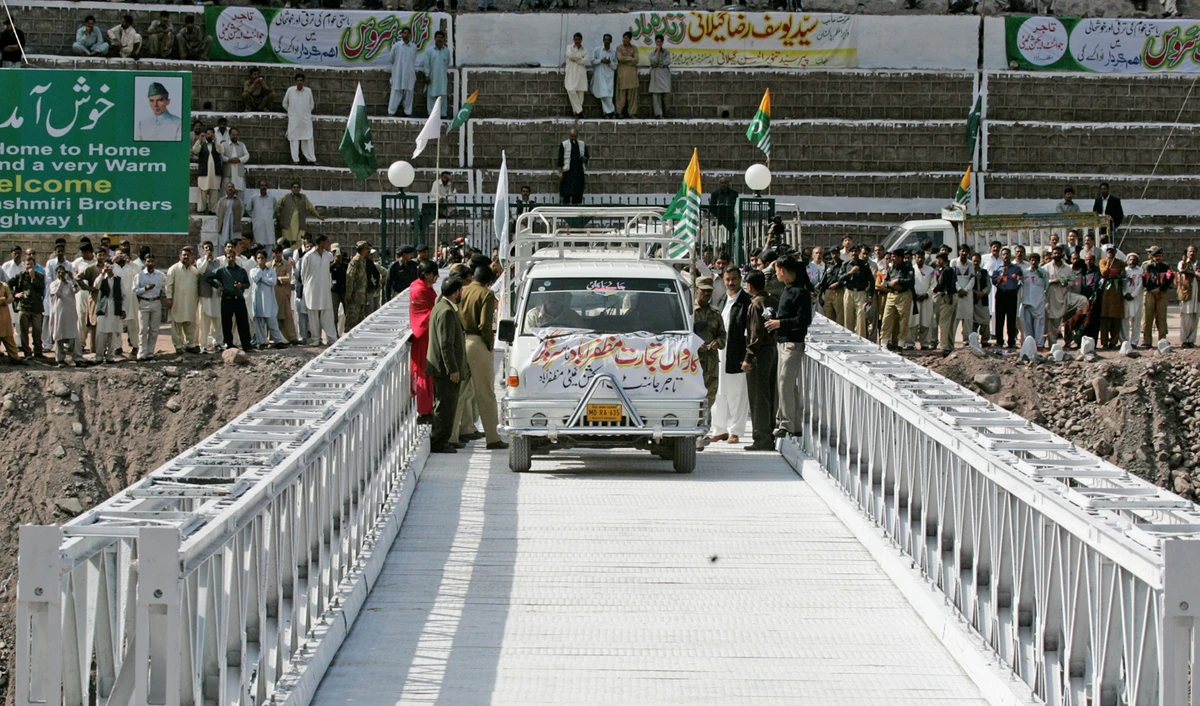
Following the February 14 attack on Indian troops in the Pulwama district of Indian-administered Kashmir, New Delhi had withdrawn the Most-Favored Nation (MFN) status from Islamabad and imposed a 200 percent import duty on Pakistani goods. The unilateral move by India virtually brought all bilateral trade to a halt and truckloads of cement were seen parked inside the Wagah border and returned later.
Younas Dhaga, Secretary to Ministry of Commerce, told Arab News that Pakistan would stick to its stance whereby the Adviser to Prime Minister on Commerce, Razak Dawood had said he would raise the issue of India withdrawing the MFN status at the international forum of the World Trade Organization (WTO) if the stalemate continues.
According to the State Bank of Pakistan’s annual report 2017-18, “The cotton production marked an increase from 10.7 million bales last year to 11.9 million bales in FY18. Yet, cotton production not only missed the target of 13.6 million bales, but also stood lower than the textile industry’s need of 13.2 million bales.”