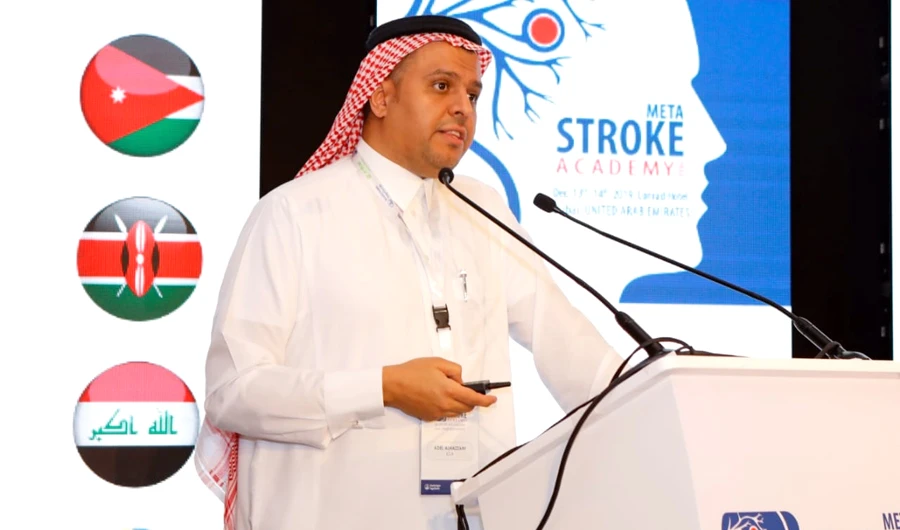
More than 100 neurologists from the Middle East, Turkey and Africa (META) participated in the META Stroke Academy, an annual event that is organized by Boehringer Ingelheim, a pharmaceutical company, in an effort to shed light on recent advances in stroke care management across the region.
Attendees stressed the urgency to develop more efficient methods to measure stroke in the region. Strategic objectives were agreed during the META Stroke Academy, which included moving from 10,000 stroke patients already being saved to 30,000 patients in five years, as well as increasing stroke units in hospitals from 200 to 500 during the same timeframe.
In Saudi Arabia, the Ministry of Health initiated a program, in collaboration with Boehringer Ingelheim, to assign dedicated hospitals to manage stroke patients across different geographic zones, with Riyadh being the first phase.
Dr. Adel Alhazzani, president of Saudi Stroke Association, said: “Across the Kingdom, there are around 25,000 stroke cases annually, and research suggests that the disease will continue to rise between 50 to 60 percent in the coming years. This is especially important as it sheds light on the importance of establishing dedicated stroke units in hospitals around the Kingdom.
“We continue to work with the medical community inside Saudi Arabia and across the region to develop protocols that seek to manage disease treatment outcomes. In addition, we are also collaborating to intensify efforts around increasing dedicated stroke units in hospitals. Another important element that we are addressing is the use of technology, and artificial intelligence applications during the diagnosis process.”
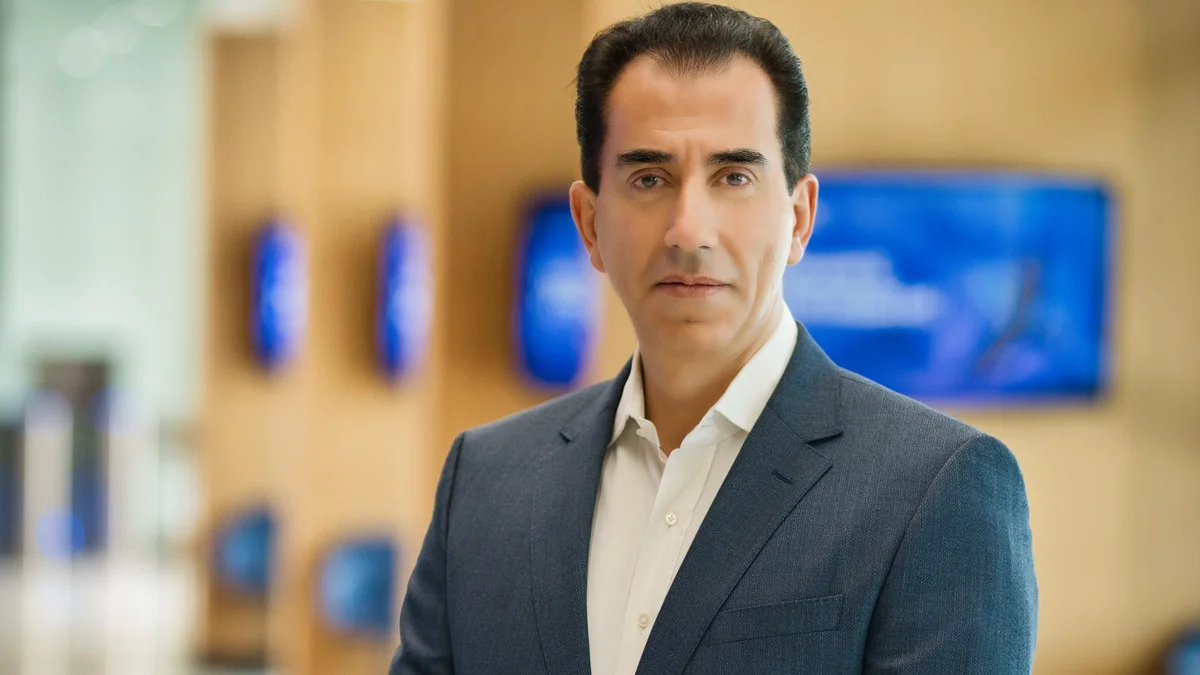
Mohamed Tawil, head of Human Pharmaceuticals, META, said: “At Boehringer Ingelheim, we remain committed to supporting patients and health care professionals by driving the implementation of stroke units within hospitals to reduce the burden of stroke disability and so that lives are not lost as a result of not being able to reach the nearest center on time, and eventually leading to faster and better patient outcomes.”
“The medical community focuses on making the right choice for patients when it comes to stroke prevention through the use of oral anti-coagulants, which are used to treat atrial fibrillation. Studies have shown that anticoagulation can result in a 64 percent reduction in strokes. Rapid diagnosis in a dedicated stroke center can quickly determine the stroke and immediate medical treatment, in less than 60 minutes, known as the Golden Hour reduces the chances of further complications,” added Dr. Alhazzani.