- Oil prices increased for the second consecutive session due to ongoing concerns about Middle East supply disruptions stemming from the US-Israeli conflict with Iran.
- Brent crude futures rose by 1.6% to $106.99 a barrel, while US West Texas Intermediate crude increased by 1.5% to $94.
- Despite rising exports from the Gulf, higher oil prices persist due to reliance on costly and less efficient shipping methods like ship-to-ship transfers.
- Middle Eastern crude exports reached 12.8 million barrels per day in September, the highest since February, aided by increased shipments from Saudi Arabia and the UAE.
- The US-Iran standoff continues to elevate oil supply uncertainty, with Iranian officials expressing pessimism about potential agreements before further escalations.
- The US is exploring regulatory measures to facilitate broader sales of red-dyed diesel to help lower prices, as an alternative to a diesel export ban.
BENGALURU: Oil prices rose for a second successive session on Tuesday as lingering concern over Middle East supply disruption brought about by the US-Israeli war on Iran outweighed signs of recovering crude exports from the region.
Brent crude futures for November rose $1.71, or 1.6 percent, to $106.99 a barrel at 09:26 a.m. Saudi time, while the more actively traded Brent December contract rose $1.68 to $99.51 a barrel. Meanwhile, US West Texas Intermediate crude was at $94, up $1.4, or 1.5 percent.
A day earlier, both benchmarks closed nearly $1 a barrel higher.
“A clearer picture is emerging of higher oil export volumes leaving the Gulf, but much of that increase still relies on workarounds such as ship-to-ship transfers. Those methods are less efficient and more costly than normal operations, which is why crude prices remain elevated,” said KCM Trade chief analyst Tim Waterer.
Crude exports from major Middle Eastern producers climbed to 12.8 million barrels a day in September, the highest since February, preliminary figures from data provider Kpler showed on Monday, helped by increased shipments from Saudi Arabia and the UAE.
US and Iranian officials spoke separately with mediators in a renewed effort to end seven months of war, officials of both countries said. Further talks are widely expected to focus on an amended version of a seven-day proposal that Iran presented last week on the sidelines of the UN General Assembly.
“The dominant risk remains the US-Iran standoff and its implications for energy prices and inflation expectations,” said UOB analysts in a client note.
“Iranian officials have reportedly expressed pessimism about reaching a deal before the Strait of Hormuz situation escalates further, keeping oil supply uncertainty elevated.”
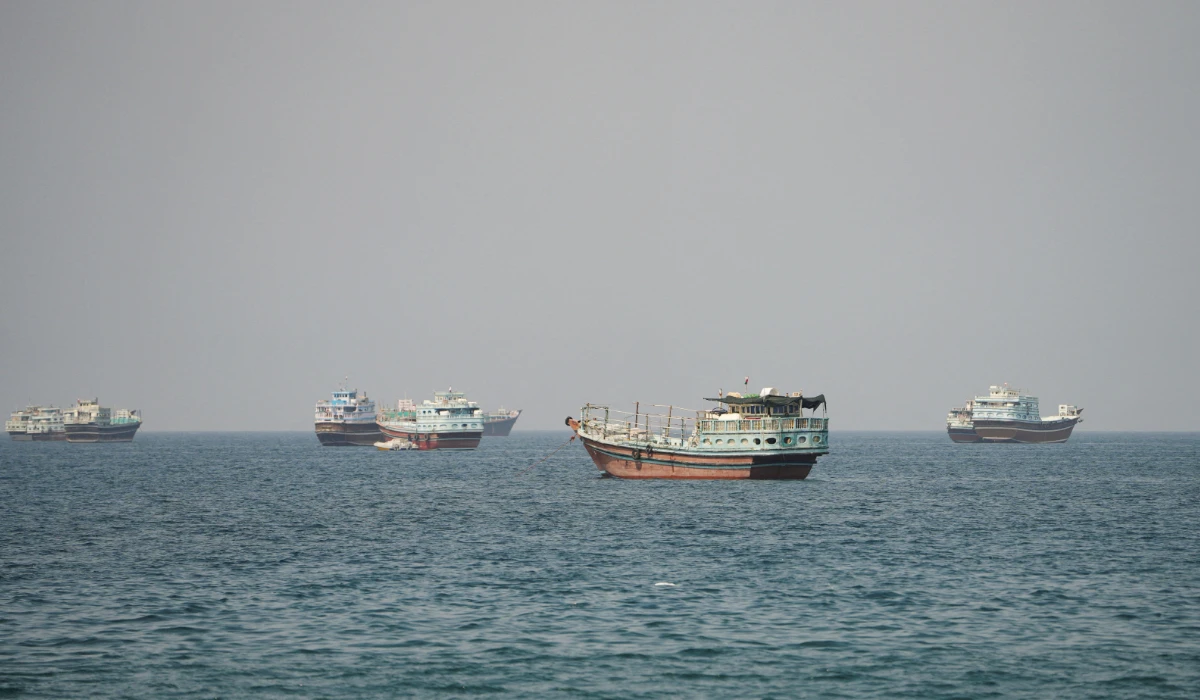
The war, which began in late February with US and Israeli attacks on Iran, has focused attention on the Strait of Hormuz, a crucial shipping lane for oil and gas supplies, the disruption of which has upended energy markets.
Meanwhile, the US is considering regulatory relief to allow broader sales of red-dyed diesel to help lower prices, action that could allow some buyers to avoid federal fuel tax, people familiar with discussions told Reuters. The proposal emerged from days of deliberation as a leading alternative to a diesel export ban.