- The latest front line in Sudan’s war between the regular army and the RSF is the border region with Ethiopia
- This year alone, nearly 100,000 people have been displaced across Blue Nile state
KHARTOUM: A drone strike launched by Sudan’s paramilitary Rapid Support Forces killed 26 women and four children on Friday near the southeastern border with Ethiopia, an official and eyewitnesses told AFP.
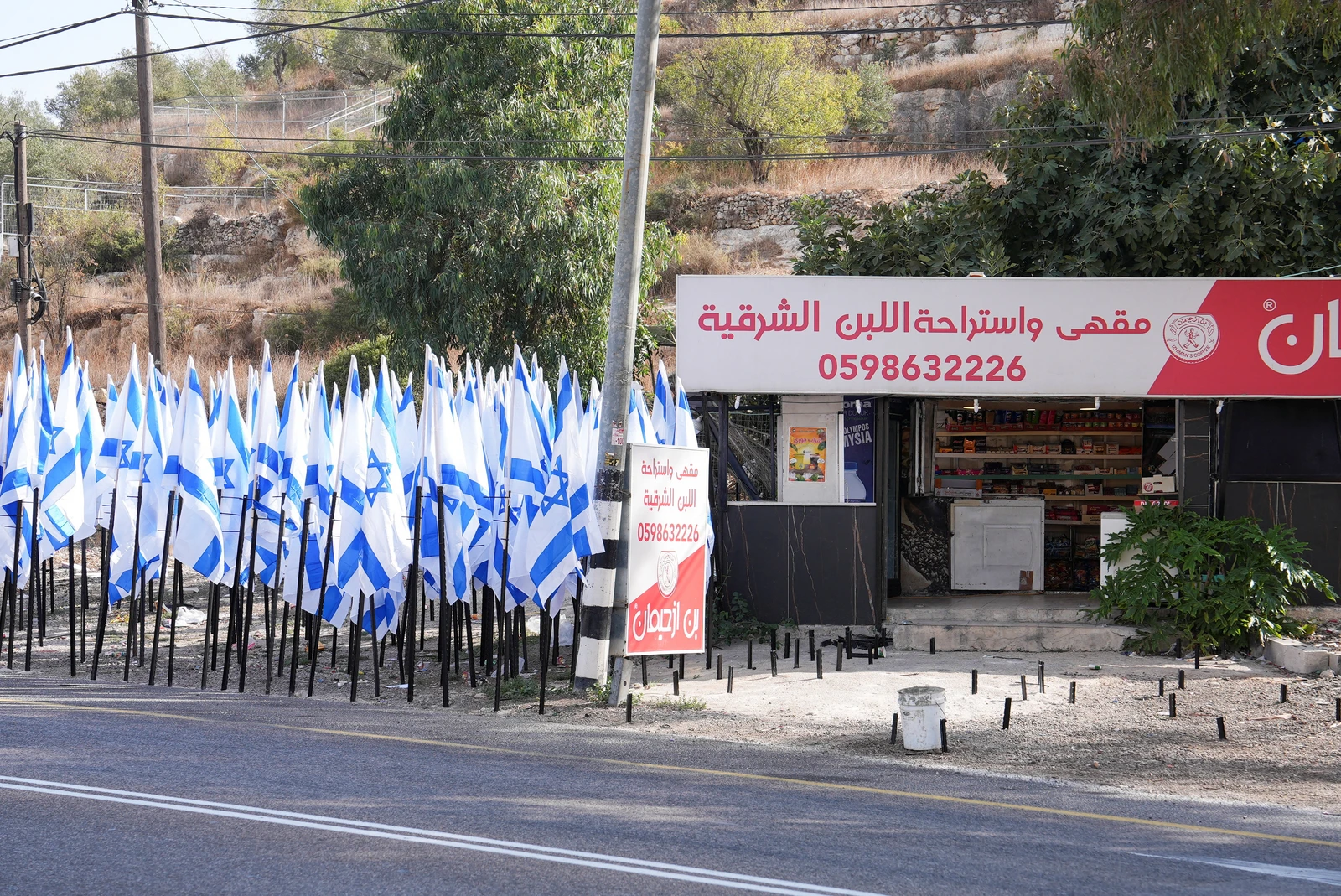
The latest front line in Sudan’s war between the regular army and the RSF is the border region with Ethiopia, which is facing its own internal conflict that threatens to escalate into a regional war.
Since Sudan’s war broke out in April 2023, it has killed more than 200,000 people, aid workers estimate, and created the world’s largest hunger and displacement crises.
This year alone, nearly 100,000 people have been displaced across Blue Nile state, according to UN figures.
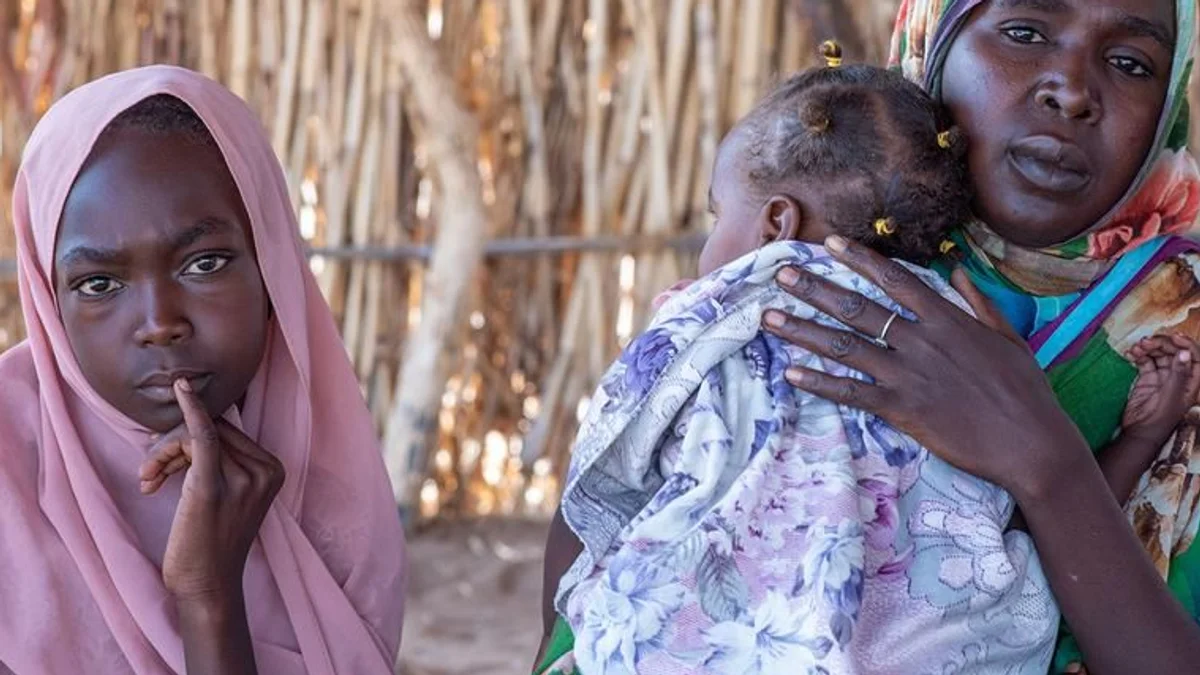
In a displacement camp in Blue Nile’s Abu Shendi, survivors “buried 26 women and four children” from Friday’s strike, one person involved in the burial told AFP.
The drone hit just outside the camp, near an informal gold mining site, where women earn a daily wage using chemicals and their bare hands to clear gold nuggets from clumps of earth men have extracted.
The victims included “young girls who work with their families in refining the gold,” another eyewitness said.
The country’s multi-billion-dollar gold trade, built mostly on makeshift operations like Abu Shendi’s, fuels the war efforts of both sides.
Mahgoub Al-Sheikh, the governor of Wad Al-Mahi where the attack took place, said the drone was launched from “inside Ethiopia.”
Sudan has repeatedly accused Ethiopia of harboring RSF fighters and bases within its territory.
Ethiopia has denied the accusations, though local sources say the porous border is a key supply line for the paramilitary and its allies.
‘War of atrocities’
Throughout this year, the RSF has pushed an offensive approaching state capital El-Damazin.
The advance could put the army in a bind, forcing it to defend territory on both the Blue Nile front and in the Kordofan region, where a year of deadly drone strikes has left the two sides in a stalemate.
The Sudan war, now in its fourth year, has evolved into an ever more sophisticated conflict using armed drones, enabling both sides to launch far-reaching attacks without sacrificing their fighters.
More than 1,100 people were killed by drone strikes during the first five months of this year alone, according to UN figures.
The conflict, which the UN calls a “war of atrocities,” has visited a litany of horrors on civilians including ethnic massacres, famine and indiscriminate attacks on residential areas.
The RSF has specifically been accused of genocide and systematic sexual violence.
Attempts to bring the warring parties to the table have failed, as former allies army chief Abdel Fattah Al-Burhan and RSF commander Mohamed Hamdan Dagalo jostle for the upper hand.
Both continue to receive robust support from external powers, according to the UN, who fuel the conflict with weapons and mercenaries.
The UAE denies widespread reports it backs the RSF through Sudan’s neighbors, while the army has received support from Egypt, Saudi Arabia and Turkiye.