- Continuing violations of Syrian sovereignty by Israel threaten to unravel fragile, post-war recovery, the country’s UN envoy warns
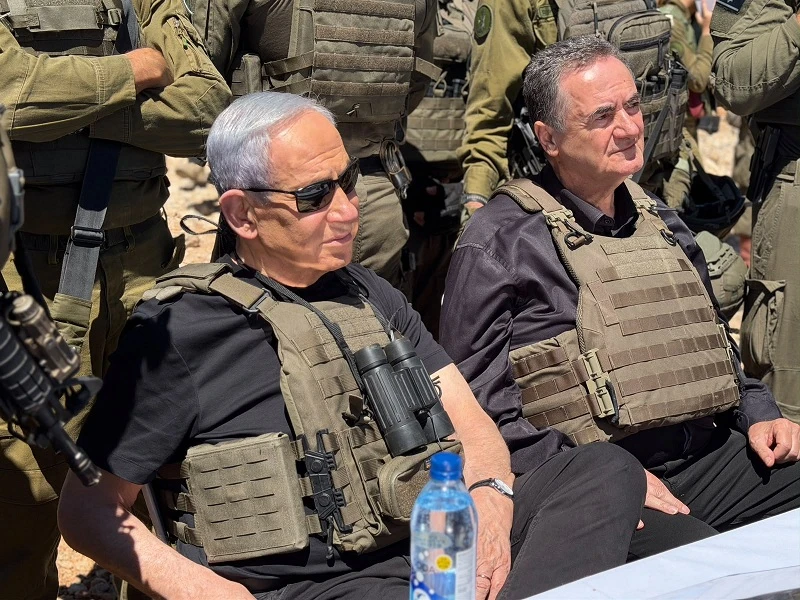
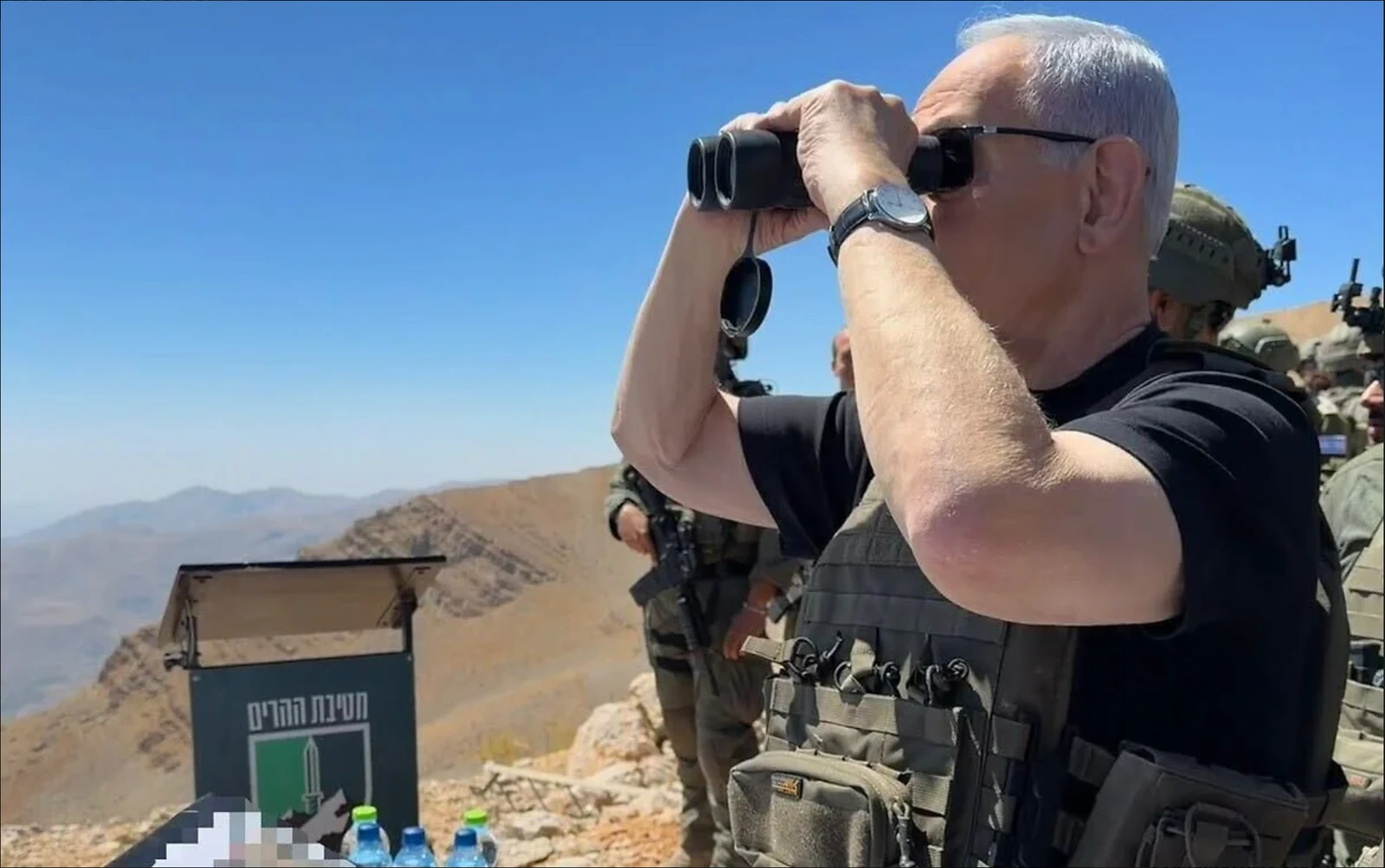
- 2 days earlier, Israeli Prime Minister Benjamin Netanyahu and Defense Minister Israel Katz visited Israeli military positions on the mountain, in Syrian territory
NEW YORK CITY: More than 40 countries — spanning the Arab world, Africa, Asia, Europe and Latin America — stood with Syria at the UN on Friday as its envoy accused Israel of violating its sovereignty by dispatching top government officials to the summit of Mount Hermon this week.
Ibrahim Olabi, Syria’s permanent representative to the UN, warned that continuing Israeli incursions threatened to unravel the country’s fragile, post-war recovery.
On Sept. 9, the Israeli prime minister, Benjamin Netanyahu, visited Israeli military positions on Mount Hermon, inside Syrian territory, accompanied by the defense minister, Israel Katz, and declared that Israel now held unprecedented control stretching from the summit of the mountain south to the Yarmouk River and west to the Mediterranean.
Olabi told reporters that Israeli officials had entered “the sovereign territory of the Syrian Arab Republic” and proceeded to the summit of the mountain, describing these actions as part of a pattern of “continued Israeli military presence and repeated incursions into Syrian territory.”
He added: “Sovereignty is not selective. Territorial integrity is not negotiable. It is the indispensable pillar of the international system and the first line of defense against global instability.”
Invoking the UN Charter and the 1974 Agreement on Disengagement between Israeli and Syrian forces, Olabi said both documents were clear that established lines and arrangements “must be fully respected and upheld.”
Saudi Arabia joined a broad coalition of Arab and Islamic states including Egypt, Jordan, Iraq, Qatar, Kuwait, the UAE, Bahrain, Oman, Lebanon and the State of Palestine, in backing Syria's position. China, Russia, Brazil, Indonesia, Pakistan, Turkiye and the Republic of Korea similarly stood with Damascus, alongside African states including Algeria, Libya, Morocco, Mauritania, Tunisia, Sudan, Somalia, Djibouti and Comoros. France, Canada, Spain, Portugal, Norway and Sweden were among the Western states present, with other members of the Organisation of Islamic Cooperation and the EU also joining them.
Olabi said Syria had “consistently distanced itself from the ongoing regional escalation” and repeatedly affirmed that it posed no threat to its neighbors, a stance he said had been “repeatedly acknowledged” by the international community.
He warned that any further military or political action risked undermining the progress that has been made by the new Syrian government since the fall of the Assad regime in December 2024 after nearly 14 years of civil war, including its counterterrorism efforts, a crackdown on captagon production and trafficking, steps to address the legacy of the Assad regime’s chemical weapons program, the resolution of nuclear issues, the consolidation of weapons under state control, the return of displaced persons and refugees, and economic recovery.
“This is for the sake of its people, the region and international peace and security,” Olabi said as he concluded the statement on behalf of the assembled states.