CAIRO: The scale of the bloodshed was vastly higher than past militant attacks but the Egyptian government response was the same: Three days of mourning, reassuring messages in the media that things are under control, and the president promising vengeance.
The identical pattern in the aftermath of Friday’s attack on a mosque in Sinai, which killed 305 people, raises the question whether Egypt has any options left in the fight against militants.
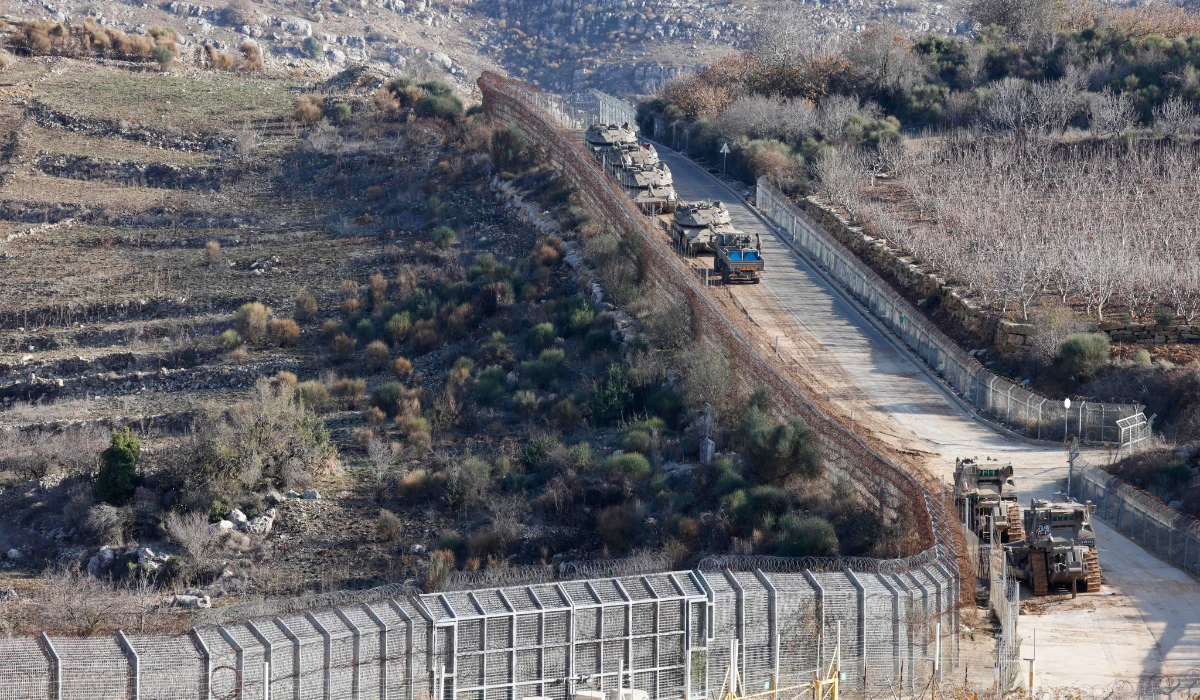
The military has thrown tanks, fighting vehicles, fighter-jets, warships and helicopter gunships along with tens of thousands of security forces in three years of conflict with extremists, including an affiliate of Daesh in the northern part of the Sinai Peninsula.
The area has been under emergency law for several years and the entire country since April. Security forces have forcibly evacuated areas adjacent to the border with Gaza.
They have blown up underground tunnels that authorities believe militants used to smuggle weapons and fighters in from neighboring Gaza, ruled by the Palestinian militant group Hamas. These measures have shown few tangible results.
The firepower and troop deployments in Sinai have kept militants from holding territory but have not prevented them from carrying out assassinations that terrorize the population and launching deadly attacks on military and police posts and convoys and recently a daylight robbery in Sinai’s largest town.
In a televised address, President Abdel-Fattah El-Sisi pledged the use of “brute force” in response to Friday’s attack. “The armed forces and police will forcefully take revenge for our martyred sons and restore security and stability in the short period ahead,” he vowed.
There is little public discussion of how to conduct the war and northern Sinai area is closed off to journalists, making it difficult to assess what is going on.
Last month, El-Sisi removed the armed forces’ chief of staff and top police generals after a planned attack on militants in the Western Desert went wrong. The operation left over a dozen counterterrorism police officers dead.
Egypt shares a long desert border with Libya — a country mired in chaos and rife with armed militant groups — through which weapons and fighters can be smuggled. That has fueled a second front of militant violence in the west, with signs of arms movements to the Sinai extremists.
Egypt’s response has been in line with a longstanding model of fighting a conventional war against an opposing army. Indeed, recent years have seen up to $15 billion in arms deals, largely for big-ticket items such as two helicopter carriers, submarines, assault helicopters and fighter jets.
But experts have called for a counterterrorism strategy in Sinai rather than the reliance on a conventional deployment of overwhelming force.
Warplanes and attack helicopters have limits in a rugged mountain terrain that the militants know far better than the military does. And forces moving with tanks and heavy vehicles are often ambushed by the more agile militants using light arms, machine guns, roadside bombs and suicide bombers.
El-Sisi recently said security forces are hampered by the presence of civilians in Sinai, requiring extreme caution which benefits the insurgents.
The identical pattern in the aftermath of Friday’s attack on a mosque in Sinai, which killed 305 people, raises the question whether Egypt has any options left in the fight against militants.
The military has thrown tanks, fighting vehicles, fighter-jets, warships and helicopter gunships along with tens of thousands of security forces in three years of conflict with extremists, including an affiliate of Daesh in the northern part of the Sinai Peninsula.
The area has been under emergency law for several years and the entire country since April. Security forces have forcibly evacuated areas adjacent to the border with Gaza.
They have blown up underground tunnels that authorities believe militants used to smuggle weapons and fighters in from neighboring Gaza, ruled by the Palestinian militant group Hamas. These measures have shown few tangible results.
The firepower and troop deployments in Sinai have kept militants from holding territory but have not prevented them from carrying out assassinations that terrorize the population and launching deadly attacks on military and police posts and convoys and recently a daylight robbery in Sinai’s largest town.
In a televised address, President Abdel-Fattah El-Sisi pledged the use of “brute force” in response to Friday’s attack. “The armed forces and police will forcefully take revenge for our martyred sons and restore security and stability in the short period ahead,” he vowed.
There is little public discussion of how to conduct the war and northern Sinai area is closed off to journalists, making it difficult to assess what is going on.
Last month, El-Sisi removed the armed forces’ chief of staff and top police generals after a planned attack on militants in the Western Desert went wrong. The operation left over a dozen counterterrorism police officers dead.
Egypt shares a long desert border with Libya — a country mired in chaos and rife with armed militant groups — through which weapons and fighters can be smuggled. That has fueled a second front of militant violence in the west, with signs of arms movements to the Sinai extremists.
Egypt’s response has been in line with a longstanding model of fighting a conventional war against an opposing army. Indeed, recent years have seen up to $15 billion in arms deals, largely for big-ticket items such as two helicopter carriers, submarines, assault helicopters and fighter jets.
But experts have called for a counterterrorism strategy in Sinai rather than the reliance on a conventional deployment of overwhelming force.
Warplanes and attack helicopters have limits in a rugged mountain terrain that the militants know far better than the military does. And forces moving with tanks and heavy vehicles are often ambushed by the more agile militants using light arms, machine guns, roadside bombs and suicide bombers.
El-Sisi recently said security forces are hampered by the presence of civilians in Sinai, requiring extreme caution which benefits the insurgents.