
- Gaza has no fully functioning hospitals 1 year into ceasefire, Physicians for Human Rights Israel says
- Despite improvements in nutrition indicators, according to MedGlobal, health system remains devastated
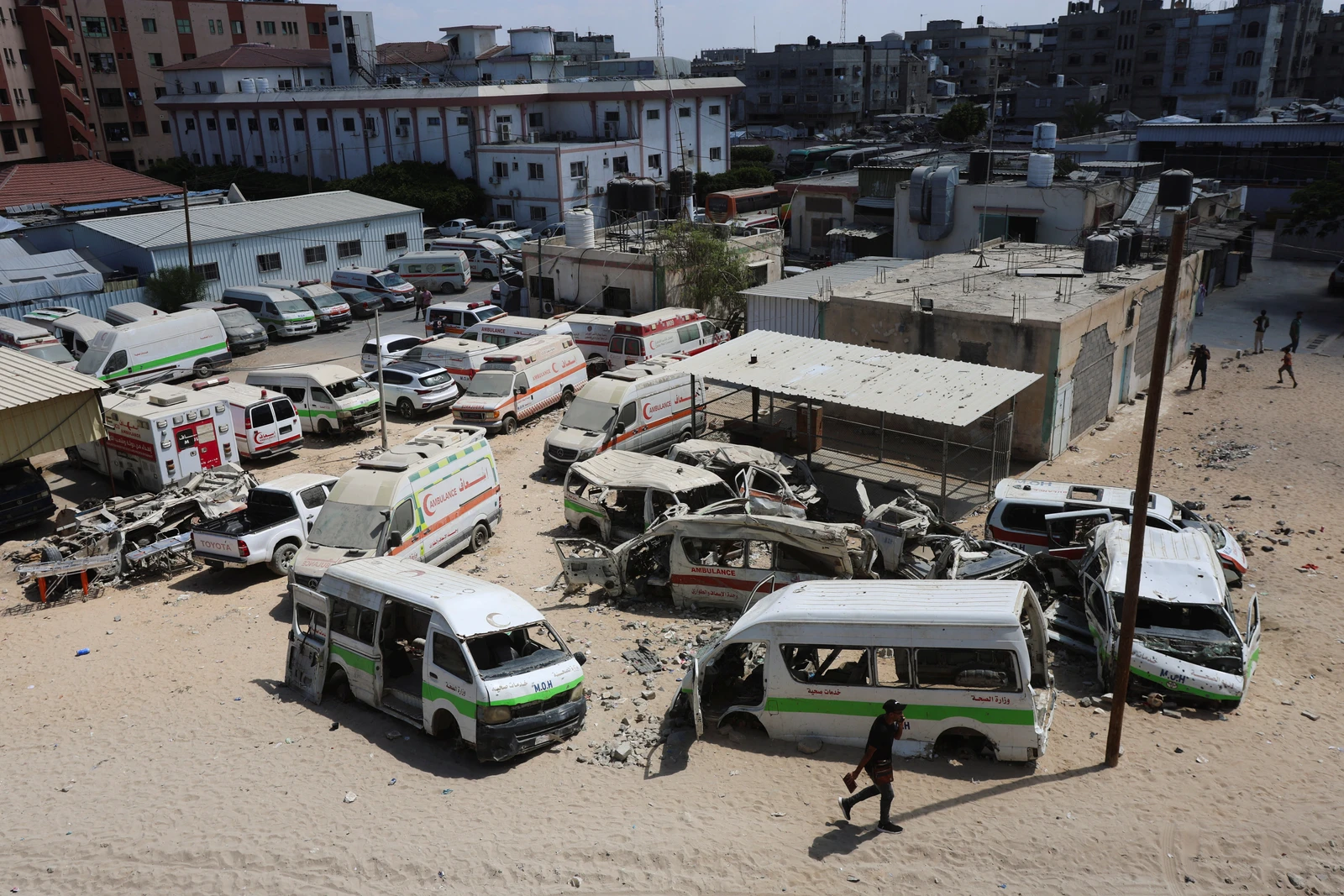
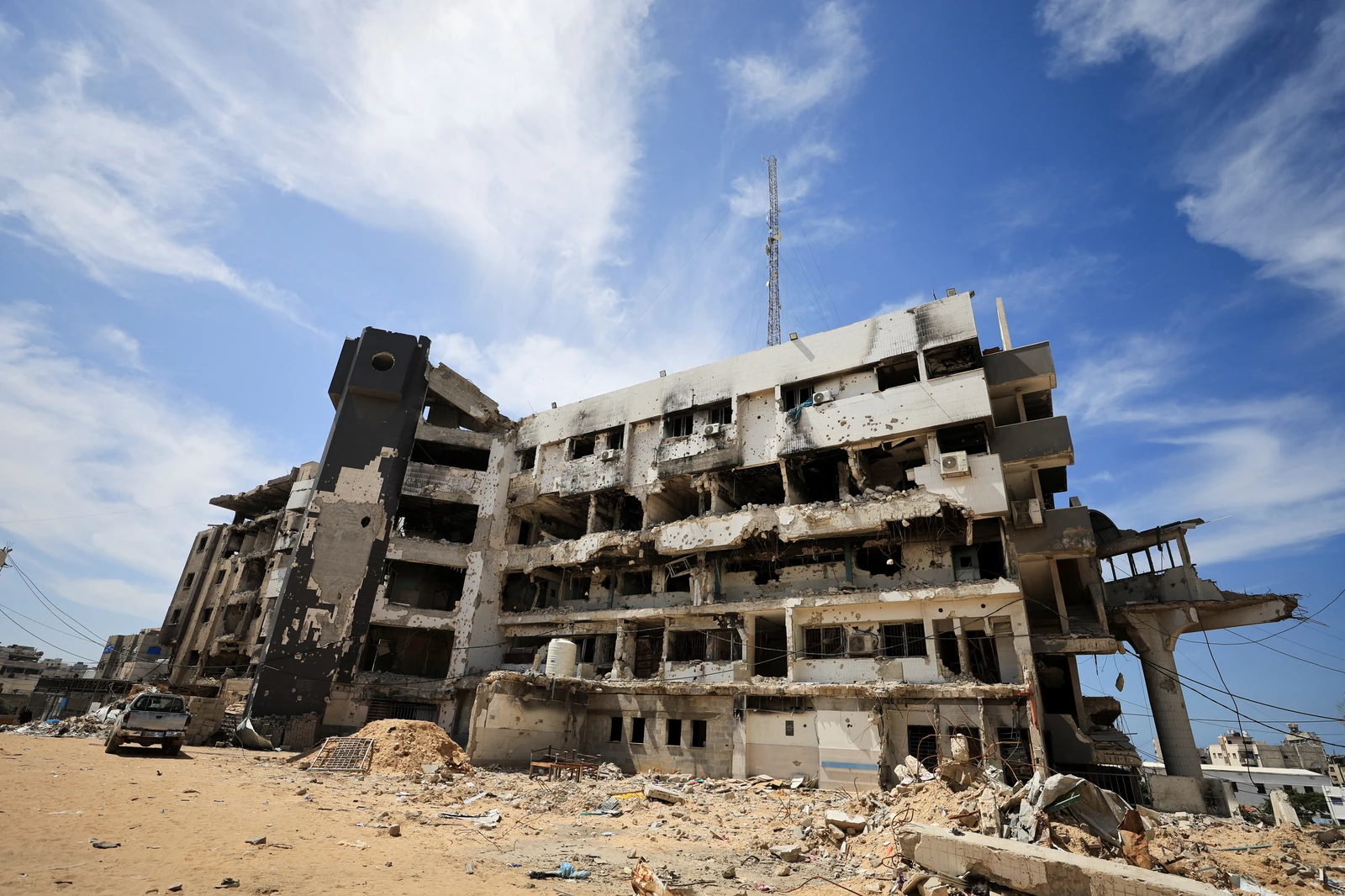
LONDON: Gaza has no fully functioning hospital almost a year after a ceasefire took effect, while its intensive care capacity has grown by just one bed, an Israeli rights group said Thursday, warning that restrictions on medical supplies and patient transfers continue to cost lives.
Physicians for Human Rights Israel said in a new report that restrictions on supplies, treatment outside the Palestinian enclave and reconstruction have prevented the healthcare system from recovering.
Some services have deteriorated since the October 2025 ceasefire, leaving thousands of patients without access to lifesaving care, it said.
“A year of ‘ceasefire’ should have brought meaningful relief and rehabilitation to Palestinians and allowed the recovery and reconstruction of the decimated healthcare system,” said Milena Ansari, director of the group’s Occupied Territory Department and the report’s author.
“Instead, the healthcare system remains devastated, essential medicines and supplies are still not reaching Gaza at the scale required, and patients continue to die while being denied access to treatment a few kilometers away in the West Bank, including East Jerusalem,” she said.
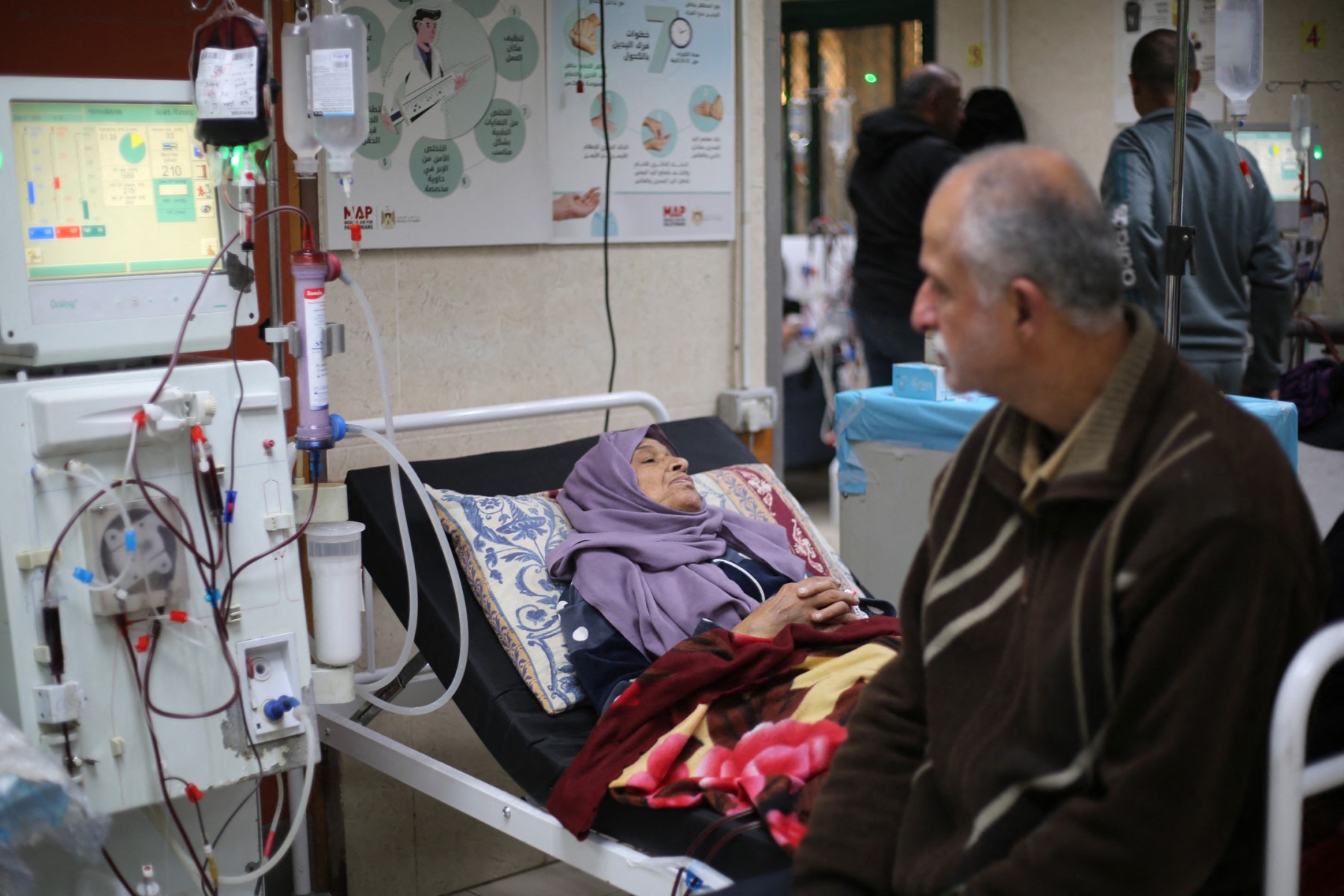
The report compared conditions before October 2023, when the war began, with those at the start of the ceasefire and in subsequent months. The number of partially functioning hospitals rose from 14 to 20 out of Gaza’s 36, but none returned to full operation.
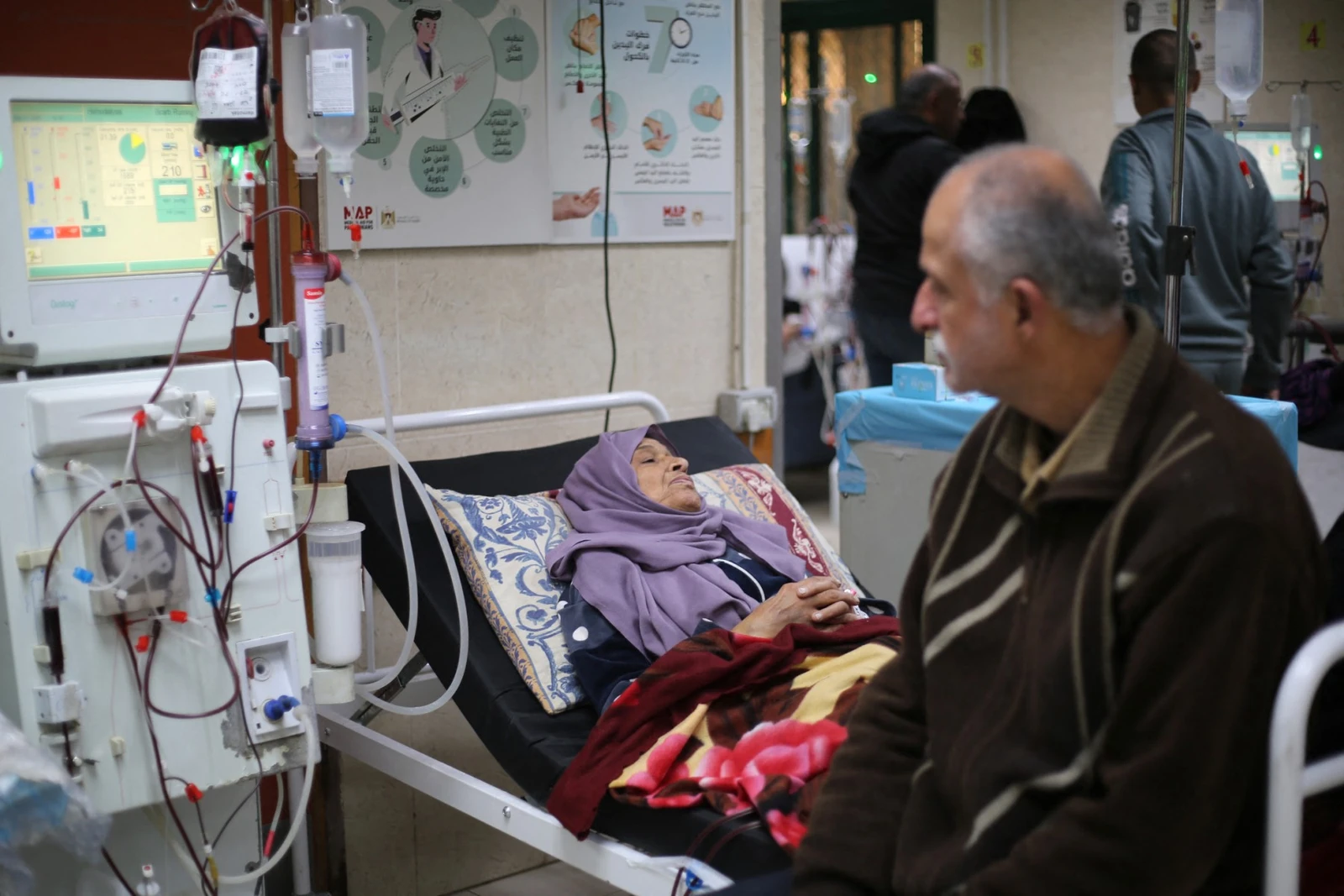
Gaza had 104 intensive care beds in July, compared with 103 when the ceasefire began. Hemodialysis was available at 12 percent of healthcare facilities, down from 17 percent, while MRI services remained unavailable.
Citing figures from Israel’s Coordination of Government Activities in the Territories, the report said 69 percent of health products approved for entry between January and May never reached Gaza.
The World Health Organization documented at least 143 additional attacks on healthcare during the ceasefire’s first seven months, according to the report.
Earlier this month, the UN health agency warned that repeated delays in bringing lifesaving medicines, prosthetics and other supplies from Israel into Gaza risked “devastating consequences” for patients.
“A truck full of non-priority supplies or the right supplies arriving too late, doesn’t save lives. That’s the question that actually matters,” said Reinhilde Van De Weerdt, the WHO’s representative in Palestine.
She urged Israeli authorities to “release the pressure on medical supplies,” saying essential medicines should not be classified as dual-use items — goods that could have both civilian and military applications.
With treatment limited inside Gaza, patients continue to depend on medical evacuations that remain far below prewar levels despite substantially greater need, PHRI said.
About 5,700 patients were evacuated abroad between Oct. 10, 2025, and mid-September 2026, according to the report — about one-sixth to one-third of the prewar rate, when 50 to 100 patients left Gaza for treatment each day.
At least 1,570 patients died awaiting evacuation between October 2023 and July 2, 2026, according to figures from Gaza’s health authority cited in the report. They included 505 cancer patients and at least 264 children.
Maysa Yousef, an artist in central Gaza whose husband holds a senior position with the WHO, described lengthy delays and harsh treatment of patients at the crossing. Those returning from treatment in Egypt, she told Arab News, were allowed to bring back only one bag weighing 20 kg, or about 44 pounds.
Yousef also described the case of a journalist’s son who is deaf and has Down syndrome. The child had waited two years to travel for a cochlear implant, she said, only for his paperwork to be canceled a month ago because newer patients were being given priority.
“We spoke to so many people whom we thought could help, but they couldn’t do anything,” she said.
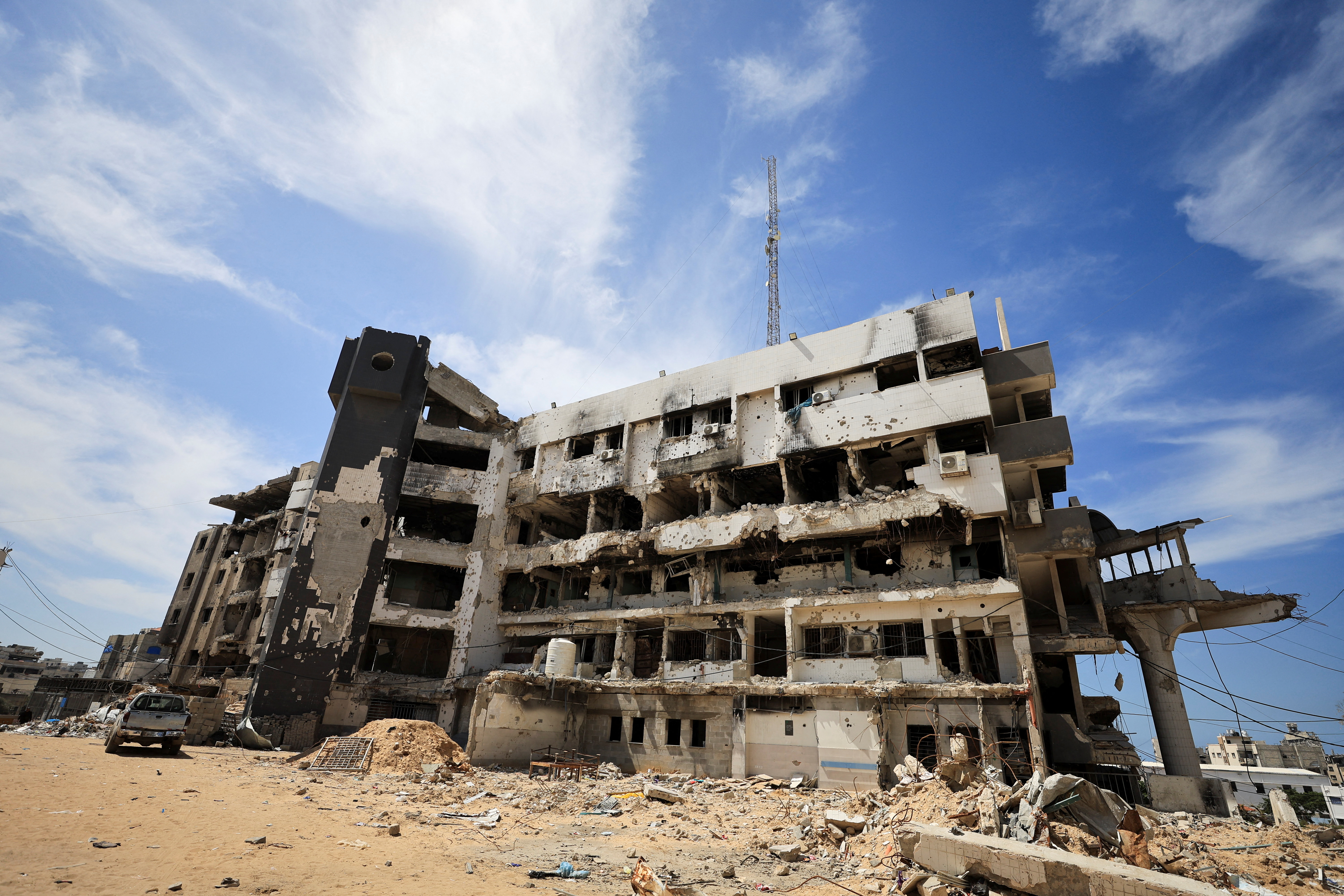
PHRI said Israel continues to bar medical transfers to Palestinian hospitals in the occupied West Bank, including East Jerusalem, relying instead on evacuations to third countries that cannot accommodate the need.
In July, Israel’s High Court declined to intervene in the blanket ban and ordered the state to provide another update in December, the group said.
PHRI’s report also cited WHO Health Cluster data showing that Israeli forces killed at least 1,422 Palestinians and injured 5,150 between the ceasefire announcement and the end of September 2026.
The rights group said the findings reflected more than a slow recovery. It accused Israel of perpetuating acts it had characterized as “genocide” in a 2025 report, including deliberately imposing conditions intended to bring about the destruction of Gaza’s Palestinian population.
Nonetheless, separate findings show modest improvements in nutrition following expanded humanitarian access.
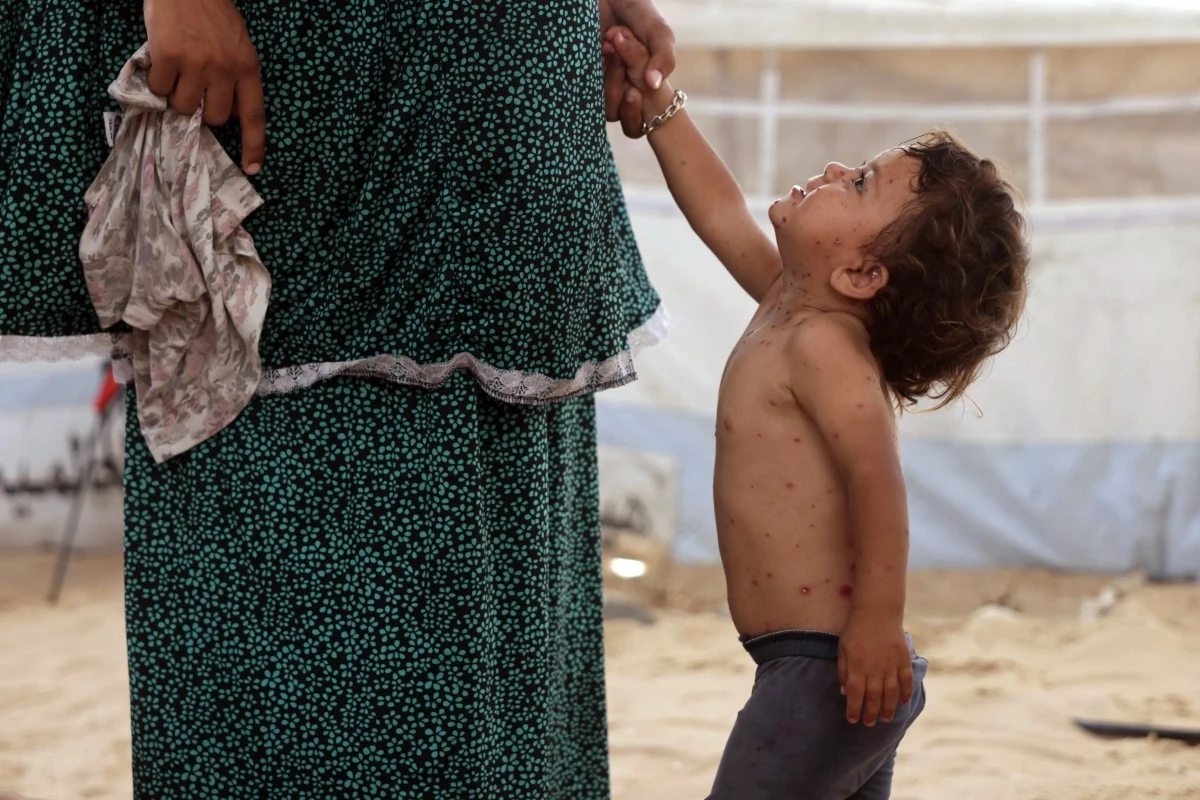
In a report shared exclusively with Arab News ahead of its release later this month, US-based nonprofit MedGlobal found that acute malnutrition among children younger than 5 fell from 16.8 percent in July 2025 to 8.4 percent in July 2026 following expanded access after the ceasefire.
Severe acute malnutrition fell from 6.8 percent to 2.1 percent, a decline of about 69 percent. Exclusive breastfeeding rose from 34.1 percent to 58.1 percent, while the proportion of children meeting minimum dietary diversity standards increased from 32.2 percent to 55.1 percent.
Maternal acute malnutrition fell from 22.2 percent to 17.4 percent, while the rate among adolescent girls declined from 39 percent to 27.1 percent.
“Acute malnutrition among children was cut in half. Severe acute malnutrition fell by more than two-thirds,” said Dr. Zaher Sahloul, MedGlobal’s president and CEO.
“That is not a miracle,” Sahloul told Arab News. “It is what happens when treatment, food, counseling and access reach families. The gains are real, and they are reversible.”
Sahloul cautioned that the findings were “not a victory lap.”
The Integrated Food Security Phase Classification, known as the IPC, still projects that 74,200 children ages 6 months to 59 months will need treatment for acute malnutrition through April 2027, including more than 11,400 with severe acute malnutrition.
The assessment also found persistent disparities. Acute malnutrition affected 10.5 percent of girls, compared with 6.5 percent of boys, while only 15.7 percent of children continued breastfeeding into their second year.
The World Food Programme has warned that up to 90 percent of Gaza’s population could fall back into severe food insecurity if assistance declines.