- UN analysis records a 60 percent rise in reported gender-based violence in first half of 2026
- Stigma and damaged services leave survivors struggling to find help as adolescent pregnancies compound crisis
LONDON: As Gaza dominates discussions for yet another year at the UN General Assembly in New York, newly published UN reports warn of growing threats to women and girls in Gaza, where displacement, hunger and the breakdown of public services are increasing their vulnerability to abuse and forced marriage.
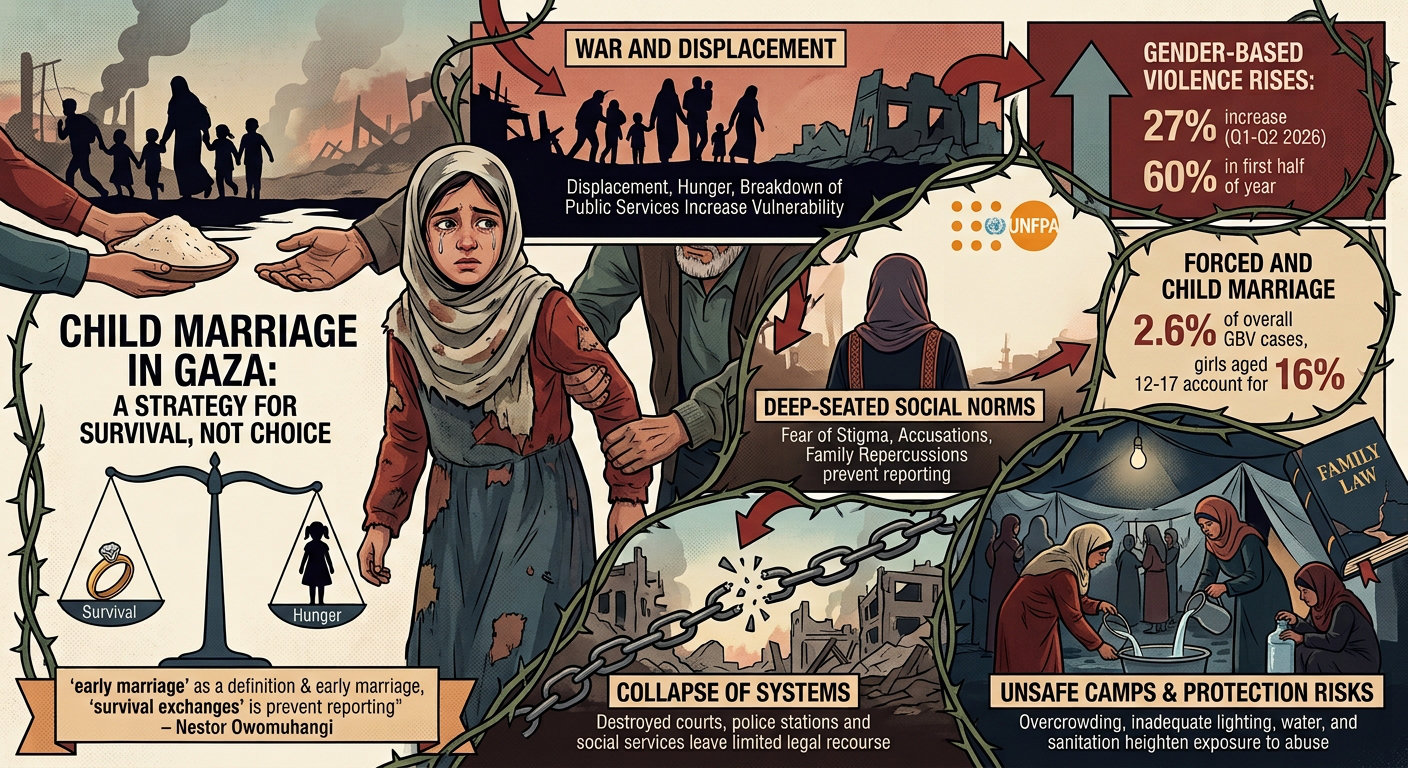
Analysis published by the UN Population Fund, known as UNFPA, found that reported incidents of gender-based violence rose 27 percent between the first and second quarters of 2026, and 60 percent in the first half of the year alone. It also warned of increasing reports of child and forced marriage and sexual violence.
The figures reflect cases reported to service providers, rather than the prevalence of violence across Gaza. UNFPA cautioned that expanded services and greater opportunities for confidential reporting had contributed to the increase, alongside worsening protection risks.
“Behind this alarming surge in reported incidents lies a devastating breakdown of safety and human dignity,” said Nestor Owomuhangi, Palestine country representative for UNFPA, which compiled the report with local NGO partners.
The agency called for funding to prevent and respond to gender-based violence to be treated as “a non-negotiable pillar of humanitarian response.”
Reported forced and child marriages still represent a small share of overall gender-based violence cases — 2.6 percent, up from 2 percent — but the number of GBV cases jumped 123 percent between the first and second quarters of 2026. Women aged 18 to 59 made up roughly two-thirds of survivors in this category; girls aged 12 to 17 accounted for about 16 percent.
Reports of sexual violence, including rape and sexual assault, rose from 2.1 percent to 2.7 percent of incidents — a 61 percent increase in absolute cases, which UNFPA called “critical.” Denial of resources, emotional abuse and physical assault remained the most commonly reported forms of violence.
The quarterly analysis draws on cases handled by 10 organizations, including the Women’s Affairs Center, the Aisha Association for Women and Child Protection and UNRWA, the UN agency for Palestinian refugees. A separate UNFPA report examined the experiences of 230 displaced women in Gaza City and Khan Younis. It was based on 16 focus group discussions conducted by the Women’s Affairs Center between December 2025 and January 2026.
In one account, a woman described how a father, during a period of severe famine, married off his 14-year-old daughter in exchange for two bags of flour so his remaining children could eat. Six women across different displacement camps described similar survival exchanges — arrangements they said would have been unthinkable before the war began in 2023. These were participants’ accounts, rather than independently verified findings about individual marriages.
“Violence against women and girls is never random nor caused by a single factor,” Ilaria Bertocchini, gender expert and co-founder of the Italy-based Mediterranean Platform, told Arab News. “From a feminist perspective, it is rooted in unequal power relations and patriarchal structures that exist in both times of peace and times of war.”
She explained that the war has “dramatically intensified these vulnerabilities” through mass displacement, the collapse of sexual, reproductive and maternal healthcare and rights, and the loss of livelihoods — “(all of) which have caused devastating physical and psychological conditions.”
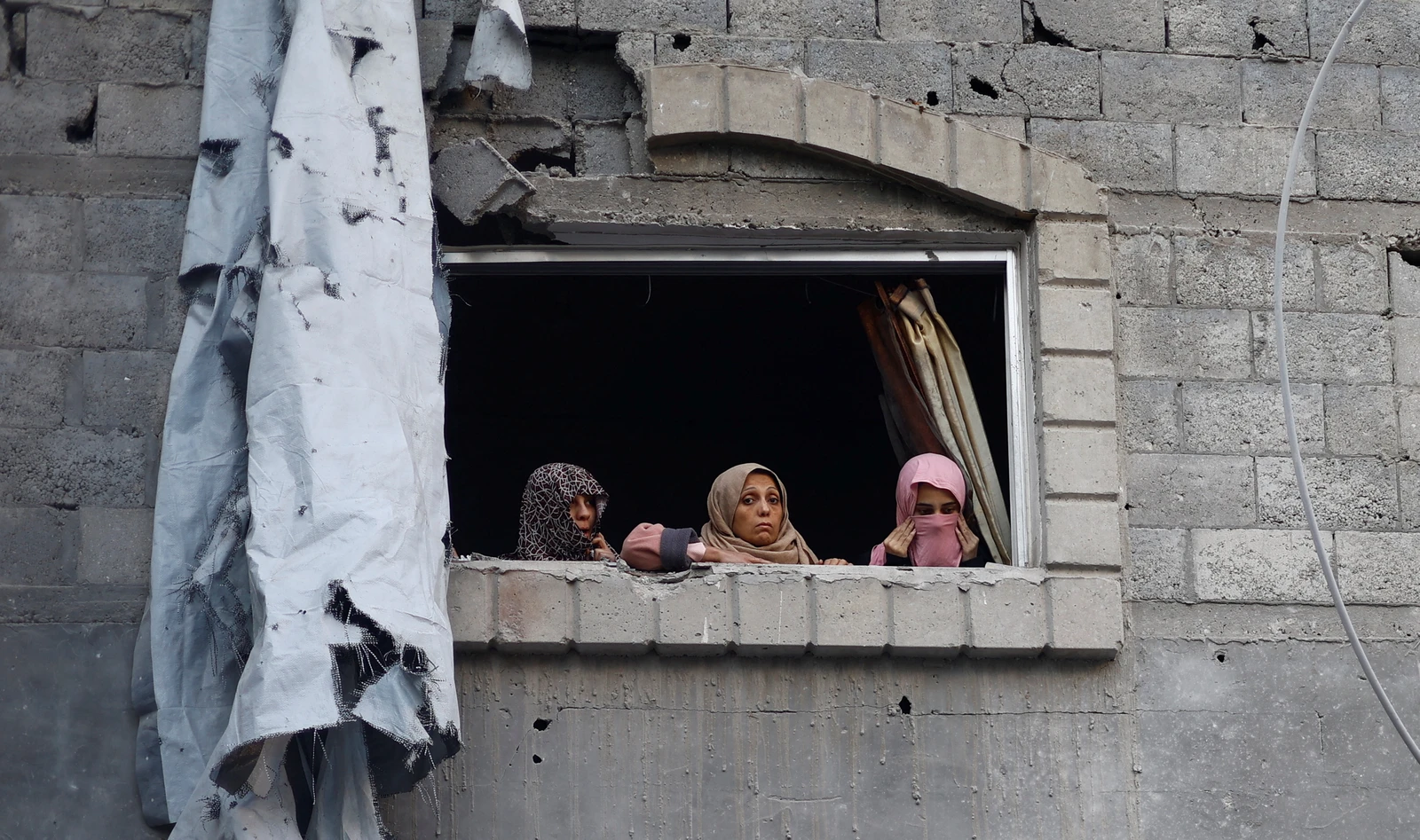
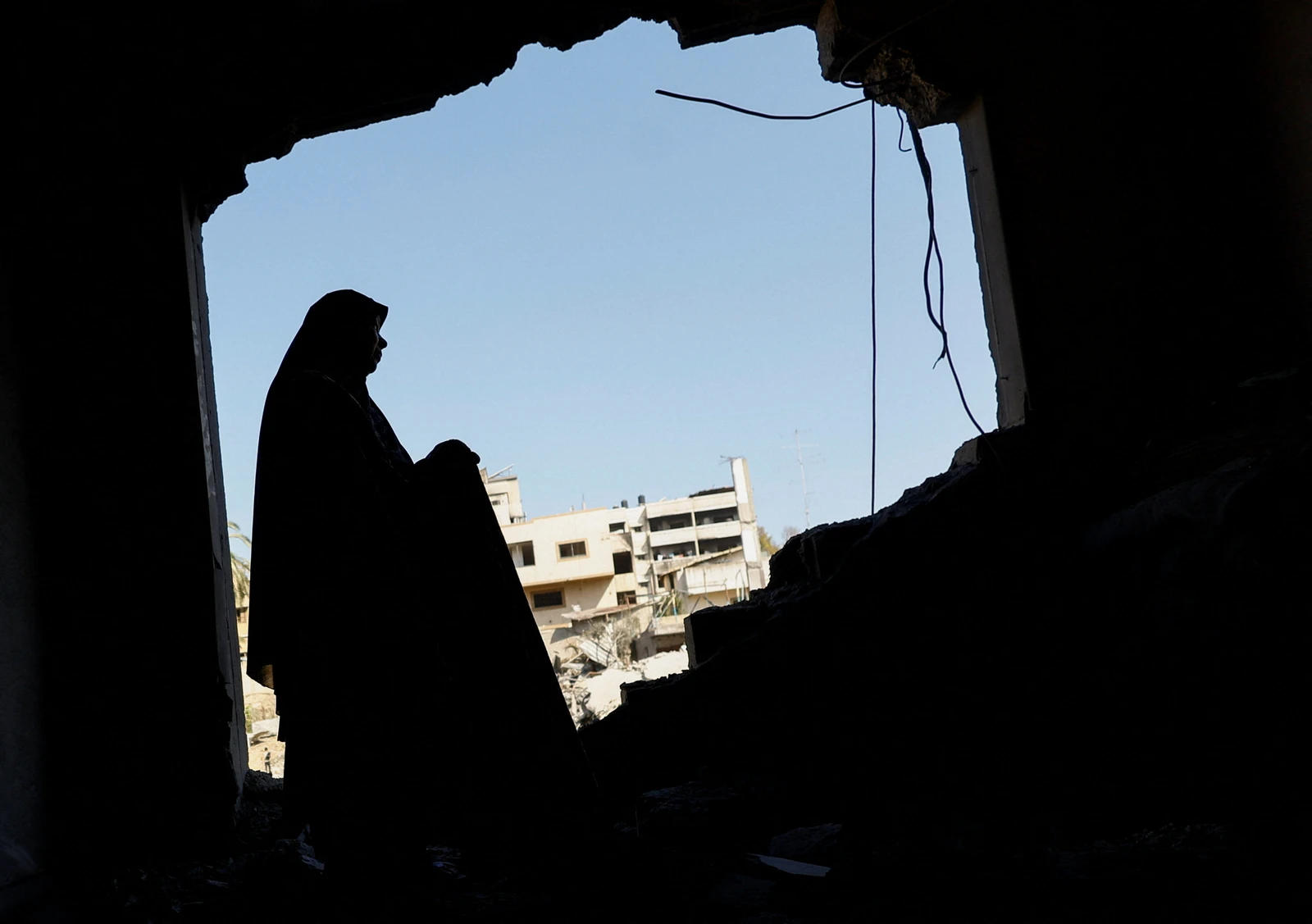
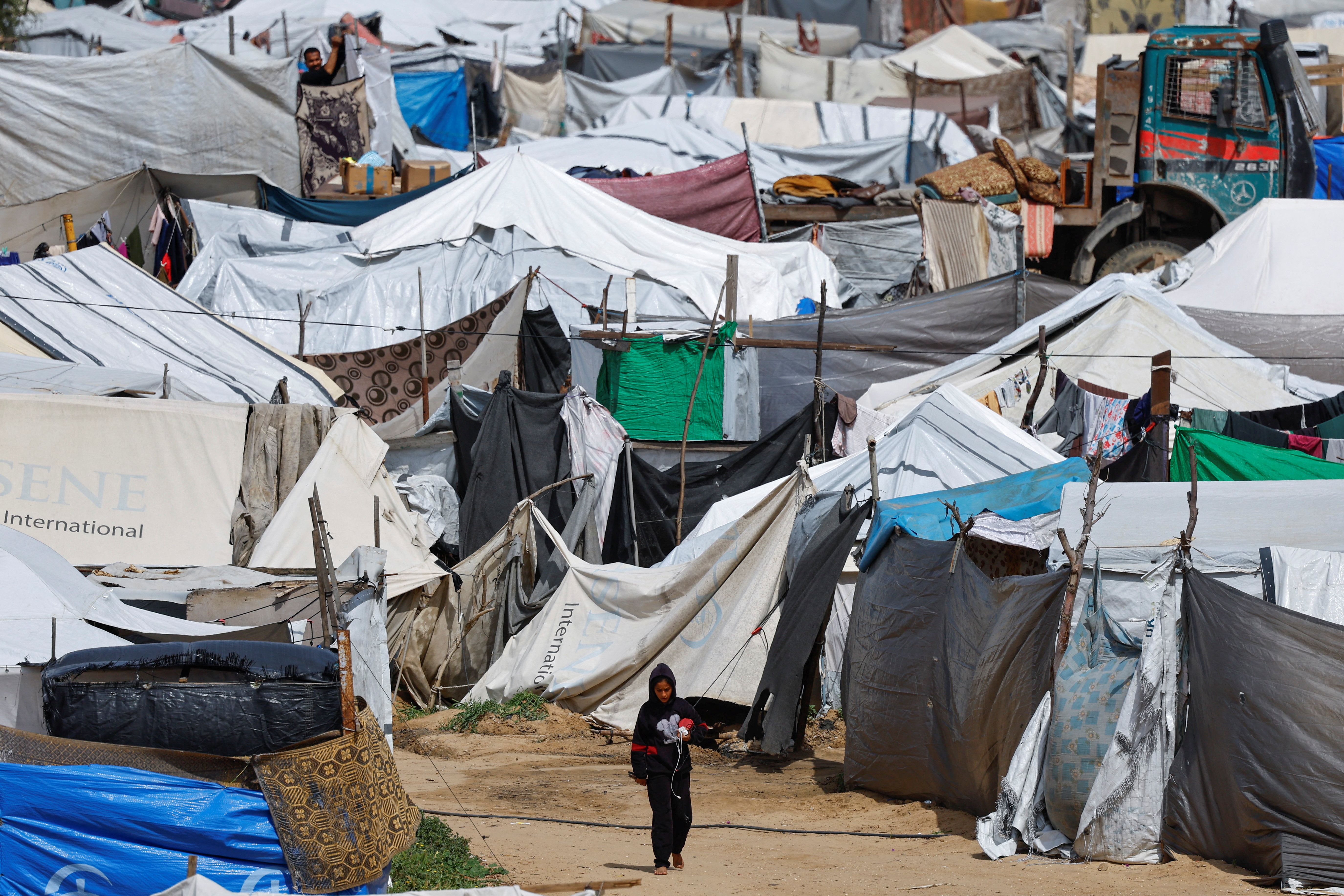
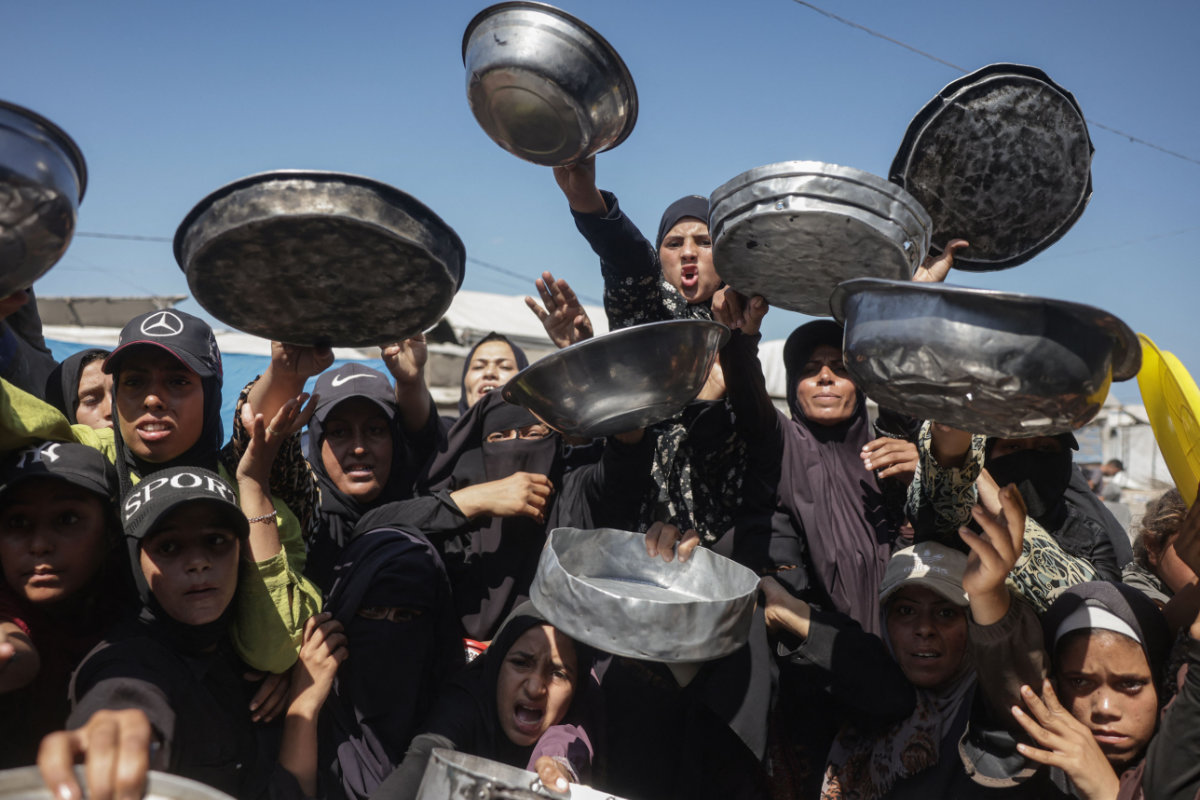
The reports link the pressures on families to the destruction and deprivation since the war began in October 2023, which has caused widespread hunger and the collapse of protection systems across the enclave. Continued restrictions on aid have pushed families into extreme poverty and food insecurity, prompting some to marry off daughters for survival or perceived protection. Overcrowded, unsafe camps heighten exposure to abuse, while destroyed courts, police stations and social services leave women and girls with almost no legal recourse.
UNFPA cautioned that part of the rise in reported cases may reflect improved access to services rather than a rise in violence alone. The agency and its partners expanded the number of safe spaces for survivors from 64 to 74 during April-June, increasing the number of women and girls reached from 34,000 to 65,000. Even so, gaps in access remained substantial and 17 safe spaces were closed because of funding shortages and security concerns, with women and girls across roughly 500 displacement sites in Gaza still lack easy access to a safe space.
A July UNFPA safety audit found inadequate lighting, privacy, and water and sanitation conditions at all 15 displacement sites assessed. Women and girls reported limiting their use of toilets, reducing water intake, avoiding movement after dark and relying on escorts to move around the sites.
Beyond the shortage of safe spaces, deep-seated social norms further shape the crisis. UNFPA describes early marriage as increasingly driven by “survival, not choice,” but cultural acceptance of the practice, combined with stigma around seeking help, has fuelled its resurgence.
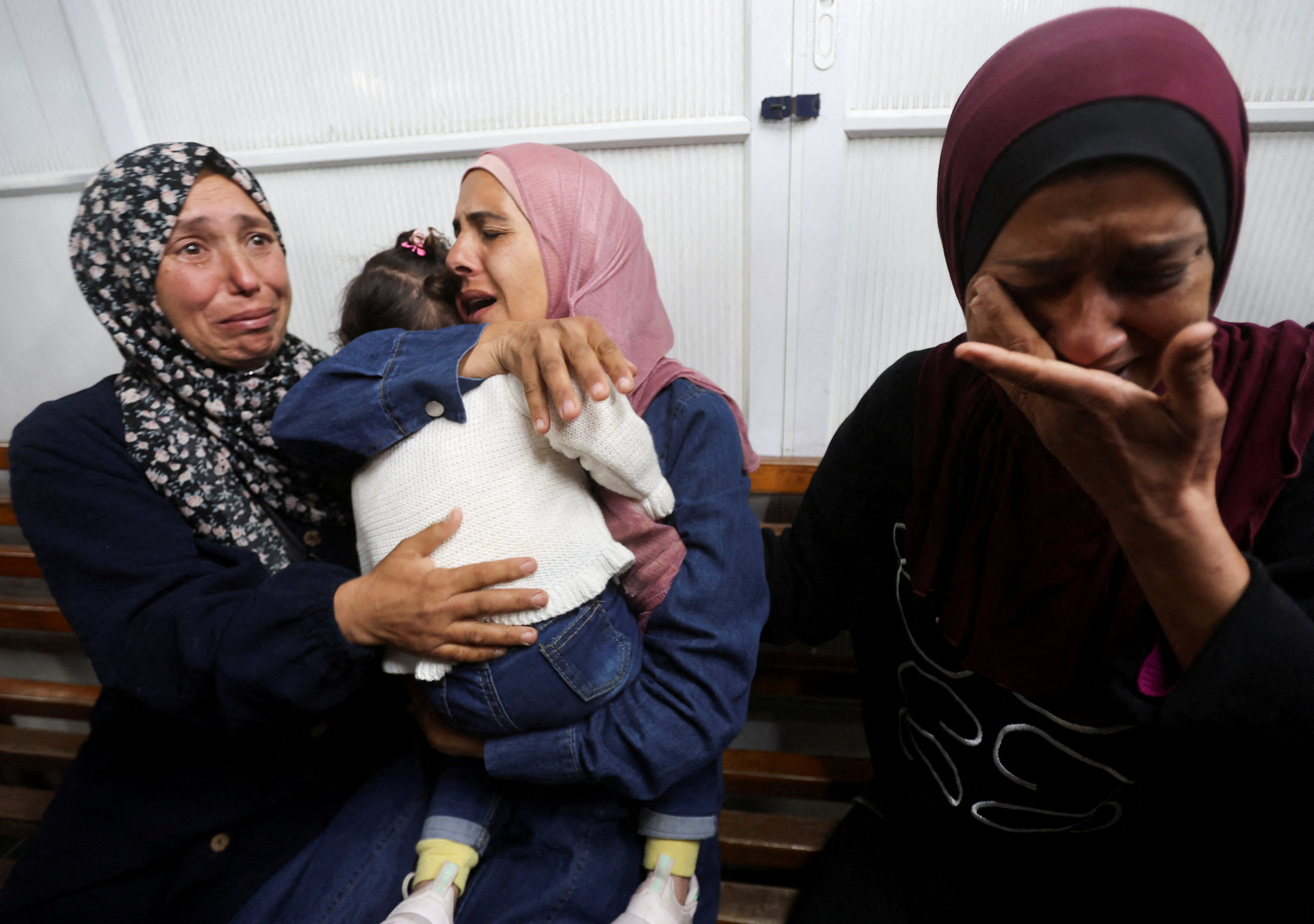
“There are several barriers, all of which are deeply intertwined: survivors of gender-based violence may fear stigma, accusations, retaliation, family repercussions, or social exclusion,” Bertocchini said. “In cases where the abuse occurs within the family, economic dependence can make it even more difficult to leave.”
The UN and most humanitarian organisations classify marriage involving a girl under 18 as early marriage. Even before the war, this was more common in Hamas-run Gaza than in the occupied West Bank, though rates had been declining. Gaza’s family law — based on 1954 Egyptian legislation — sets a minimum marriage age of 18 for men and 17 for women, but Shariah court judges can grant exceptions with parental consent if they judge it to be in a child’s best interest.
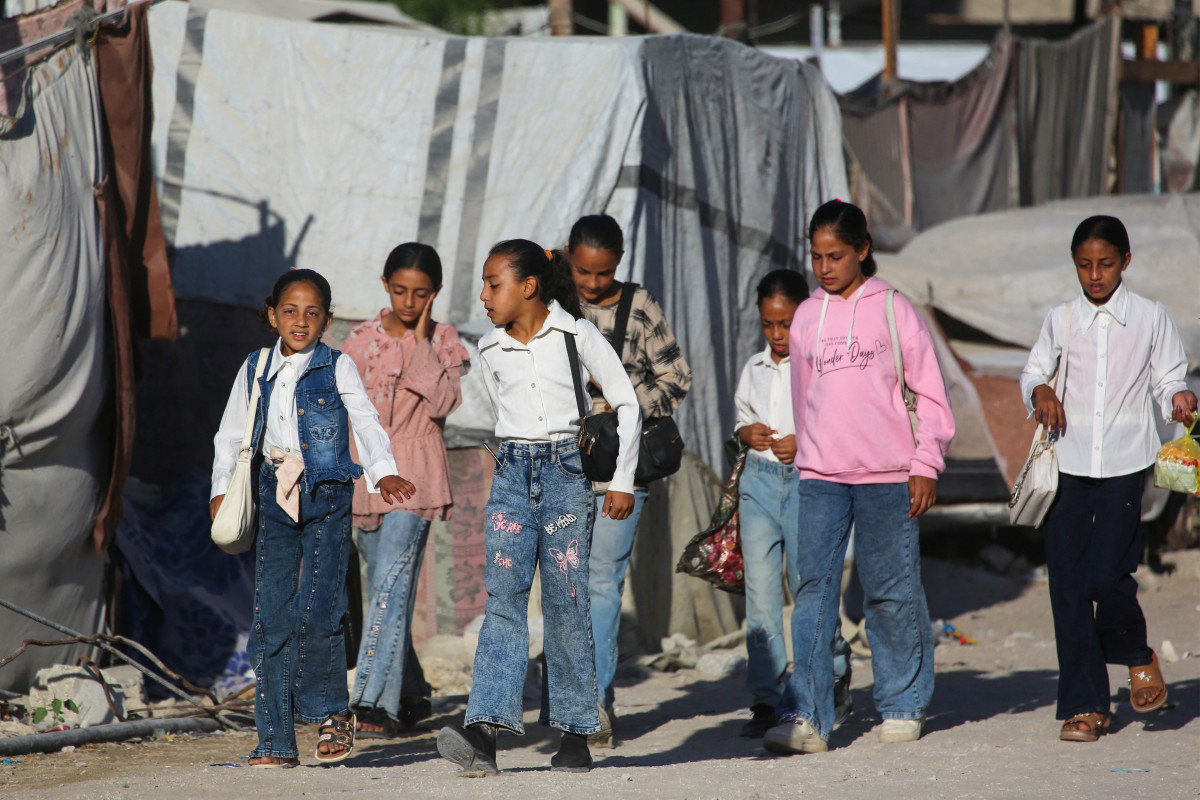
Court officials can approve marriages for girls as young as 14 years and seven months, the BBC reported. A local Shariah law expert told the broadcaster that even this limited legal safeguard collapsed once Islamic courts, which oversee family matters for Muslims, closed for much of the war.
“This is also deeply rooted in patriarchal norms that define marriage as a form of protection and girls’ sexuality as something that must be controlled,” Bertocchini said. “The deprivation caused by war can amplify pre-existing norms to the point where social pressure becomes a seemingly necessary survival strategy.”
Pressure on girls was already apparent in a survey of 1,011 young people ages 10 to 24 conducted in August and September 2024. UNFPA data shows that 71 percent of girls surveyed reported increased pressure to marry before age 18 as a way for families to cope with financial hardship — reversing a trend that had seen child marriage rates fall from 26 percent in 2009 to 11 percent in 2022.
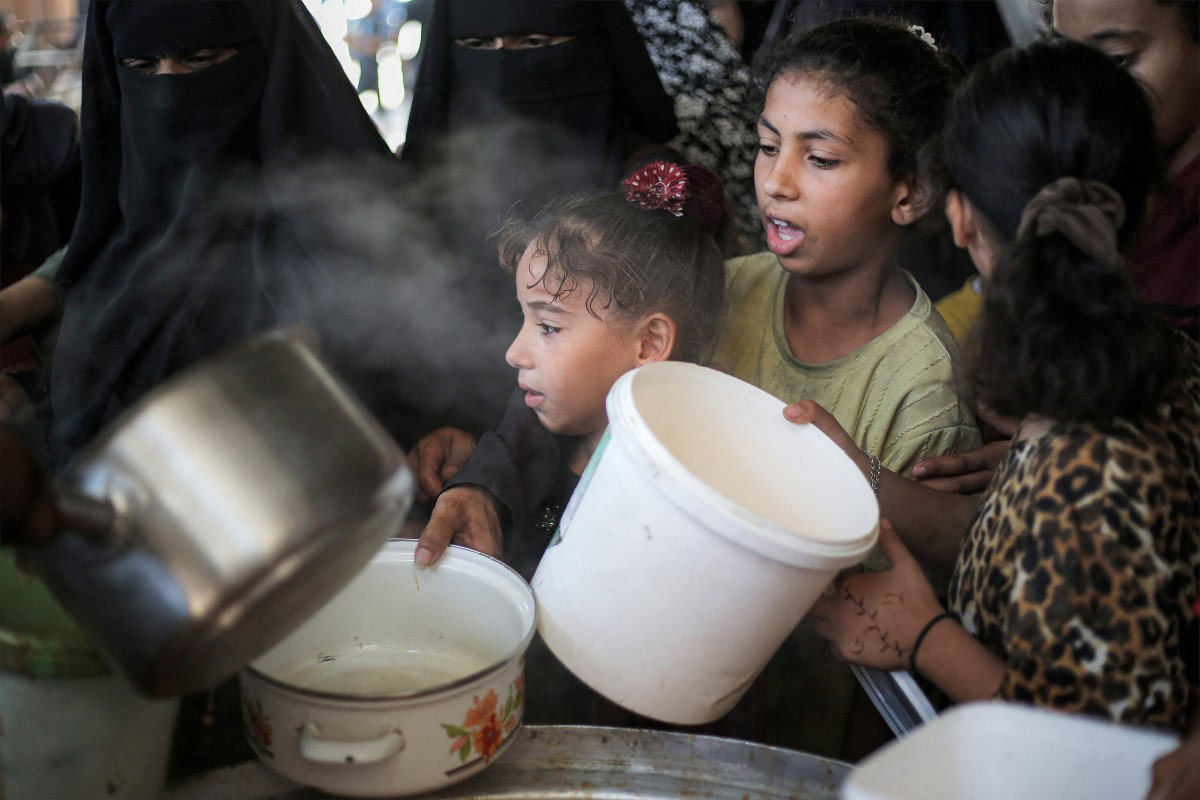
Despite the surge, many cases go unreported, meaning the true scale of the crisis is likely far greater than official figures suggest.
“Displacement and overcrowding in shelters make it extremely difficult to maintain privacy and report incidents confidentially,” Bertocchini explained, adding that years of military campaigns have steadily reduced the availability of safe spaces by destroying healthcare facilities and other support centers — leaving women unsure where they can safely seek help.
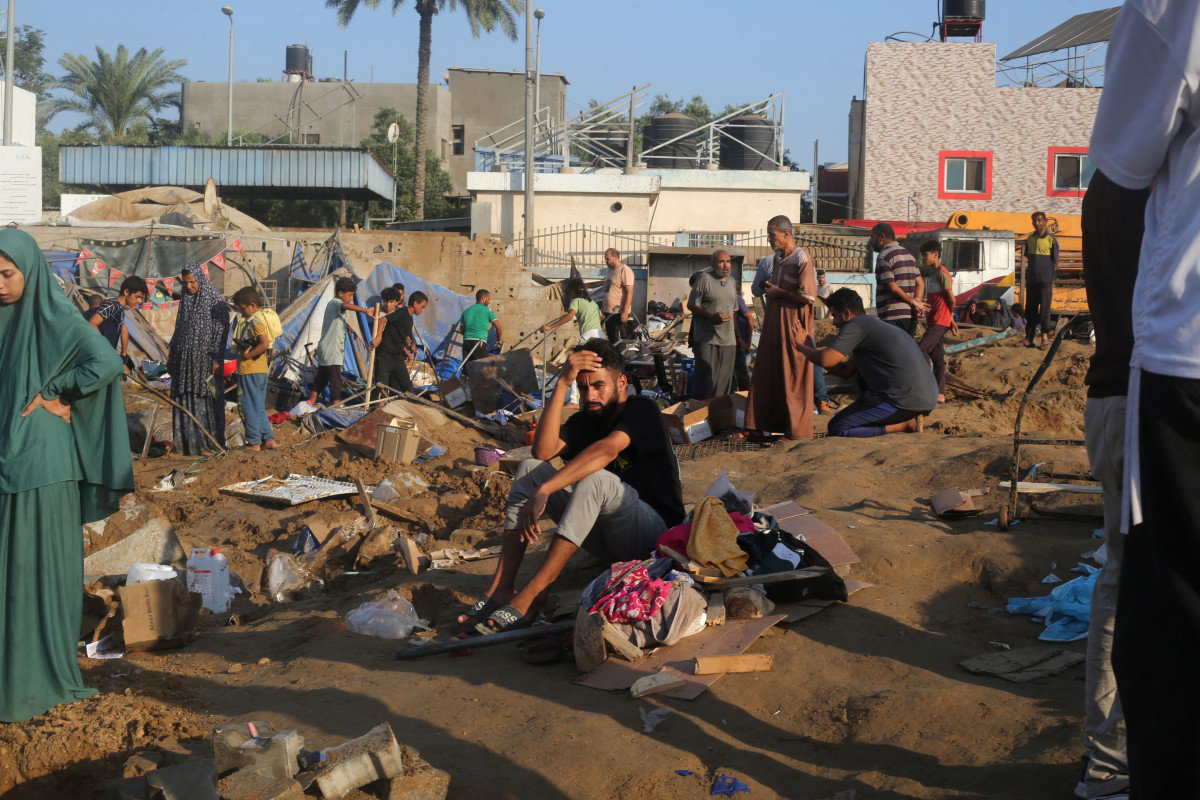
Some researchers, including the UN’s Independent International Commission of Inquiry, say Israeli military actions in Gaza have systematically targeted and destroyed reproductive health facilities, fertility clinics and maternity wards. In March 2025, the inquiry concluded that Israeli attacks on such facilities amounted to genocidal acts, including measures intended to prevent births.
Israel rejected the commission’s allegations as unfounded and accused it of pursuing a biased political agenda.
“The Israeli genocidal (campaign) is bringing forward a gendered tactic defined as ‘reprocide,’” Bertocchini said. “This strategy aims at destroying present and future reproductive capacities of Palestinians, and it primarily targets women and girls.”
While the consequences of such tactics are hard to fully classify, she said women bear the burden of several other short- and long-term effects, including elevated risks of miscarriage and low birth weight among child brides, along with rising rates of PTSD, depression and suicide.
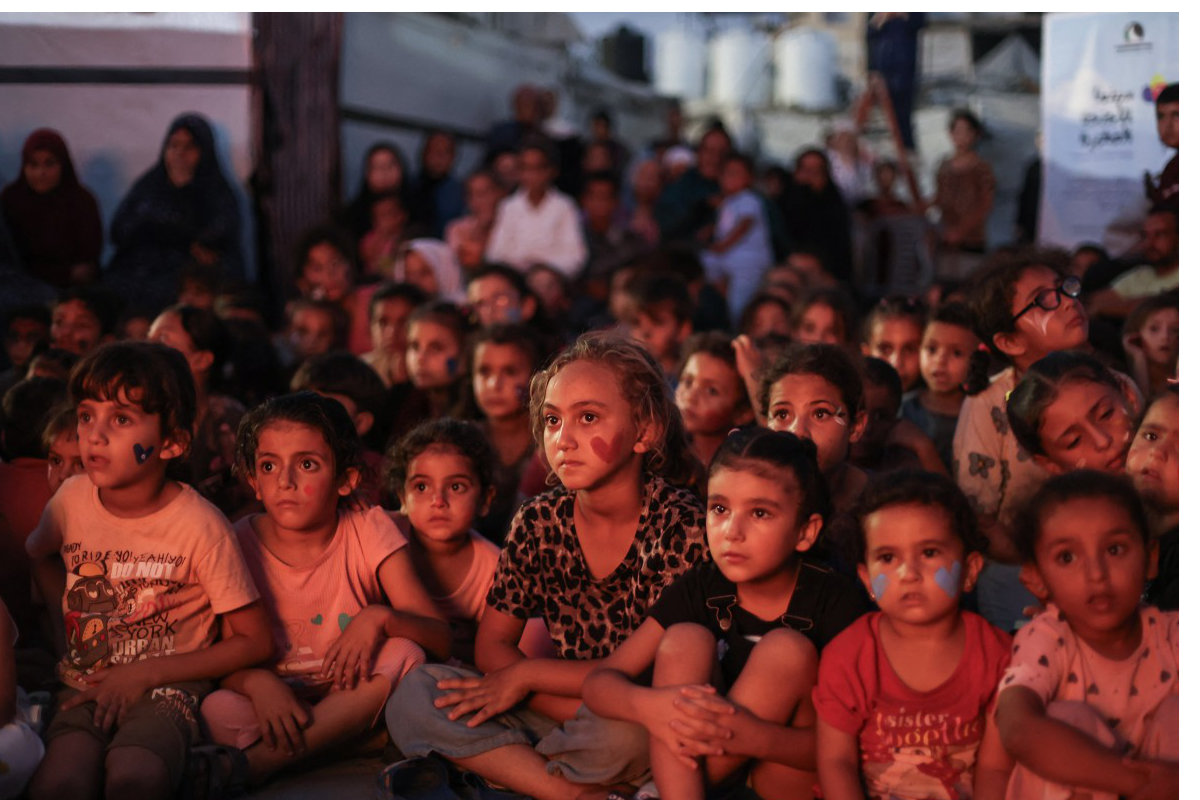
“Violence, early marriage and repeated displacement have profound long-term consequences, from adolescent pregnancy and childbirth complications to trauma, anxiety and depression,” Bertocchini said.
“The rise in adolescent pregnancy is particularly concerning because adolescent birth rates have more than doubled compared with pre-war levels, while access to emergency maternal and neonatal care remains severely limited. Humanitarian assistance and health programmes are also repeatedly constrained by insecurity, damaged infrastructure and restricted access and difficulty in receiving funds.”