- UK PM defends West Bank trade ban after Israel’s retaliation
- British diplomats involved in a US-led Gaza coordination mission and those based in Ramallah must vacate within seven days
LONDON: Israel has informed the British consulate in East Jerusalem that it must close and that diplomats assigned there will lose their accreditation within 30 days, an Israeli official and a source familiar with the matter said.
British representatives assigned to a US-led Gaza coordination mission in Israel, as well as British diplomats based in Ramallah, must leave within seven days, the source familiar with the matter said.
UK Prime Minister Andy Burnham defended Wednesday his government’s ban on trade with illegal Israeli settlements after Israel retaliated against London-led Western sanctions over settler violence.
“Where people are being bullied out of their homes, intimidated, we will always stand with the underdog and take what action we can to support them,” Burnham told parliament.
The Trump administration did not oppose a UK-led initiative to impose new sanctions on Israeli settlements in the occupied West Bank, Axios reporter Barak Ravid said, quoting US officials and Western diplomats.
The White House’s decision not to push back on the UK effort, which 11 other Western countries have joined, is a signal of its frustration with the Netanyahu government’s policy in the West Bank, Ravid added.
Burnham also defended the timing of the move after critics suggested it could embolden the Israeli far right ahead of elections next month.
He said it was necessary because the tender for 1,200 homes due to be built as part of Israel’s new E1 settlement “concludes” before the polls on October 27.
“In this difficult and dangerous world, Britain has to stand for something,” added Burnham, saying the UK was standing for “fairness against injustice.”
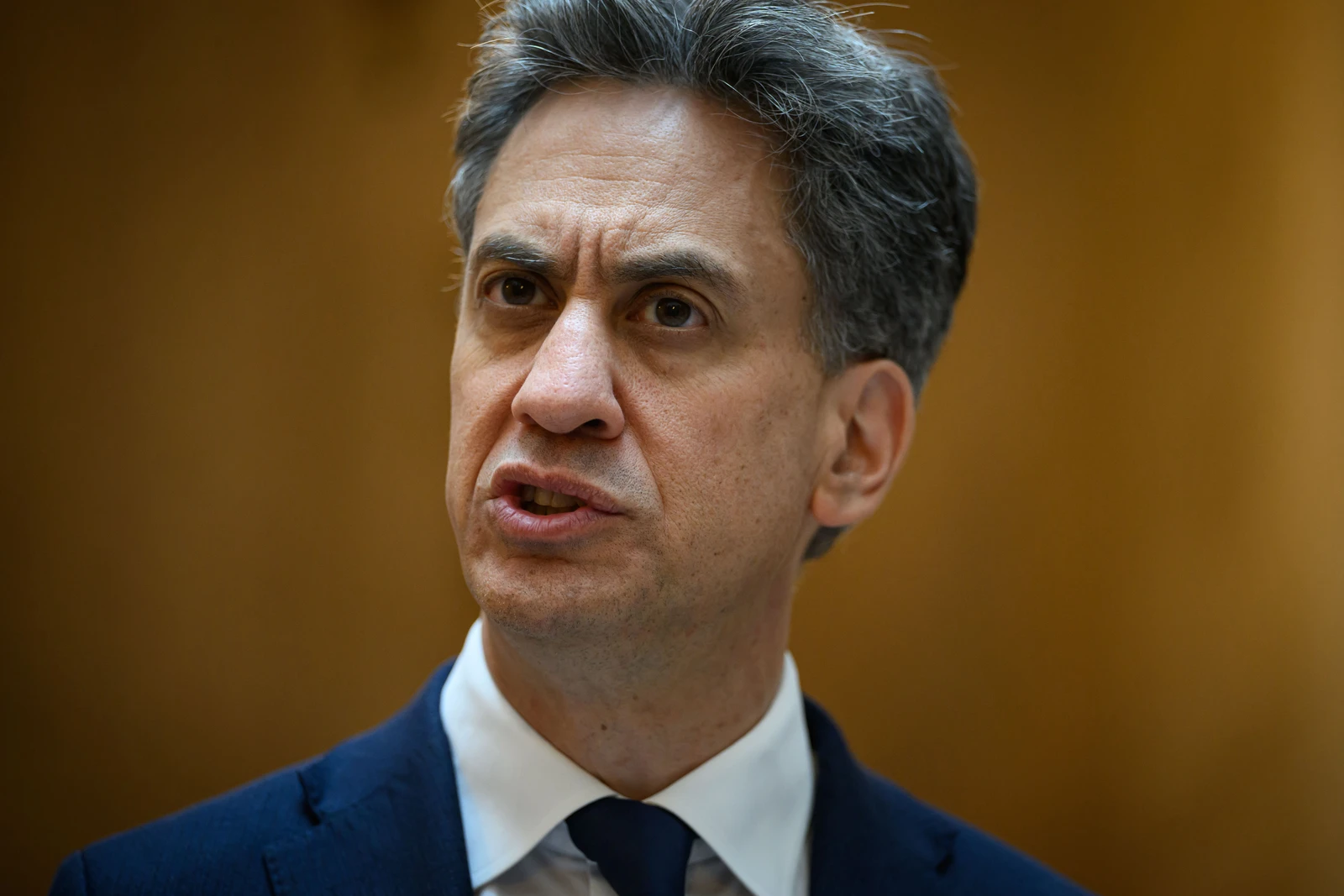
British foreign minister Ed Miliband on Wednesday condemned as “regrettable and damaging” Israel’s decision to order the closure of the UK’s consulate in Jerusalem as retaliation for London-led Western sanctions over settler violence.
“We anticipated this might happen because we saw other countries, the Dutch, for example, who had announced sanctions, who had seen these reprisals from Israel. I think they’re regrettable and damaging,” Miliband told BBC Radio.
Miliband rejected suggestions that the sanctions would impact intelligence cooperation with Israel.
“We have important intelligence and security relationships with Israel, and I’m confident they will continue,” he said, declining to go into details.
“And I was very clear yesterday that we do believe in working with our Israeli partners when it comes to the threats they face from Iran,” he added.
Miliband also dismissed the criticism of the sanctions by Britain’s chief rabbi.
Ephraim Mirvis on Tuesday called the measures “little more than political flag-bearing”.
He said it was a “truly a dark day for British Jews”, predicting that the measures “will succeed only in bolstering the very extremism they seek to target”.
Israel on Tuesday ordered the closure of Britain’s consulate in Jerusalem as retaliation after London led Western sanctions over violence by Israeli settlers against Palestinians in the occupied West Bank.
Britain earlier announced a trade ban on goods made in Israeli settlements in the occupied West Bank in coordination with France and Canada, the latest sanctions to target Israel as it faces growing diplomatic isolation.
Miliband earlier said Britain could no longer simply “call out” injustice and suffering, but told the House of Commons that the country now had to “act” to oppose the expansion of settlements.
“Today we refuse to be bystanders to further suffering and to the destruction of the two-state solution,” Miliband said, referring to Britain’s long-held support for the two-state idea, which Israel opposes.