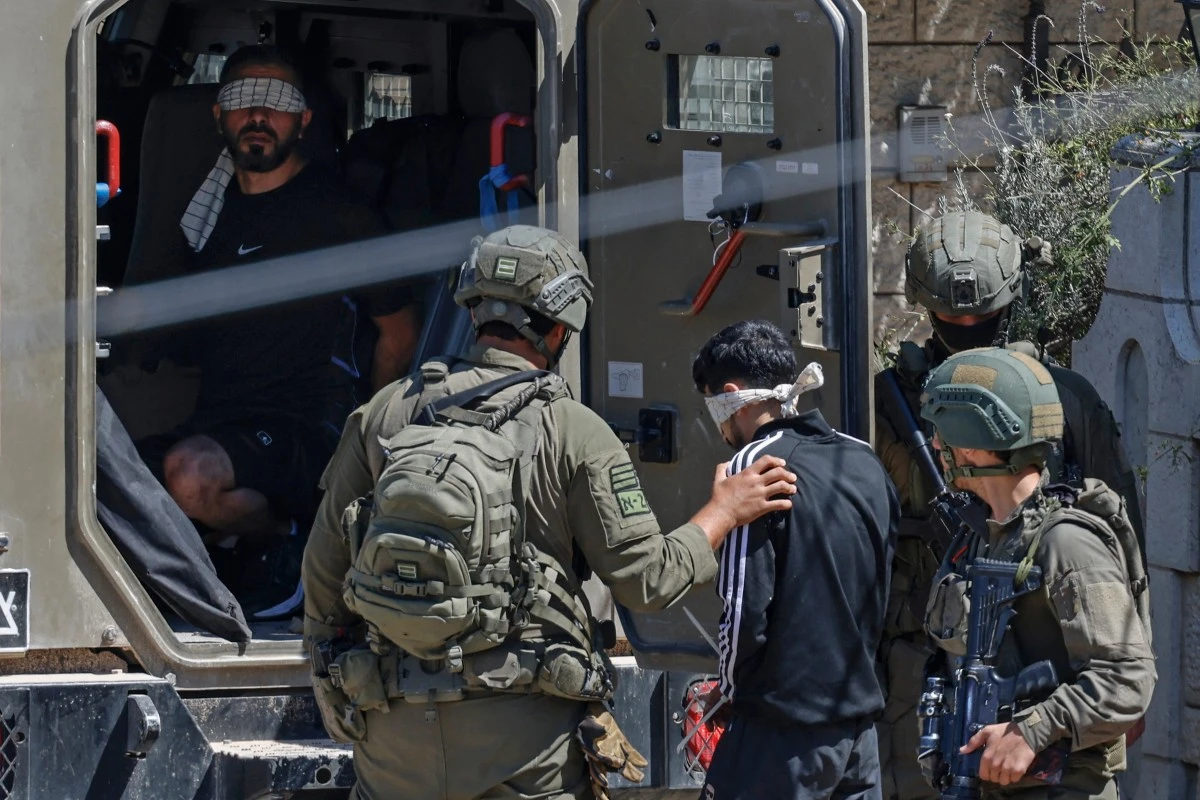
- Rights lawyer Sari Bashi warned that guards shooting Palestinian prisoners in closed cells without apparent threats may constitute excessive force
- 2 rights groups documented 22 accounts of prisoners shot with rubber or plastic rounds, including injuries requiring surgery
LONDON: Shooting detainees inside closed cells when they pose no apparent threat to guards raises “serious legal concerns” about unlawful force, an Israeli human rights lawyer said after two rights groups documented accounts of Palestinian prisoners wounded at close range.
Some of the injuries required surgery and caused irreversible damage, according to the Public Committee Against Torture in Israel and Physicians for Human Rights Israel. In one case, medical records described a prisoner’s right testicle as “completely crushed,” requiring its removal.
“Our primary concern is for the health and safety of prisoners who are in Israeli prison service custody and under Israeli and international law need to be protected, not attacked,” Sari Bashi, executive director of the committee, told Arab News.
In a statement on Thursday, the two groups said they had received at least 22 accounts from prisoners who reported being shot with rubber, plastic or sponge rounds. Most of the accounts were received in the past year; 21 came from Palestinian prisoners and one from a Jewish prisoner.
The Israel Prison Service defended its use of “less-lethal means” as measured, proportionate and based on operational need. It rejected the groups’ demand to halt their use and declined to disclose details about the weapons, ammunition or rules governing their deployment, citing operational and security concerns.
Bashi said firing such rounds in enclosed spaces without an apparent imminent threat to guards or risk of escape would constitute “excessive force” under Israeli law.
She added that under international human rights law, “the use of force is supposed to be a last resort, not a first resort as we fear it is under the prison services.
“Already somebody has been maimed from this kind of fire,” Bashi said. “So, we believe that the Israeli Prison Service needs to follow both Israeli law as well as international law, and protect the safety and well-being of prisoners under its control and in its custody.”
The accounts collected by the two rights groups illustrate the severity of the injuries such weapons can inflict. A 45-year-old prisoner was taken to Soroka Medical Center in Beersheba in June 2026 after what his medical record described as “a disturbance and an incident of rubber-bullet fire.”
He suffered multiple injuries, including damage that required surgeons to remove his right testicle, according to the record.
For Bashi, the question is not simply whether Israeli law provides consequences for abuse, but if authorities are willing to pursue them.
Her organization routinely files complaints alleging abuse of detainees by prison guards, soldiers, police officers and interrogators from Israel’s domestic security agency, the Shin Bet.
Such abuse is a “criminal offense,” she said, yet the complaints rarely lead to investigations. “In those complaints, we ask that criminal investigations be opened and they almost never are.”
Guards who use excessive force should face disciplinary action and, when their conduct amounts to a crime, prosecution, Bashi said. But she argued that accountability is undermined by support for such practices at senior levels.
“If the conduct reaches a level of criminality, they can and should be prosecuted — but that very, very rarely happens because the orders come from the most senior authorities,” she said.
“You can see that in the response that the prison authorities sent to us,” she added. “They are condoning that kind of conduct and refusing to provide information that would help the public assess the security and safety risks to prisoners.”
That lack of accountability, she said, makes changes to prison policy essential.
“The best solution would be to change Israel Prison Service policies to bring them into compliance with international human rights and humanitarian law,” Bashi said.
That would mean protecting prisoners from torture and other abuse, she added.
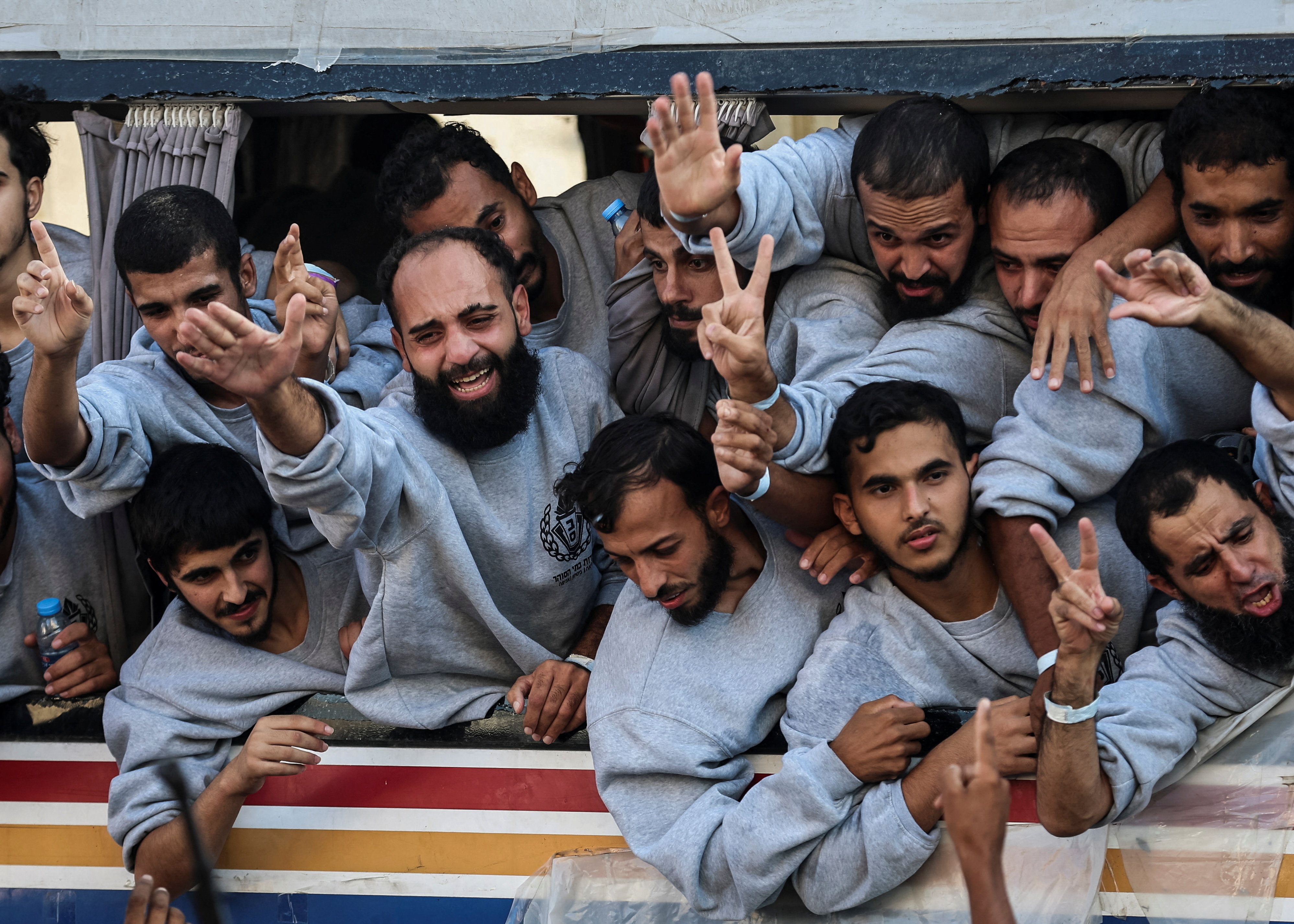
With domestic complaints yielding little progress, Bashi also urged countries allied with Israel to use diplomatic and political pressure to secure changes.
She described torture in Israeli prisons as “widespread and systematic,” and said such crimes could fall under the jurisdiction of courts abroad, though pursuing cases can be difficult.
Allied governments, she said, have an obligation to take concrete steps to press Israel to comply with international law and to ensure their own dealings with its government do not make them complicit in serious abuses.
Bashi placed the shooting allegations within a broader deterioration in prison conditions.
Abuse of Palestinian prisoners has persisted under successive Israeli governments, she said, but conditions have worsened dramatically since the current government took office in 2022, particularly after the Oct. 7, 2023, Hamas-led attacks in southern Israel.
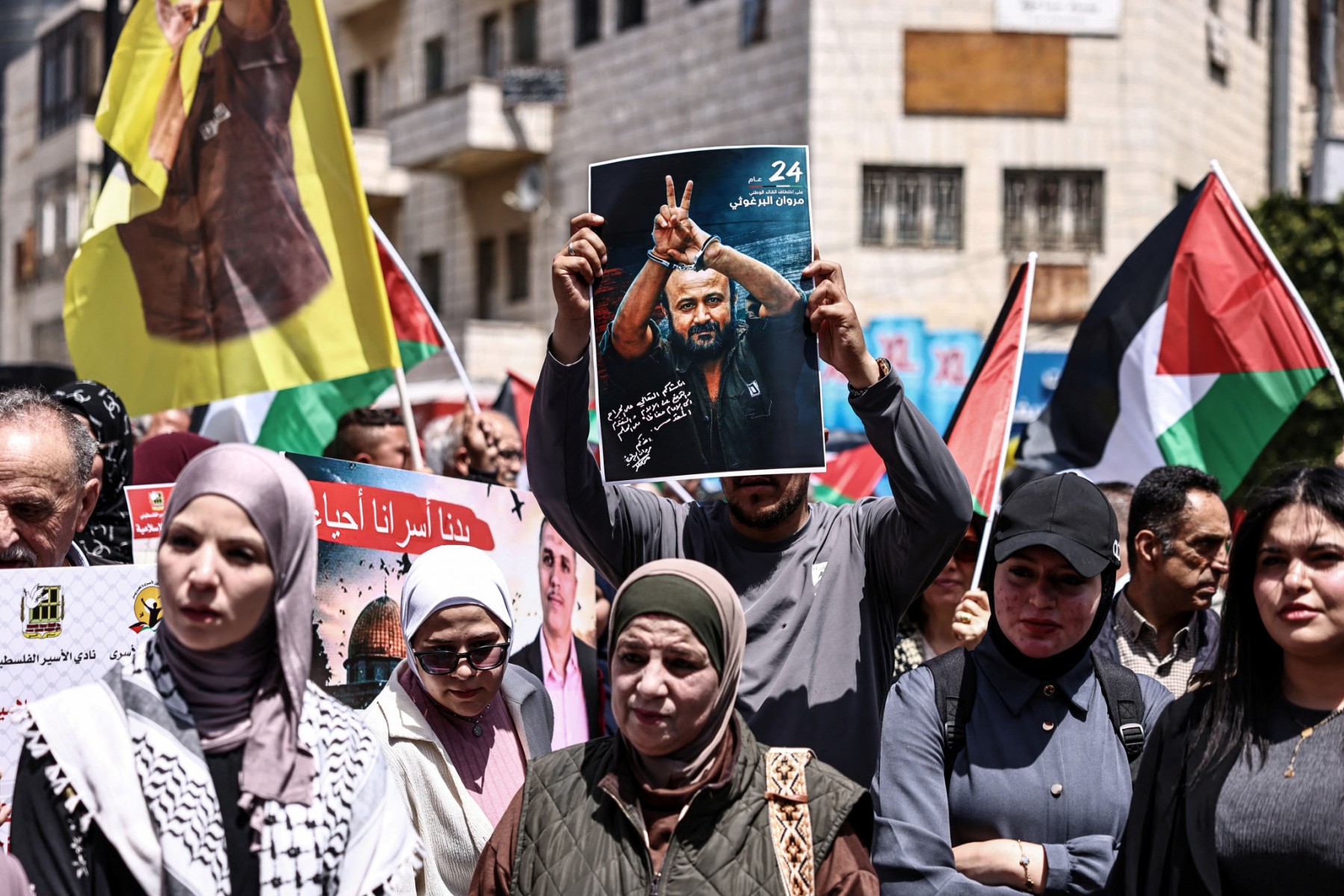
She cited “unprecedented levels of violence and torture,” saying more than 100 Palestinian security detainees had died in custody since October 2023.
Earlier this month, Palestinian prisoners’ rights organizations said deaths in custody over the preceding three years accounted for about 28 percent of all recorded Palestinian prisoner deaths since 1967.
A change of government could bring some improvement, Bashi said, particularly if a new national security minister instructed prison officials to protect detainees and obey the law. But she cautioned against treating the problem as the work of one administration.
“Realistically, I think it could get somewhat better. But this policy of abuse against Palestinian prisoners didn’t begin with the current government. And unfortunately, it’s unlikely to end with the current government.”