- Jordan FM expresses “deep regret” over Syrian civilian deaths during the operation.
- Syria, Jordan FMs stress their commitment to preserving bilateral relations and resolving disputes through dialogue.
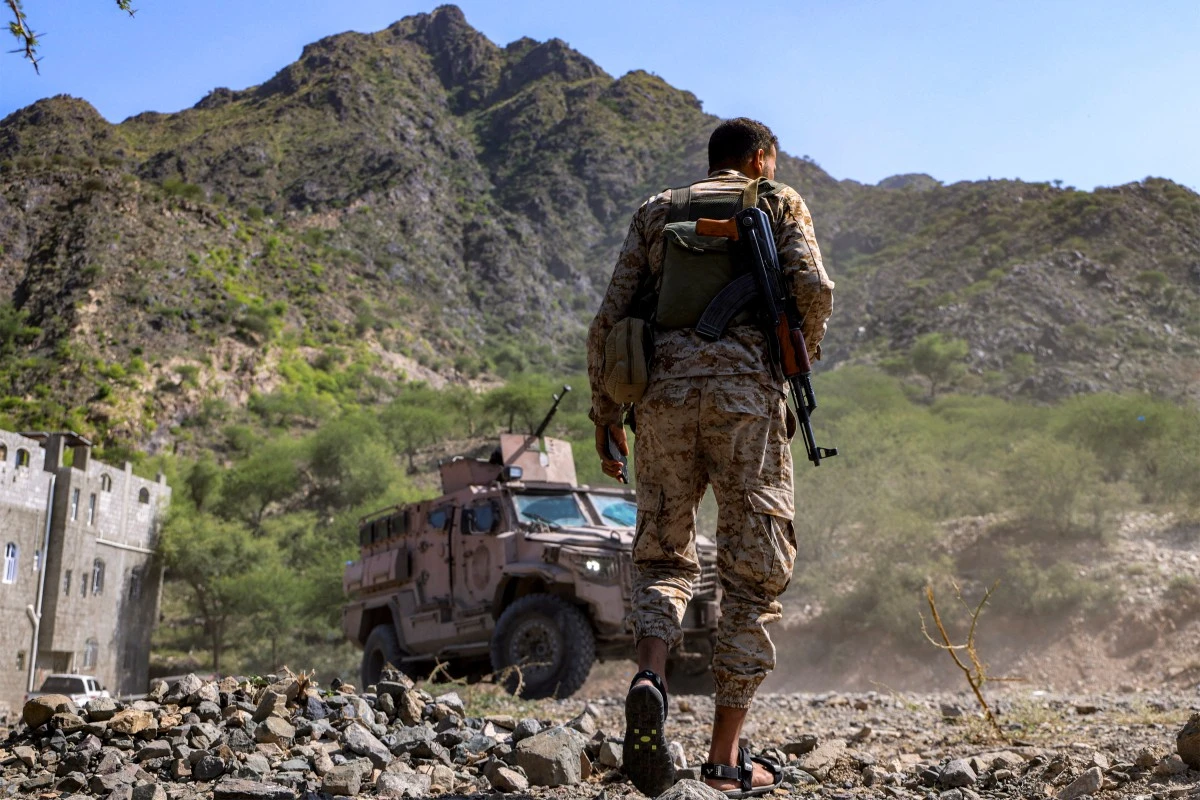
AMMAN: Jordan and Syria agreed on Wednesday to establish a joint security committee to investigate the details and repercussions of the Jordanian airstrikes against Daesh that killed seven civilians in southern Syria, the two countries foreign ministers said in a joint statement.
During a phone call, Ayman Safadi, Jordan’s foreign minister, told his Syrian counterpart Asaad Al-Shaibani that the strikes had targeted Daesh sites based on field intelligence and aimed at “neutralising” confirmed threats and imminent attacks targeting Jordan’s security.
He also expressed “deep regret” over civilian deaths during the operation, which Jordan said were carried out in response to a deadly attack on a church in Karak last week, and offered condolences to the victims’ families.
The joint committee will examine the circumstances of the military operation and strengthen intelligence and security coordination between the two countries to combat terrorism and protect civilians, the joint statement said.
Safadi stressed that his country was committed to protecting Syrian lives and respecting the country’s sovereignty and territorial integrity.
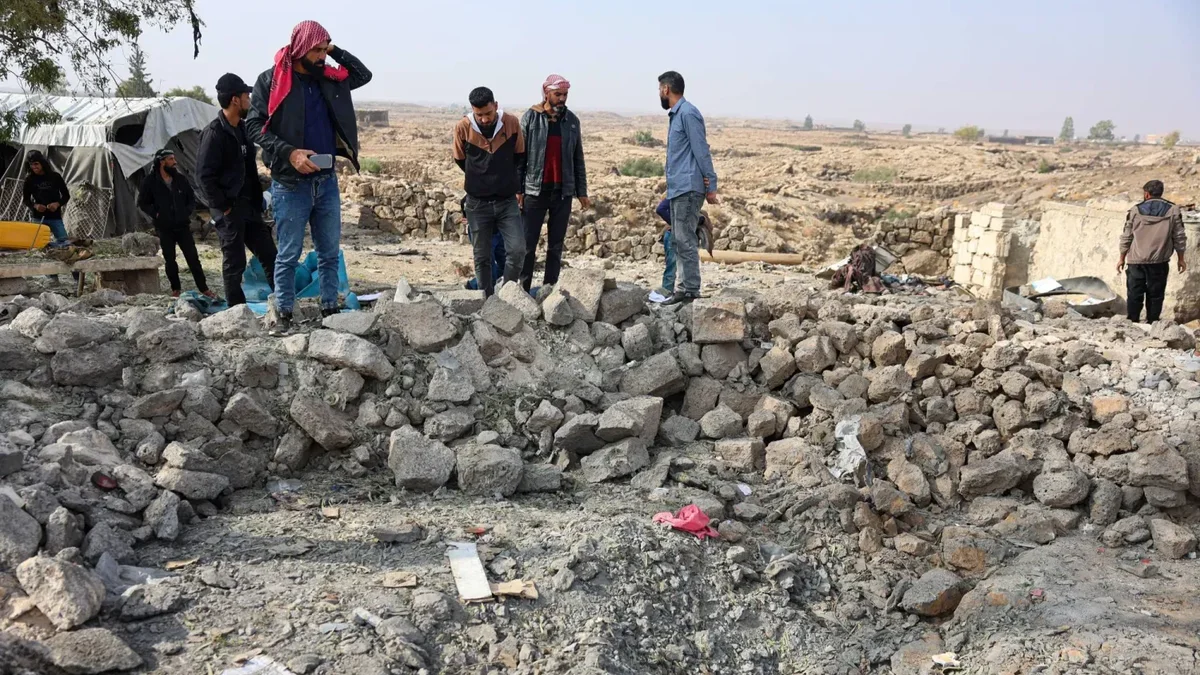
Syrian Civil Defense said seven civilians, including three children and a woman, were killed in Jordanian strikes across Daraa and Sweida provinces on Monday. Five of the victims were members of the same family.
Damascus condemned the operation as a violation of its sovereignty and said it was carried out without prior coordination.
Jordanian government spokesperson Mohammad Al-Momani said on Tuesday that preliminary assessments showed more than 20 Daesh militants were killed and a large weapons depot destroyed.
He said Jordan had taken precautions to avoid civilian casualties and was working with Syrian authorities to investigate the deaths.
During the phone call, Safadi and Al-Shaibani stressed their commitment to preserving bilateral relations and resolving disputes through dialogue.
They reiterated their countries’ “solid cooperation” against shared security threats, including terrorism and cross-border drug and weapons smuggling.
Safadi reaffirmed that Jordan considered Syria’s security and stability an integral part of its own national security, while both ministers emphasized the importance of protecting civilians and preventing further incidents along their shared border.
The strikes followed Friday’s attack on St. George’s Greek Orthodox Church in the village of Hamoud in Jordan’s southern Karak governorate, where gunmen opened fire on mourners attending a funeral, killing nine people and injuring at least 40.
Jordanian security forces arrested three suspects on Monday following a shootout in Karak. The suspects, identified as two brothers and their brother-in-law, were wounded during the operation.
No group has been confirmed as responsible for the church attack, although Jordanian authorities have linked those behind it to militants operating across the border in Syria.
The dispute over Monday’s airstrikes prompted Syrian authorities to temporarily close the Nassib border crossing with Jordan, a key route for trade and passenger travel between the two countries.