- The Lebanese army seized about 200 kg of explosives intended for smuggling from Syria into Lebanon in the Al-Qasr area of Hermel
- Prime Minister Nawaf Salam announced a firm stance against threats to national security following the discovery of half a ton of explosives, which included C-4 material
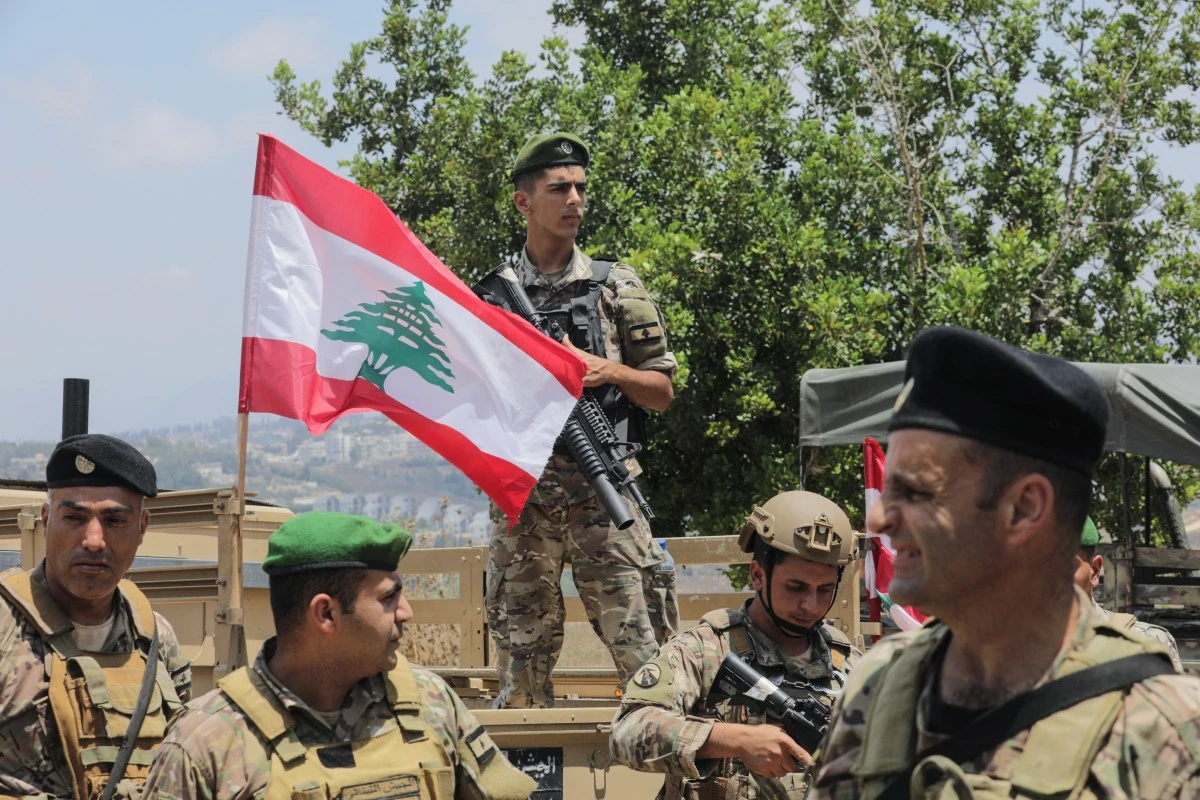
DUBAI: The Lebanese army said on Monday it had seized about 200 kg of explosives in the Al-Qasr area of Hermel, northeastern Lebanon, as smugglers fled into Syrian territory.
The army said the explosives had been intended for smuggling from the Syrian Arab Republic into Lebanon.
Salam vows firm action
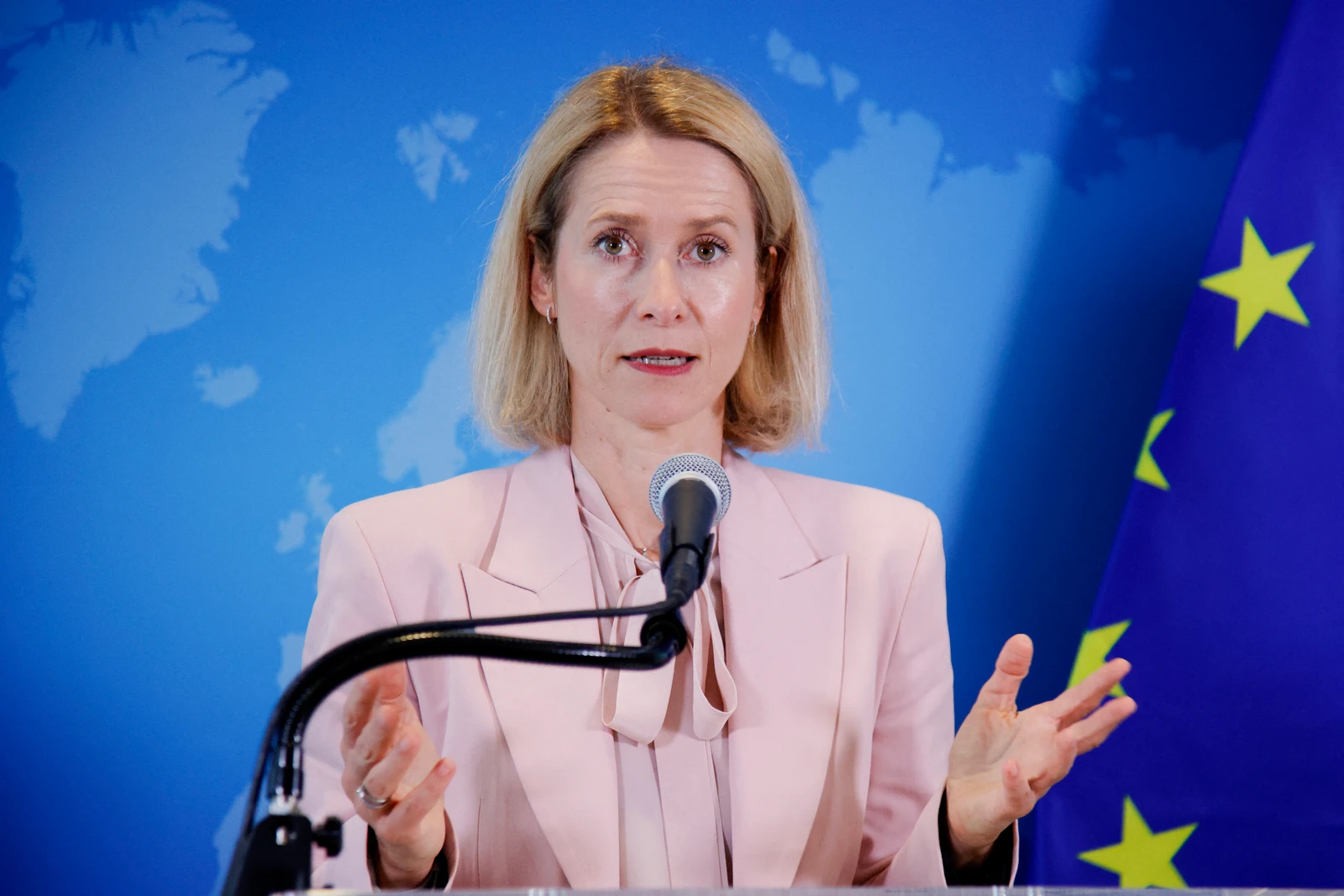
Lebanon will not tolerate anyone who threatens its security and will deal firmly with those responsible, Prime Minister Nawaf Salam said on Monday, following the seizure of half a ton of explosives in the country.
“The Lebanese people’s concern stems from the fact that the shipment of explosives contained C-4, a substance used in political assassinations,” Salam said.
Lebanese authorities arrested two suspected Hezbollah members accused of secretly transporting the explosives, a judicial source told AFP on Saturday.
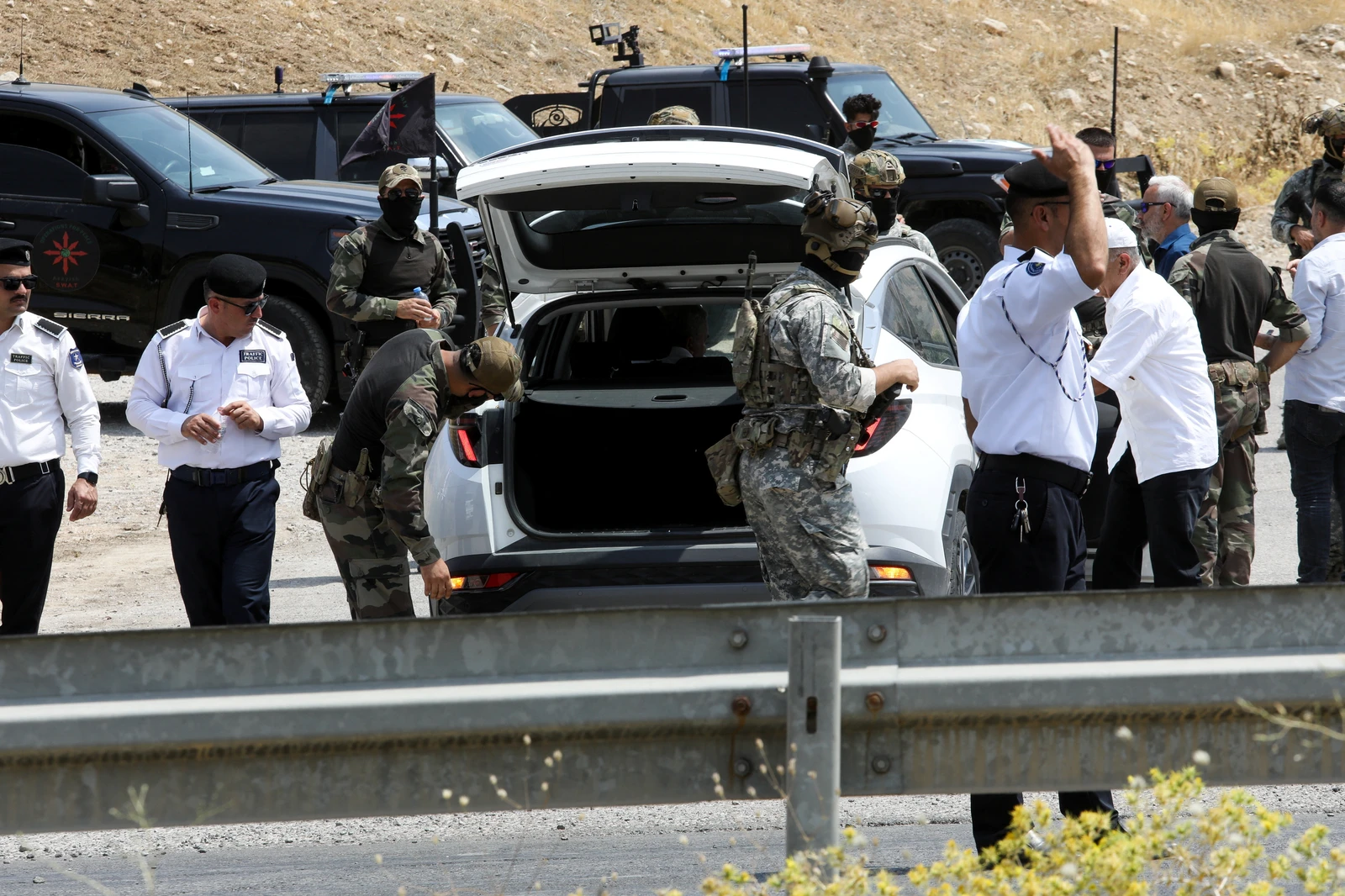
The two men were arrested on Thursday afternoon at a security checkpoint in Dahr Al-Baidar in eastern Lebanon, near a road linking the country with Syria, the source said.
They were traveling in a car toward Beirut when security forces searched the vehicle and seized “250 kg (551 pounds) of TNT-type explosives and 250 kg of C4-type, a highly explosive substance,” the source added.
One of the suspects is the son of a Hezbollah official, while the other is also a member of the Iran-backed group, according to the source, who spoke on condition of anonymity.
The intended destination of the explosives remains unknown. Lebanese authorities have not confirmed the source’s account.
Justice Minister Adel Nassar vowed on X on Saturday that the investigation into the seized explosives “will continue to the very end.”
He also said efforts to disarm illegal groups, combat terrorism and prosecute those responsible were irreversible and would be accelerated.
Lebanon approved a plan to disarm Hezbollah in 2025, following a ceasefire in November 2024 that ended a devastating war between the group and Israel.
The conflict reignited in March 2026 when Hezbollah attacked Israel in support of Iran during the regional war. Israel responded with an invasion and continues to occupy a strip of territory in southern Lebanon.
A new ceasefire was reached in June, and Israel and Lebanon agreed to a framework deal involving Hezbollah’s disarmament, a gradual Israeli withdrawal and the deployment of the Lebanese army in the region.
Syria, under former President Bashar Assad, a Hezbollah ally, served as a major route for weapons and other supplies sent to the group by Iran.
Since the toppling of Assad at the end of 2024, Syria has repeatedly announced the interception of weapons shipments destined for Lebanon.
Hezbollah, which fought alongside Assad’s forces during Syria’s civil war, denies having a presence on Syrian territory.