- Beirut port chief says Lebanon is pressing ahead with development plans without waiting for full stability
- Marwan Naffi says competition with Israeli ports is natural as Lebanon seeks bigger role in Asia-Europe trade
BEIRUT: Lebanon has formally brought the ports of Beirut and Tripoli into the India-Middle East-Europe Economic Corridor initiative through the newly established IMEC Ports Club, in a move officials hope will strengthen the country’s position as a regional logistics hub.
Marwan Naffi, chairman and director general of the Port of Beirut, told Arab News that Lebanon had already begun expanding its port infrastructure despite continuing concerns over stability.
“We have started our expansion plan without waiting for stability, despite its importance,” Naffi said.
IMEC was announced during the G20 summit in New Delhi in 2023 through a memorandum of understanding signed by eight parties: India, Saudi Arabia, the UAE, the US, France, Germany, Italy and the EU.
Lebanon was not among the original signatories or part of the initial corridor, making efforts to integrate Beirut and Tripoli into the emerging network particularly significant.
The project envisages combining maritime and rail transport to facilitate the movement of goods between India and Europe through the Gulf and the Middle East, alongside infrastructure related to energy, communications and supply chains.
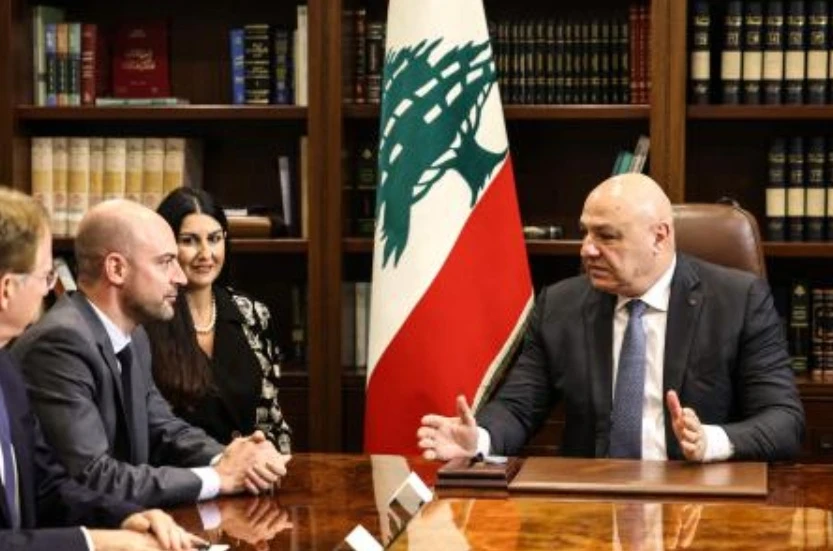
Lebanese President Joseph Aoun described the latest development as an “achievement” during a visit to the northern city of Tripoli last weekend.
The initiative aims to capitalize on Lebanon’s geographical position by linking Beirut and Tripoli to the wider network of ports and logistics services associated with IMEC.
Aoun said it represented an “opportunity” for Tripoli port to become “one of the most important ports and a vital economic hub for the region and Lebanon as a whole.”
Earlier this month, Naffi, representing the Port of Beirut, and Iskandar Bandali, chairman of the Port of Tripoli, signed the joint declaration establishing the IMEC Ports Club in New Delhi.
The declaration established the club as an open platform for dialogue and cooperation between participating ports, aimed at strengthening links between their economic and logistics ecosystems, exchanging expertise and developing practical initiatives and pilot projects that could later be expanded.
The initiative does not create a new institutional structure. Instead, cooperation will focus on connectivity and supply chains, trade facilitation and procedures, energy and decarbonization, as well as digitalization and data interoperability.
The agreement followed a series of Lebanese diplomatic and commercial efforts to explore how Beirut and Tripoli could be incorporated into the corridor.
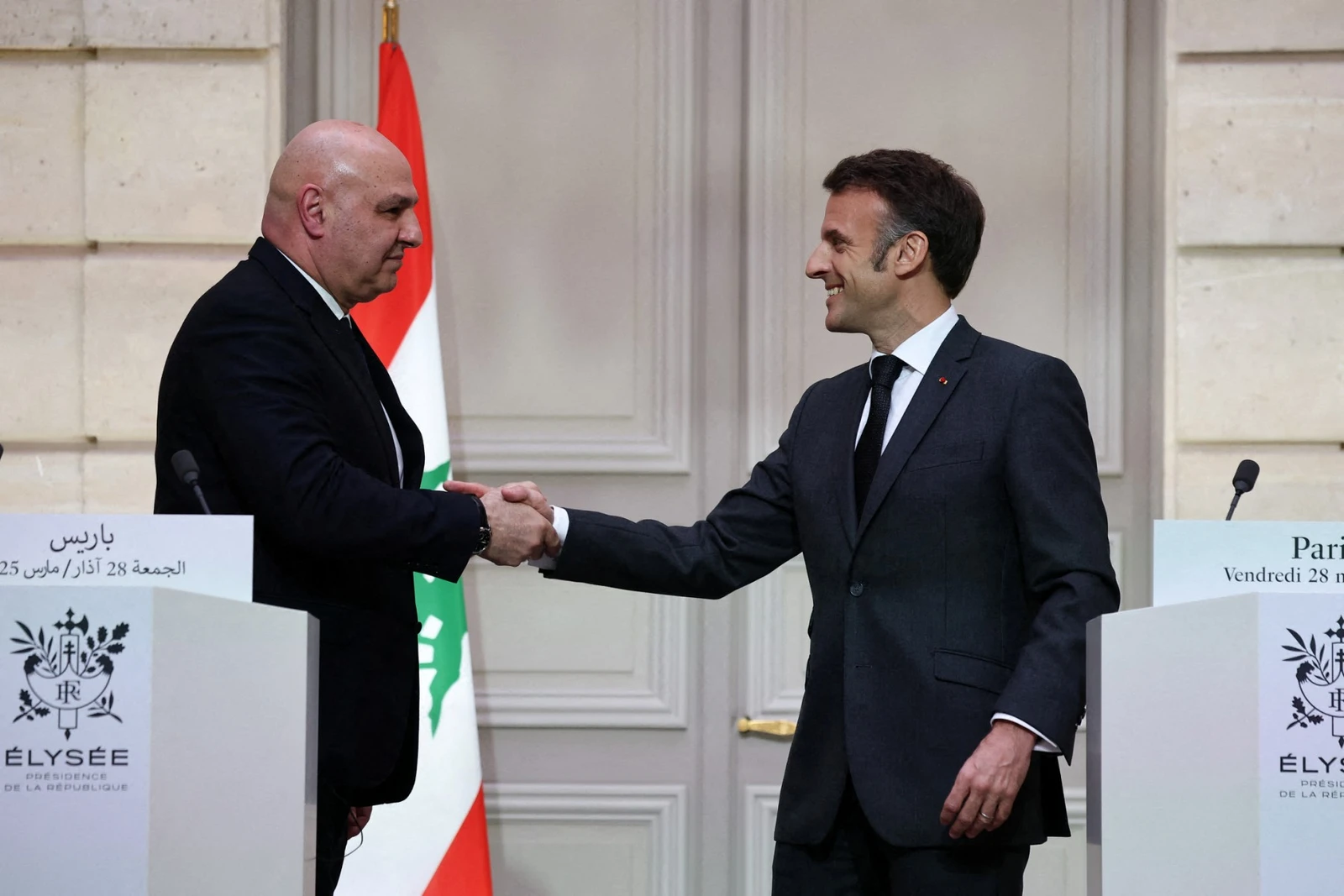
French President Emmanuel Macron previously dispatched his special envoy, Gerard Mestrallet, to Beirut, where he discussed the possible integration of the two Lebanese ports with Aoun and Prime Minister Nawaf Salam.
Those efforts coincided with the renewal in July of a memorandum of understanding between the ports of Beirut and Marseille-Fos. The original agreement was signed in 2022 for three years and its renewal helped pave the way for Lebanon’s participation in the Ports Club declaration in New Delhi.
Lebanon hopes its geographical position and the modernization of its two main ports will allow it to play a larger role in transit and re-export trade between Asia and Europe.
Those ambitions are being pursued alongside plans to expand Beirut port, develop Tripoli port and eventually reactivate Lebanon’s railway network.
Naffi said participation in the initiative could increase trade passing through Lebanese ports and boost state revenues.
“The club includes, in addition to the original countries, Cyprus, Oman and Greece,” he said. “As a founding member of the club, we have become one of the ports seeking to create a new dynamic in the region.”
Naffi said transforming Lebanon into a logistics hub could also generate wider economic activity in transport, storage and distribution.
He expects a significant increase in container traffic through Lebanese ports as infrastructure is expanded.
“We have started an expansion plan extending until 2028, with the goal of being able to handle 3 million containers,” he said. “Tripoli port began work on its own plan a month ago.”
Lebanon is seeking to position its ports as complementary to, rather than simply in competition with, other eastern Mediterranean facilities as demand grows for diversified trade routes.
Naffi said Beirut had advantages over other Mediterranean ports because of both its capacity and the depth of its harbor.
Asked about potential competition with Israeli ports, he said: “We are doing what we have to do. Competition is natural, but success comes down to who can offer the best specifications and services.”
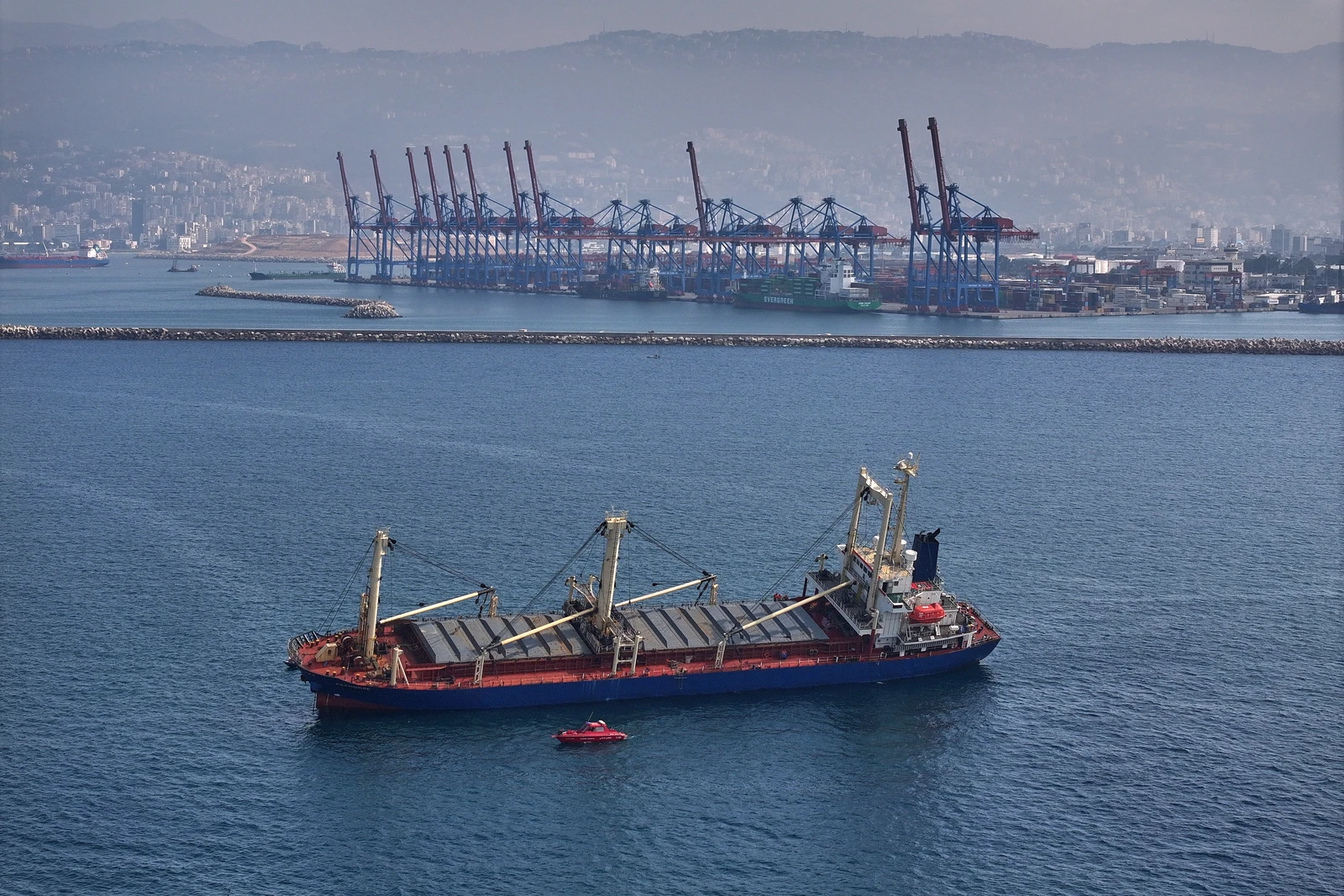
Beirut is Lebanon’s largest port and one of the principal maritime gateways in the eastern Mediterranean.
It has links with around 300 ports worldwide and handles an estimated 3,100 vessel calls annually.
The planned expansion of Beirut’s container terminal is expected to cost about $100 million and will be implemented in stages.
The project aims to raise annual capacity to about 3 million containers by 2028, compared with a current maximum capacity of approximately 1.2 million to 1.3 million.
The expansion represents the third and largest phase in the history of the container terminal.
The terminal was established in 2000 with a capacity of between 500,000 and 700,000 containers before being expanded in 2013 to reach its current capacity.
French shipping group CMA CGM announced a $100 million expansion project for the terminal in September, including upgrades to equipment and operational areas, with implementation expected to take about 18 months.
Tripoli, meanwhile, is Lebanon’s second-largest port.
The port covers an area of roughly 3 sq. km, with a maritime basin of about 320,000 sq. meters. An additional 420,000 sq. meters of land adjacent to the existing port has been reserved for the container terminal and a future free-trade zone.
For Lebanese officials, integration into the IMEC port network represents an attempt to convert the country’s longstanding geographical advantage into a larger role in emerging trade routes linking the Gulf, Asia and Europe — even as Lebanon continues to contend with political, security and economic uncertainty.