- They are among more than 120,000 people displaced by recent escalation in hostilities along Yemen’s western coast and front lines in Taiz
- UN Population Fund says ‘this is a race against time,’ with 500+ women needing emergency care for possible childbirth complications, and 300 due to deliver in next 2 weeks
NEW YORK CITY: More than 2,700 pregnant women in Yemen face the risk of having to give birth without skilled medical care, the UN Population Fund warned on Monday.
They are among more than 120,000 people recently displaced by escalating fighting along Yemen’s western coast and the front lines in Taiz.
The fund said the violence had cut off more than 30,000 women of childbearing age from access to reproductive healthcare and protection services. At least 500 of the displaced women required emergency obstetric care for potential complications, and about 300 were expected to deliver within the next two weeks, the agency added.
“For women and girls in Yemen, this is a race against time,” said Francesco Galtieri, the fund’s representative in Yemen.
“When violence closes a health facility, or an impassable road prevents a woman from reaching skilled care, a preventable complication can become a death sentence.”
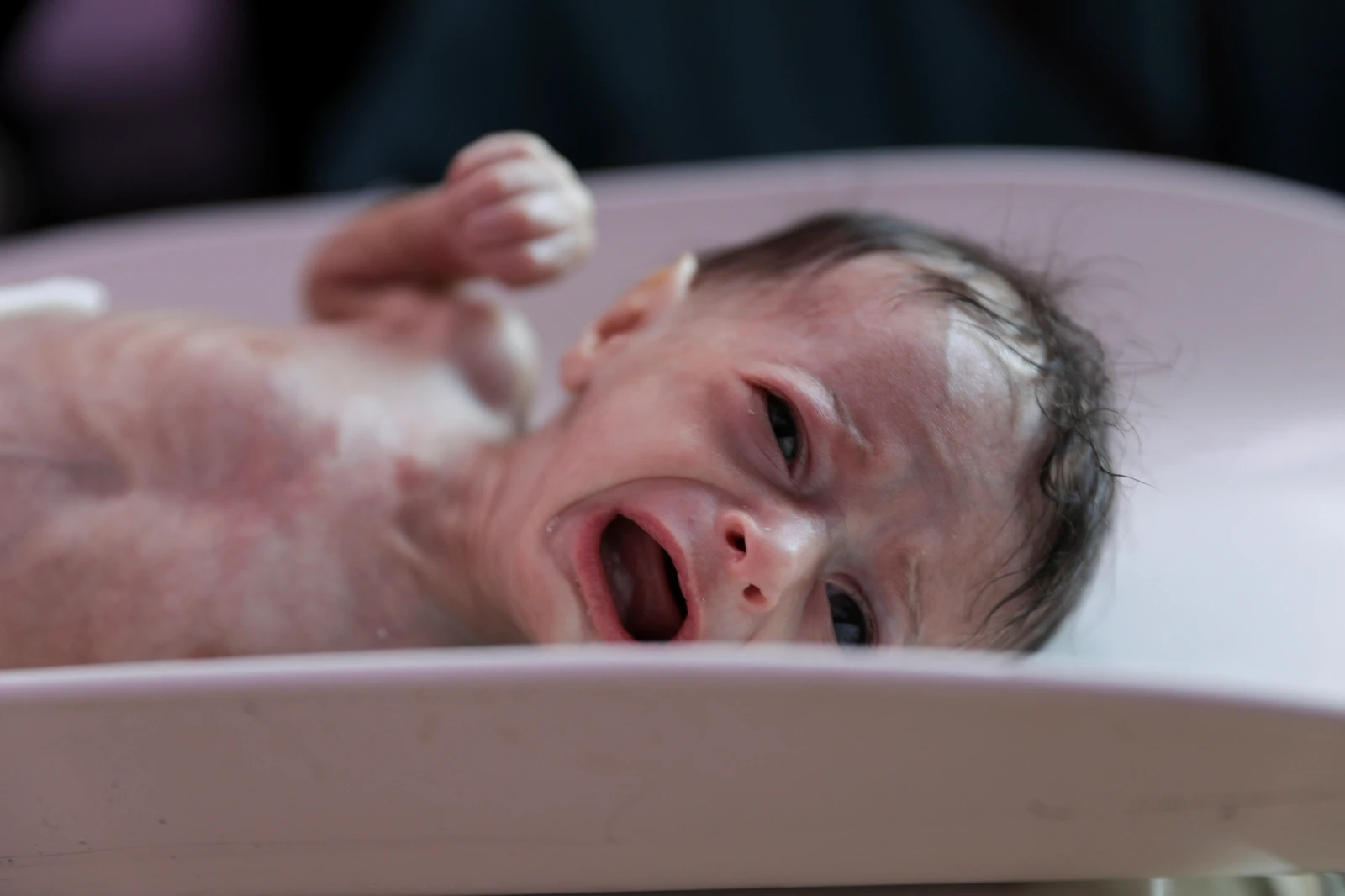
Reproductive health facilities and safe spaces for women and girls have closed or are operating at reduced capacity as the fighting continues, the fund said. Displaced women were giving birth in the open without skilled attendants, and faced delays in care caused by damaged roads, unsafe shelter and depleted health services. In the Maqbanah and Jabal Habashi districts of Takz governorate, emergency obstetric and neonatal facilities have closed entirely, the agency said.
Safe childbirth facilities and protection from violence “are not optional in a crisis,” Galtieri said, warning that the scale of need was “growing faster than the resources available.”
Yemen already has one of the highest maternal mortality rates in the Arab region; three women die each day from preventable pregnancy complications, according to the Population Fund.
The agency added that 6.2 million Yemeni women and girls lacked access to basic protection services even before the latest escalation.
The fund said it was leading the UN’s interagency front-line response through the Rapid Response Mechanism, working alongside UNICEF, the World Food Programme and the International Organization for Migration. The mechanism delivered assistance to more than 60,000 displaced people within 72 hours of the latest escalation, the agency said.
However, the fund said urgently required $22.7 million in funding to scale up its response so that it can deliver emergency relief kits to 80,000 households, and provide reproductive health and protection services for 140,000 recently displaced women and girls. The agency’s broader $71 million appeal for its 2026 Yemen response is only 20 percent funded, it added.