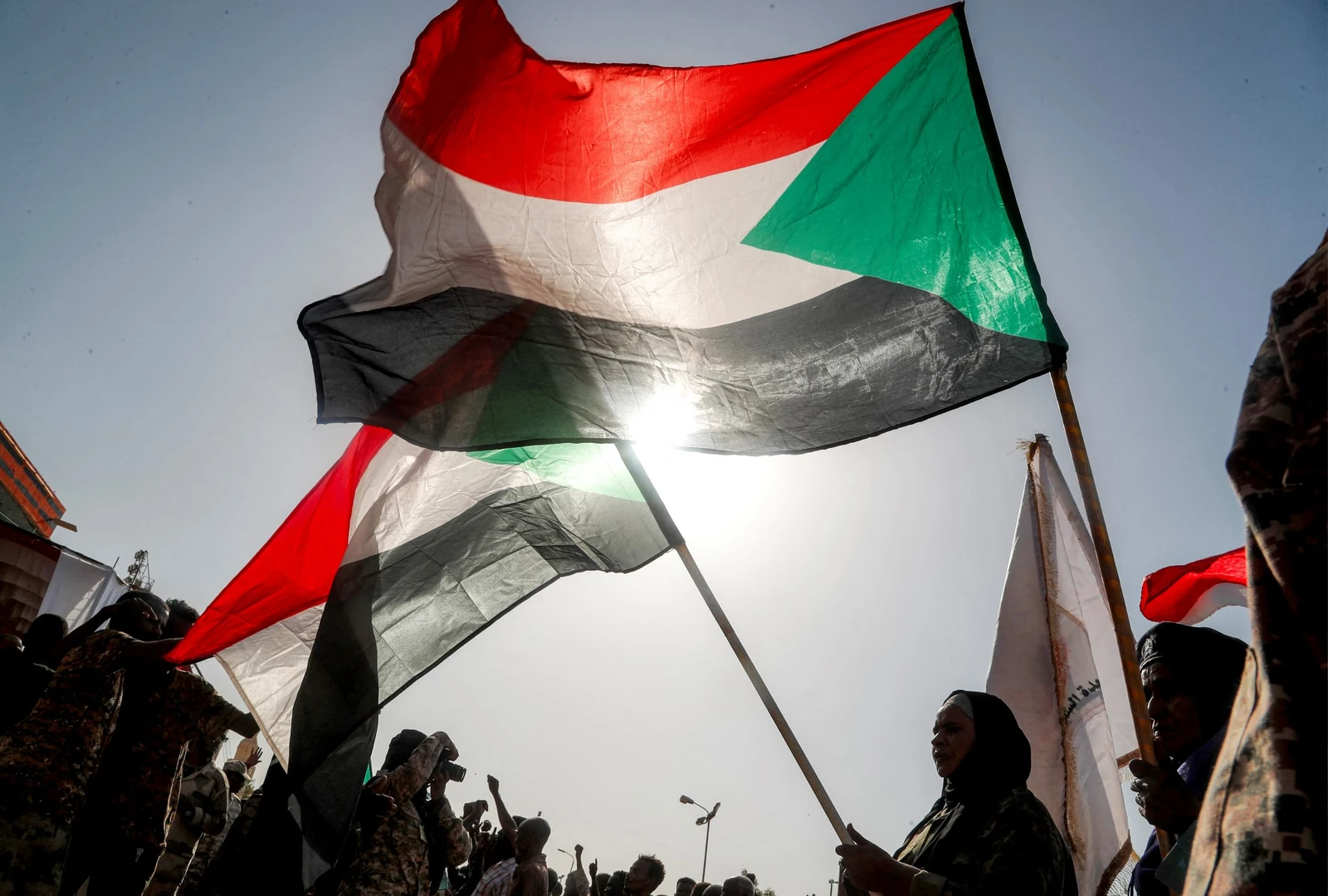
DUBAI: A year since Sudan’s El Fasher fell to the Rapid Support Forces, the struggles continue to mount. Civilians are still suffering detention, torture and limited access to humanitarian aid, according to Amnesty International.
The country’s civil war, which started in 2023, has killed tens of thousands of people, according to Amnesty International, and the UN says the war has left around 14 million displaced. The RSF is a breakaway paramilitary group, under the command of Muhammad Dagalo, or Hemedti as he is known, fighting a civil war against the Sudanese Armed Forces for control of Sudan.
Khartoum, the nation’s capital, was initially the center of the conflict, but it soon spread to other parts of the country, including Darfur in western Sudan. El Fasher, the capital of North Darfur, was the last major stronghold for the SAF and the Allied Joint Forces. Due to its substantial gold reserves and its location as a hub linking Darfur to Libya and Chad, the region is also strategically significant.
El Fasher fell in October 2025 to the RSF after a violent 18-month siege that left civilians facing starvation and cut off supplies. The city had served as a major agricultural market to the country, and its capture has consolidated the paramilitary group’s control over much of Darfur.
The humanitarian crisis continues to worsen. On Tuesday, the US, the UK, France, Canada and several other signatories released a joint statement, warning of an “alarming deterioration” in food security in Sudan and calling for “urgent action” to prevent famine.
The fall of the city was accompanied by atrocities against civilians. In July, an Amnesty International report stated that the RSF committed crimes against humanity, including murder, enslavement, sexual violence and persecution during its campaign to seize the city. The organization also documented ethnic cleansing targeting communities including the Zaghawa people.
Before the civil war, the city’s population was over 1 million. Now fewer than 70,000 people are present, and the risks of arbitrary detention remain high. Civilians continue to face arbitrary detention, torture, unlawful killings and restricted access to humanitarian assistance, according to an October report released by Amnesty International. Residents interviewed said that schools are being used as detention centers and for surveillance by the RSF.
“The RSF’s claims that El Fasher is safe for civilians to return to after the horrific massacres that took place one year ago could not be further from the truth,” said Agnes Callamard, Amnesty International’s secretary-general.
The organization called for a nationwide ceasefire and accountability for abuses. On Monday, the UK announced sanctions against commanders from the RSF and the SAF over alleged atrocities including sexual violence. But a year on, the civilians who survived the siege live a life fraught with risk.