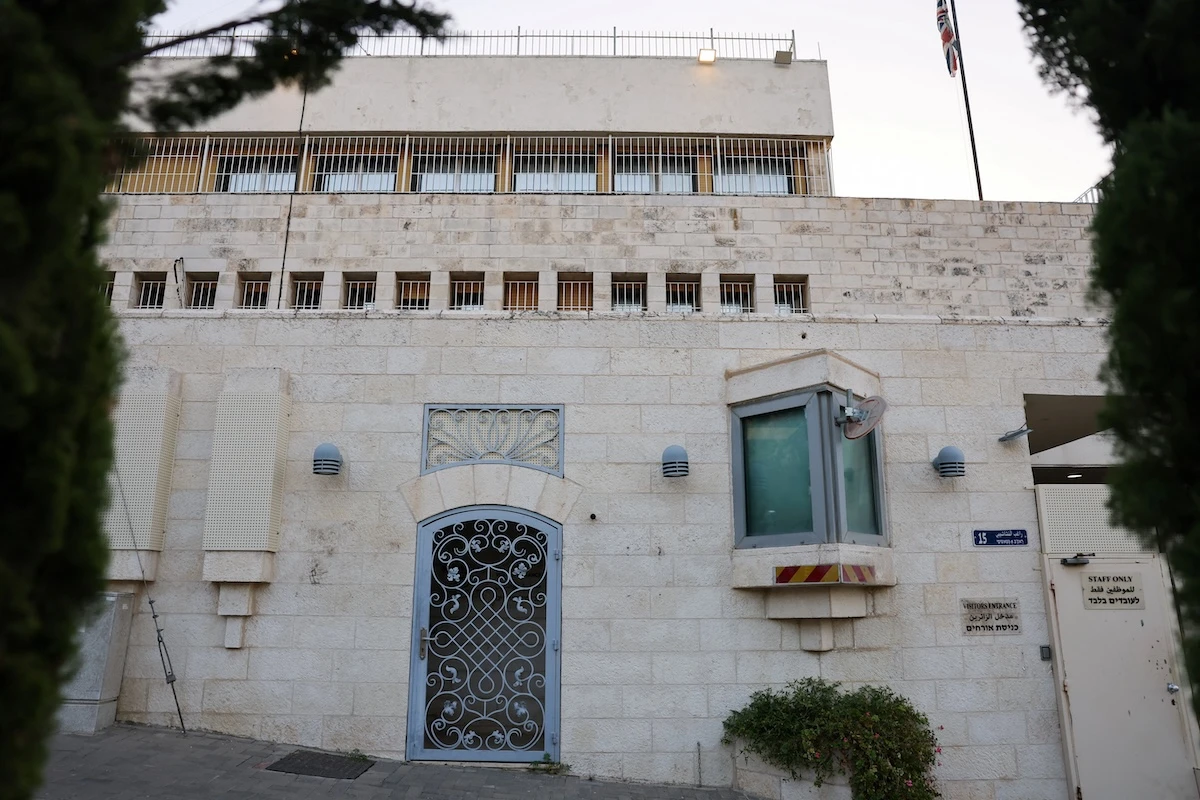
- Proposed package includes 40,000 2,000-pound bombs amid continuing concerns over civilian harm in Gaza
- Israel maintains its military targets Hamas and takes measures to mitigate civilian casualties during operations
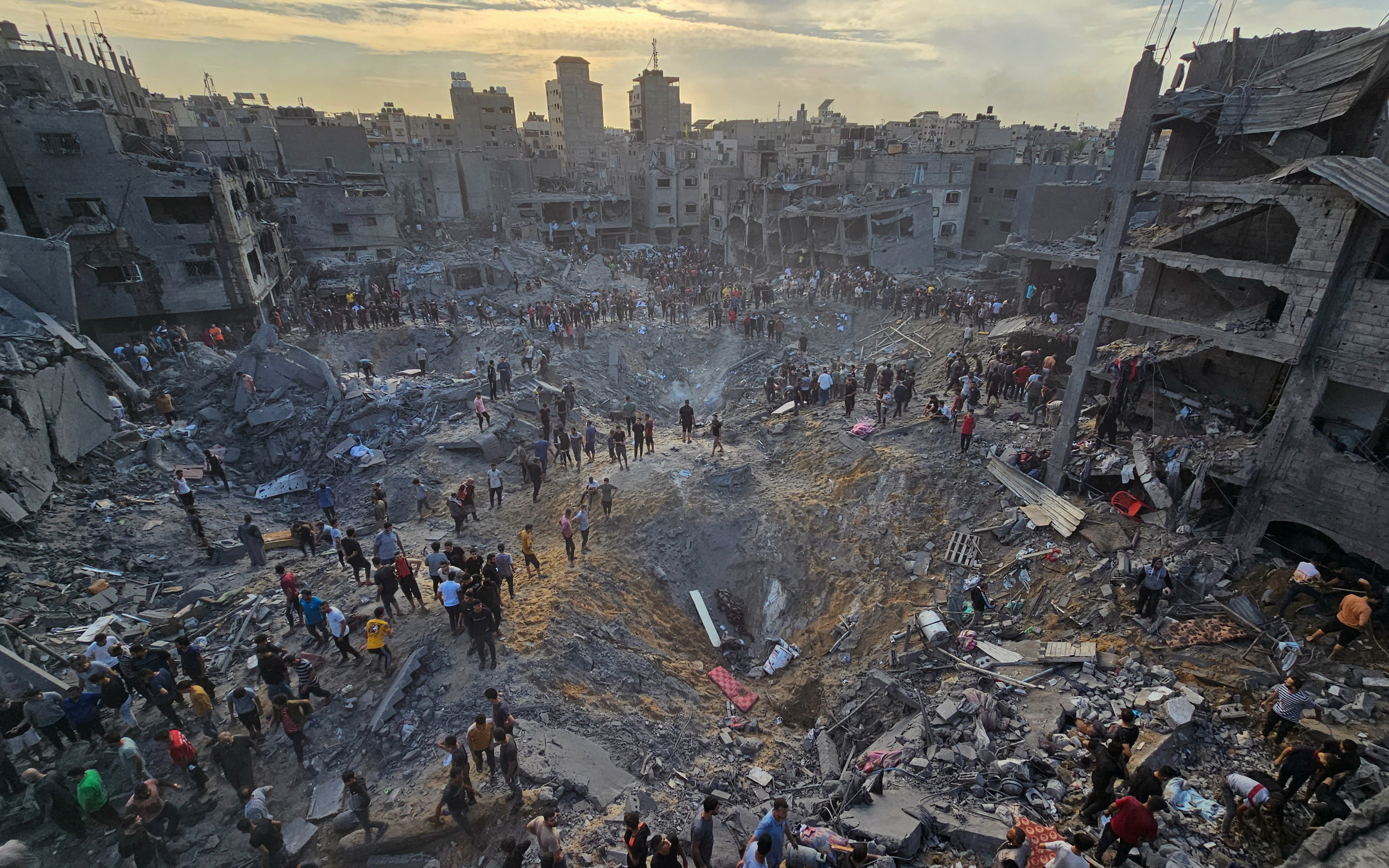
LONDON: On Oct. 31, 2023, Israeli aircraft dropped at least two 2,000-pound bombs on the densely populated Jabaliya refugee camp just north of Gaza City, according to a New York Times analysis of imagery and expert assessments.
The Israeli military said at the time that the strike targeted a Hamas commander and other fighters, along with underground infrastructure beneath the camp. The effect was devastating, according to Gaza hospital officials, with hundreds wounded and massive craters where residential buildings had stood.
The use of such weapons in Gaza, and the terrible civilian casualties they have caused, has drawn international condemnation from governments and human rights groups alike.
But now, even as President Donald Trump’s Board of Peace is struggling to reboot a Gaza peace process bogged down in mutual mistrust, it has emerged that the US is preparing a proposed sale of tens of thousands of 2,000-pound bombs to Israel.
“The proposed sale will inevitably be controversial, both within the United States and among European allies, given the scale of destruction and civilian suffering in Gaza,” said Burcu Ozcelik, senior research fellow for Middle East security at RUSI.
But, she added, “despite periodic tensions between President Trump and Netanyahu, US military support for Israel rests on a longstanding and deeply institutionalized security commitment that continues largely uninterrupted.”
The news was reported on Tuesday by the Washington Post, citing an unnamed US official. Analysts say the scale of the proposed sale, worth $2.8 billion, is extraordinary.
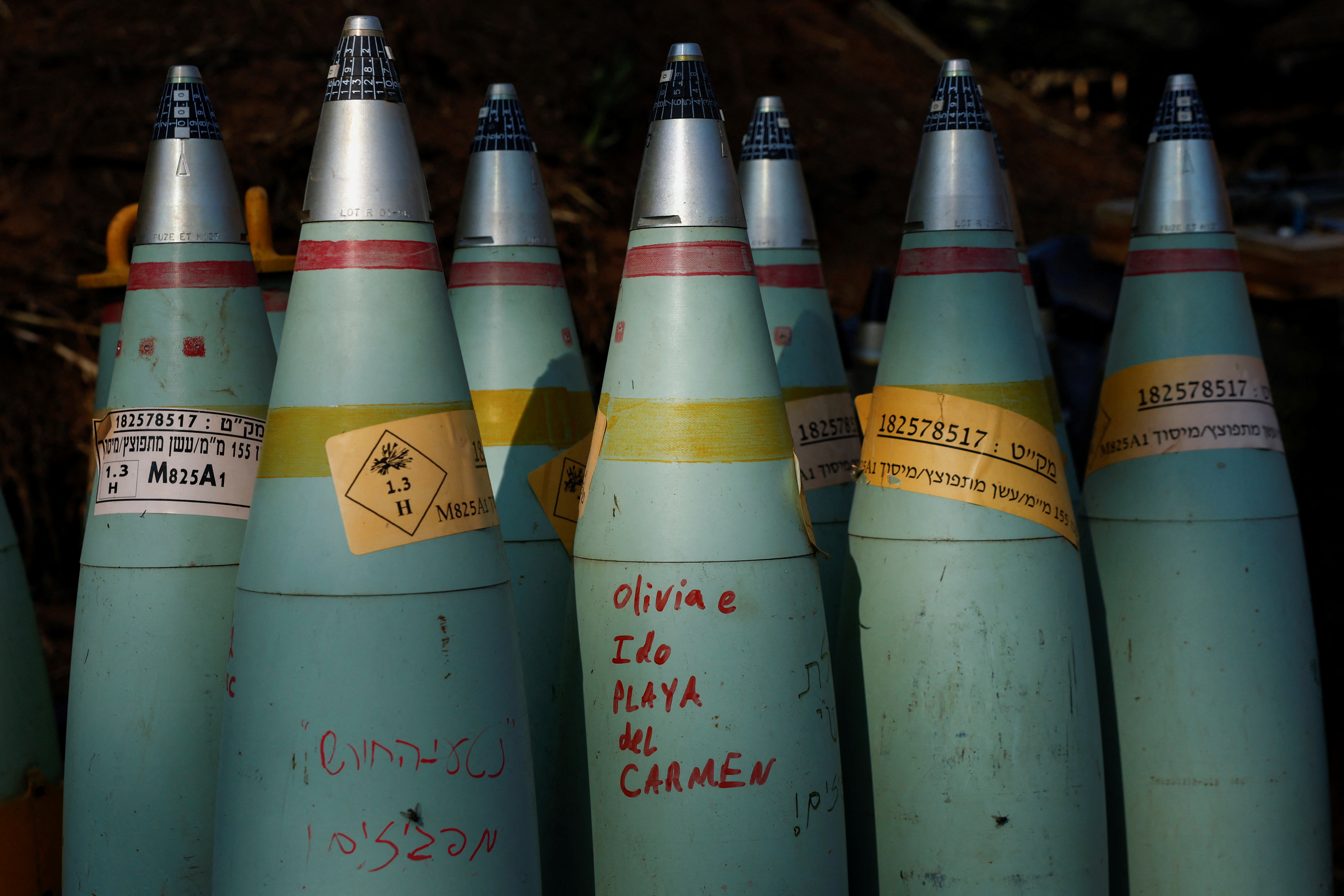
According to the reporting, the proposed package includes 40,000 2,000-pound-class bombs — 20,000 MK-84 and 20,000 BLU-117 bomb bodies — plus 20,000 I-2000 penetrator warheads.
The BLU-117 is a thermally protected variant of the MK-84 designed to make it safer for naval storage. Both are 2,000-pound-class bombs. The MK-84 was known to US pilots during the 1990-91 Gulf War as “The Hammer.”
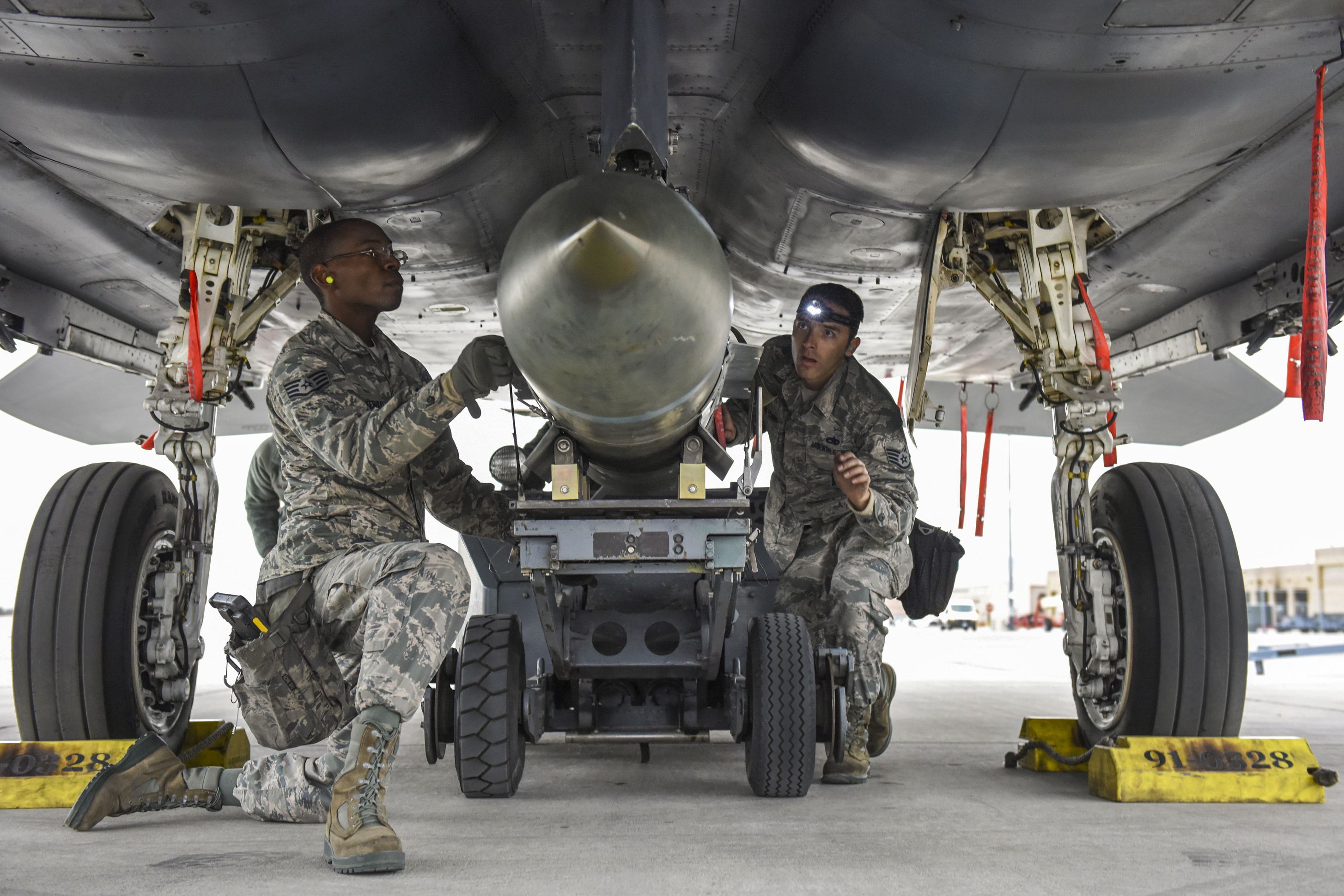
According to the Department of Defense, it “is designed for soft and intermediately protected targets. “The destruction mechanism for this weapon is blast and fragmentation. Ideal targets for this weapon are buildings, rail yards, and lines of communication.”
Amnesty International, the human rights organization, told Arab News that “if confirmed, these reports are yet another slap in the face of international law and America’s human-rights obligations and send a clear message that despite Israel’s ongoing genocide in Gaza and unlawful attacks in Lebanon, the US is continuing to provide it with the material support and diplomatic cover, risking complicity with atrocity crimes.”
Amnesty, a spokesperson added, “has repeatedly called on the UN Security Council to impose a comprehensive arms embargo on Israel, and on third states, including the US, which is the biggest supplier of weapons to Israel, to stop selling or transferring arms to Israel because of the documented use of such weapons in gross violations of international law.”
The spokesperson said that continuing arms transfers also conflicted with restrictions under US law.
“Section 502B of the US Foreign Assistance Act, for instance, prohibits the US government from providing arms to foreign governments involved in consistent patterns of gross human rights violations, including violations of international law,” she said.
“The evidence is clear and overwhelming: Israel has already widely and systematically used US-made weapons to commit serious human rights violations, including possible war crimes, against Palestinians, in some instances wiping out entire families in Gaza.”
Section 502B generally prohibits security assistance to governments engaged in a consistent pattern of gross violations of internationally recognized human rights, subject to exceptions specified in the law.
Israel’s official position is that its military operations target Hamas and other armed groups, not civilians, and that the IDF takes measures to reduce civilian harm, including considering the weapons used and canceling attacks when expected civilian harm is judged excessive.
America is not selling these bombs to Israel. The proposed sale would reportedly be financed largely through US Foreign Military Financing grants, meaning American taxpayers would fund most of the purchase. This operates under the Arms Export Control Act, which “authorizes the President to finance procurement of defense articles and services for foreign countries and international organizations.”
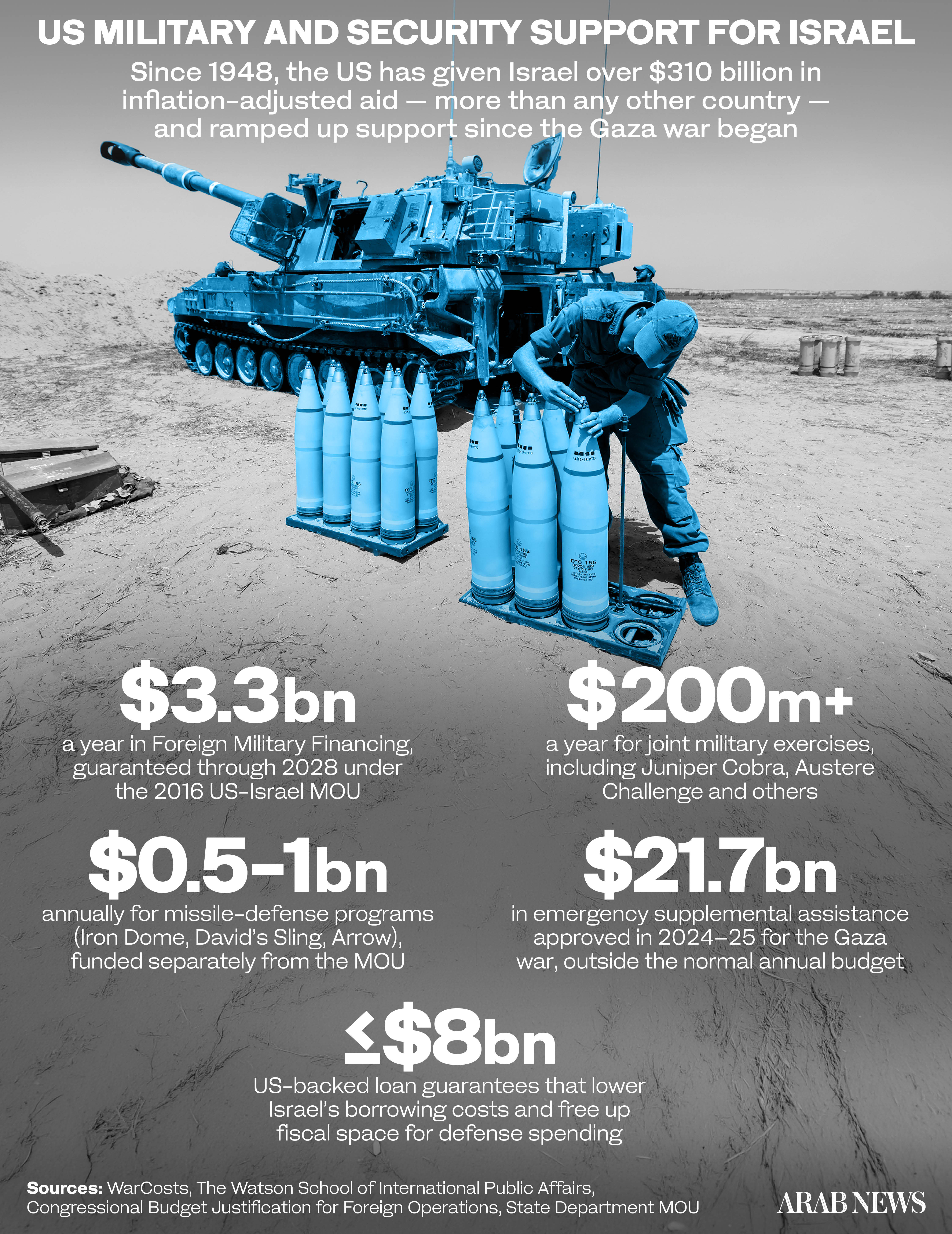
According to the Defense Security Cooperation Agency, part of the Defense Department, the secretary of state determines which countries are eligible to receive Foreign Military Financing, and the secretary of defense issues specific grants under the system.
Politically, in America these weapons have a controversial history.
In May 2024, amid mounting concern over civilian casualties in Gaza, the Biden administration paused a shipment that included 2,000-pound bombs destined for Israel.
At the time, the US government feared Israel was about to launch a major ground operation in Rafah, where more than a million people had sought refuge. It was, said a US official at the time, “especially focused on the end-use of the 2,000-pound bombs and the impact they could have in dense urban settings as we have seen in other parts of Gaza.”
President Joe Biden had already described Israel’s bombing in Gaza as “indiscriminate,” but the US had nevertheless continued to supply vast amounts of ordnance.
The hold on the 2,000-pound bombs remained in place for about eight months, until Trump took office.
Within days of his inauguration on Jan. 20, 2025, President Trump lifted the hold.
“We released them today,” he said on board Air Force One on Jan. 25, “and they’ll have them ... they’ve been waiting for them for a long time. They’ve been in storage.”
The latest proposal would represent the largest single sale of 2,000-pound bombs to Israel in recent years, according to the Washington Post. Delivery of such orders can take years.
What is not clear is why the administration is pursuing the sale now, at a time when Trump’s Board of Peace is trying to overcome mutual suspicion between Hamas and Israel in the hopes of disarming the group and persuading Israel to withdraw.
“If the Trump administration’s goal is to calm things down in the Middle East, the timing of this is unusual,” Brian Finucane, a senior adviser at the International Crisis Group, told the Washington Post.
But Brian Katulis, a senior fellow at the Middle East Institute, specializing in US foreign policy and national security, says a stark reality lies behind the timing of the proposed sale.
The simple explanation, he told Arab News, is that “the wars of the Middle East are not over, and Israel continues to experience threats.
“The somewhat limited violence and war we have seen this past summer, compared to the bigger battles of the spring, may end up being a brief interlude.”
He added: “The inconclusive war against Iran has placed the broader region in a dangerous disequilibrium with many unresolved issues,” posing “real threats that could require America and its partners, such as Israel, to have the capacity to defend themselves.”
The context of the deal, Ozcelik told Arab News, “extends beyond Gaza: the ongoing confrontation with Iran, while the Houthis’ advances in Yemen and the threat they pose to Red Sea security, have added another volatile front.
“The possibility of wider regional escalation is therefore more than theoretical. The Trump administration will likely present the package as reinforcing Israel’s capacity to respond to this increasingly complex threat environment.
“But critics will question whether supplying such powerful munitions could itself intensify the risks.”
The timing of the deal could be an indication of “mounting Israeli pressure on the US as the Trump administration seeks a deal with Iran,” said Caroline Rose, a senior director at The Soufan Center, focused on security and defense.
“This could likely be the US assuaging Israel while it seeks a quick exit from its ongoing war with Iran, accounting for the likelihood of Israeli unilateral escalation in the region in the face of a deal.”
The proposed sale is not final. It has reportedly been informally notified to the Senate Foreign Relations Committee and the House Foreign Affairs Committee, a preliminary consultation distinct from the formal statutory congressional review process. Growing opposition to Trump’s war in Iran and his support for Israel, reflected in recent polls, could complicate its passage.
“Donald Trump is sending bombs paid for by American taxpayers to a government led by a wanted war criminal — all while the Netanyahu government continues to bomb Gaza and Lebanon, and block justice and accountability for Americans killed on its watch,” said Chris Van Hollen, the Democratic senator from Maryland, on Tuesday.
“This is not putting Americans first. We will work to stop it.”
The administration, said the ICG’s Finucane, “seems to be sending contradictory signals with this arms sale and rhetoric about calming hostilities in the region.”
But, he added, “there may be a calculation within the administration — and potentially in Israel — that a new Congress in 2027 in which the Democrats control one or both houses might be able to block the arms sale.”
The Trump administration has sidestepped congressional review on a similar transfer before. On Feb. 28, 2025, the State Department invoked emergency authority to bypass the normal congressional review period for a proposed $2.04 billion sale comprising 35,529 MK-84 or BLU-117 bomb bodies and 4,000 I-2000 penetrator warheads.
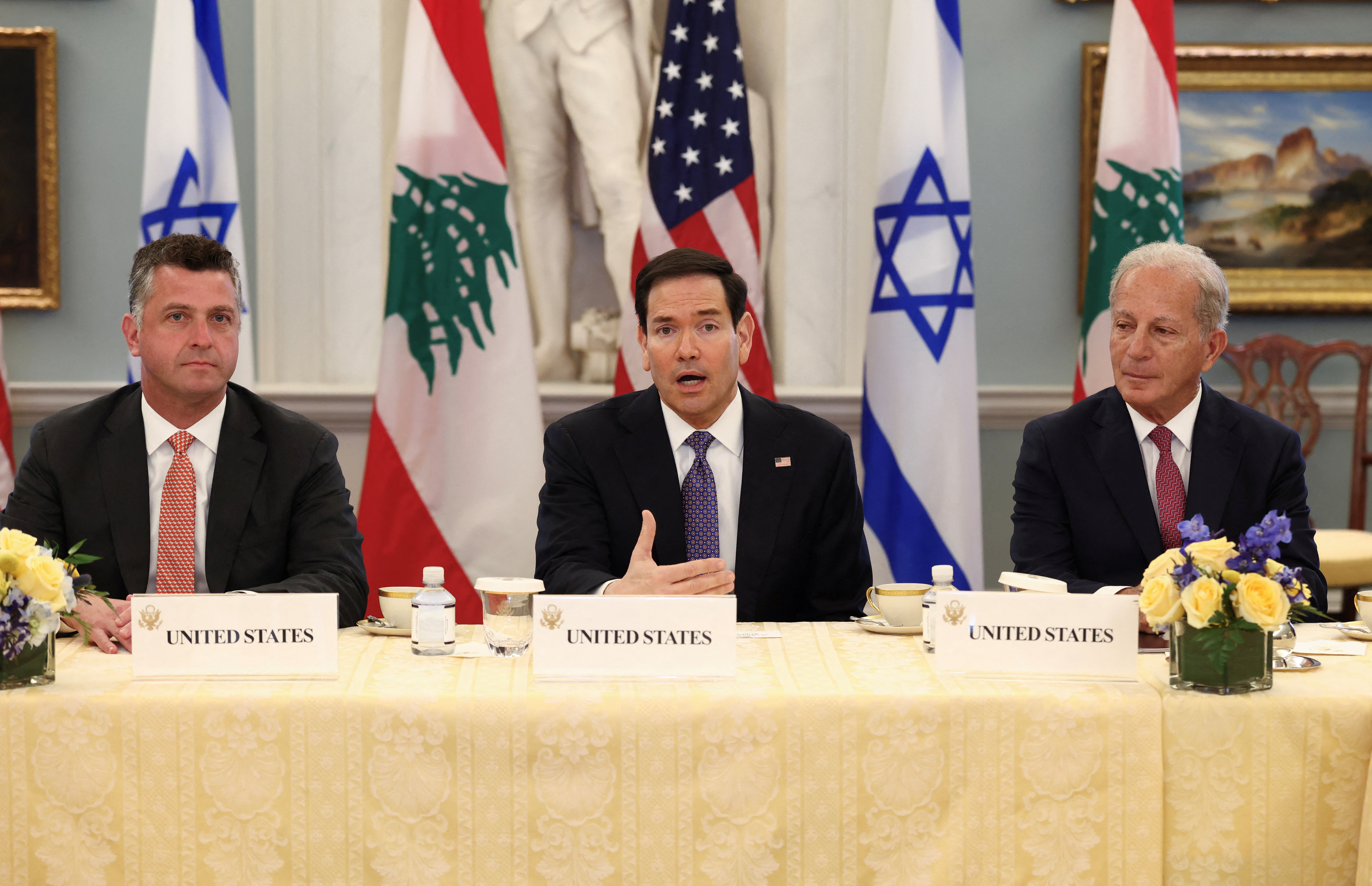
In a statement at the time, it said that Marco Rubio, the secretary of state, “has determined and provided detailed justification that an emergency exists that requires the immediate sale to the Government of Israel of the above defense articles and defense services in the national security interests of the United States, thereby waiving the Congressional review requirements.”
The timing of the proposed sale “could prove politically consequential” in Israel, said Ozcelik. The country’s parliamentary election is scheduled for Oct. 27.
“If the package is approved before Israel’s elections at the end of October, it may be interpreted, inside Israel as well as internationally, as a vote of confidence by Trump in Netanyahu,” she said.
“Whether or not that is Trump’s intention, Netanyahu can be expected to present it that way during his ongoing campaign.”
The use in built-up areas of weapons such as those included in the proposed sale has drawn international condemnation.
The Political Declaration on Strengthening the Protection of Civilians from the Humanitarian Consequences Arising from the Use of Explosive Weapons in Populated Areas was adopted in 2022. The UN Office for Disarmament Affairs currently lists 91 endorsements, including that of the US. Israel has not endorsed the declaration.
The nonbinding declaration highlighted the severe civilian harm caused by explosive weapons in populated areas and reaffirmed the prohibitions on indiscriminate and disproportionate attacks. It does not impose a general prohibition on explosive weapons, but calls for restricting or refraining from their use as appropriate when civilian harm may be expected.
The use of explosive weapons in populated areas, it added, “can have a devastating impact on civilians and civilian objects.
“Blast and fragmentation effects, and resulting debris, cause deaths and injuries, including lifelong disabilities.”
Beyond these direct effects, “civilian populations, particularly children, are exposed to severe and long-lasting indirect effects — often referred to as reverberating effects.”
The declaration explained that damage to or destruction of critical infrastructure, including energy, food, water and sanitation systems, disrupts the provision of basic needs and essential services such as healthcare and education.
It added: “The damage and destruction of housing, schools, hospitals, places of worship and cultural heritage sites further aggravates civilian suffering.”
Each endorsing state pledged to ensure that “our armed forces, including in their policies and practices, take into account the direct and indirect effects on civilians and civilian objects which can reasonably be foreseen in the planning of military operations and the execution of attacks in populated areas, and conduct damage assessments, to the degree feasible, and identify lessons learned.”